




Education today is not only about memorizing textbook answers. Schools and educators now focus on helping students understand ideas, apply logic, and develop deeper thinking abilities. One of the most important concepts behind meaningful learning is understanding how knowledge itself works.
Among different learning theories, Propositional Knowledge plays a major role in helping students organize facts, connect ideas, and explain concepts clearly. It forms the foundation of academic understanding in subjects such as science, mathematics, literature, and social studies.
Students who understand this learning approach often perform better in reasoning, communication, and problem-solving. Below are seven important facts every student, parent, and educator should know.
Table of Contents
ToggleWhat Is Propositional Knowledge?

Before exploring its importance, it is essential to understand the meaning of this concept.
Propositional knowledge refers to information or understanding that can be expressed in statements or facts. It is often described as “knowing that” something is true.
For example:
- Water boils at 100°C
- Earth revolves around the Sun
- Plants require sunlight for photosynthesis
These are factual statements that can be learned, explained, and verified.
Unlike practical learning, which focuses on “knowing how,” this form of learning focuses on understanding ideas and truths.
Why Propositional Knowledge Matters in Education
Modern classrooms rely heavily on structured understanding. Students are expected not only to remember facts but also to explain concepts logically and connect them with real-life situations.
This learning approach supports:
- Critical thinking
- Academic writing
- Logical reasoning
- Conceptual clarity
- Better classroom discussions
Without a strong factual foundation, advanced learning becomes difficult.
1. It Builds Strong Academic Foundations
Every subject begins with facts and concepts. Before students can solve complex problems, they must first understand core principles.
For instance:
In Science
Students must understand laws, formulas, and theories before performing experiments.
In Mathematics
Basic rules and formulas help students solve advanced equations.
In History
Knowing dates, events, and timelines helps learners analyze historical impact.
A clear understanding of academic concepts improves long-term learning outcomes and reduces confusion during higher studies.
2. It Improves Critical Thinking Skills
Students who understand factual relationships are better able to analyze information critically.
Instead of memorizing answers blindly, they begin asking questions such as:
- Why does this happen?
- How are these ideas connected?
- What evidence supports this statement?
This process encourages logical reasoning and independent thinking.
Critical thinking is now considered one of the most valuable skills in modern education because it prepares students for real-world decision-making.
3. It Supports Better Communication
Students often struggle to explain ideas clearly because they lack conceptual understanding.
When learners develop strong factual knowledge, they become more confident in:
- Writing assignments
- Classroom presentations
- Group discussions
- Debates and public speaking
They can explain concepts accurately and express opinions with supporting evidence.
This communication ability becomes especially important in higher education and professional careers.
4. It Enhances Memory and Retention
Understanding concepts deeply helps students remember information for longer periods.
Instead of temporary memorization, learners create meaningful mental connections between ideas. This improves:
- Recall during examinations
- Long-term understanding
- Concept application
- Faster learning in advanced topics
Students who understand concepts usually need less repetitive memorization compared to those who only rely on rote learning.
5. Propositional Knowledge Helps in Problem Solving
Problem-solving requires more than guessing answers. Students must understand facts, principles, and relationships before applying solutions.
For example:
In Mathematics
Students use formulas and logical rules to solve equations.
In Science
Understanding scientific theories helps explain observations and experiments.
In Social Studies
Knowledge of political systems helps analyze current events.
When students possess conceptual clarity, they become more confident while solving academic and real-world challenges.
6. It Connects Classroom Learning With Real Life
One major challenge in education is helping students see the practical value of what they learn.
Factual understanding allows students to connect classroom lessons with everyday situations.
Examples include:
- Using scientific knowledge to understand health and environment
- Applying financial concepts in budgeting
- Understanding geography through climate discussions
- Using historical knowledge to understand social change
This connection increases student engagement and improves learning motivation.
7. It Encourages Lifelong Learning
Students who develop a habit of understanding concepts rather than memorizing answers become lifelong learners.
They are more likely to:
- Explore new ideas independently
- Read beyond textbooks
- Ask meaningful questions
- Adapt to changing educational environments
In today’s rapidly changing world, the ability to learn continuously is more valuable than simply remembering information for exams.
Difference Between Factual and Practical Learning
Understanding the distinction between conceptual and practical learning is important for balanced education.
| Learning Type | Focus | Example |
|---|---|---|
| Factual Learning | Knowing facts and concepts | Understanding gravity |
| Practical Learning | Applying skills in action | Riding a bicycle |
Both learning styles are important. However, factual understanding usually comes first because it provides the knowledge base required for practical application.
How Schools Can Strengthen Conceptual Learning

Educational institutions can improve student understanding through modern teaching strategies.
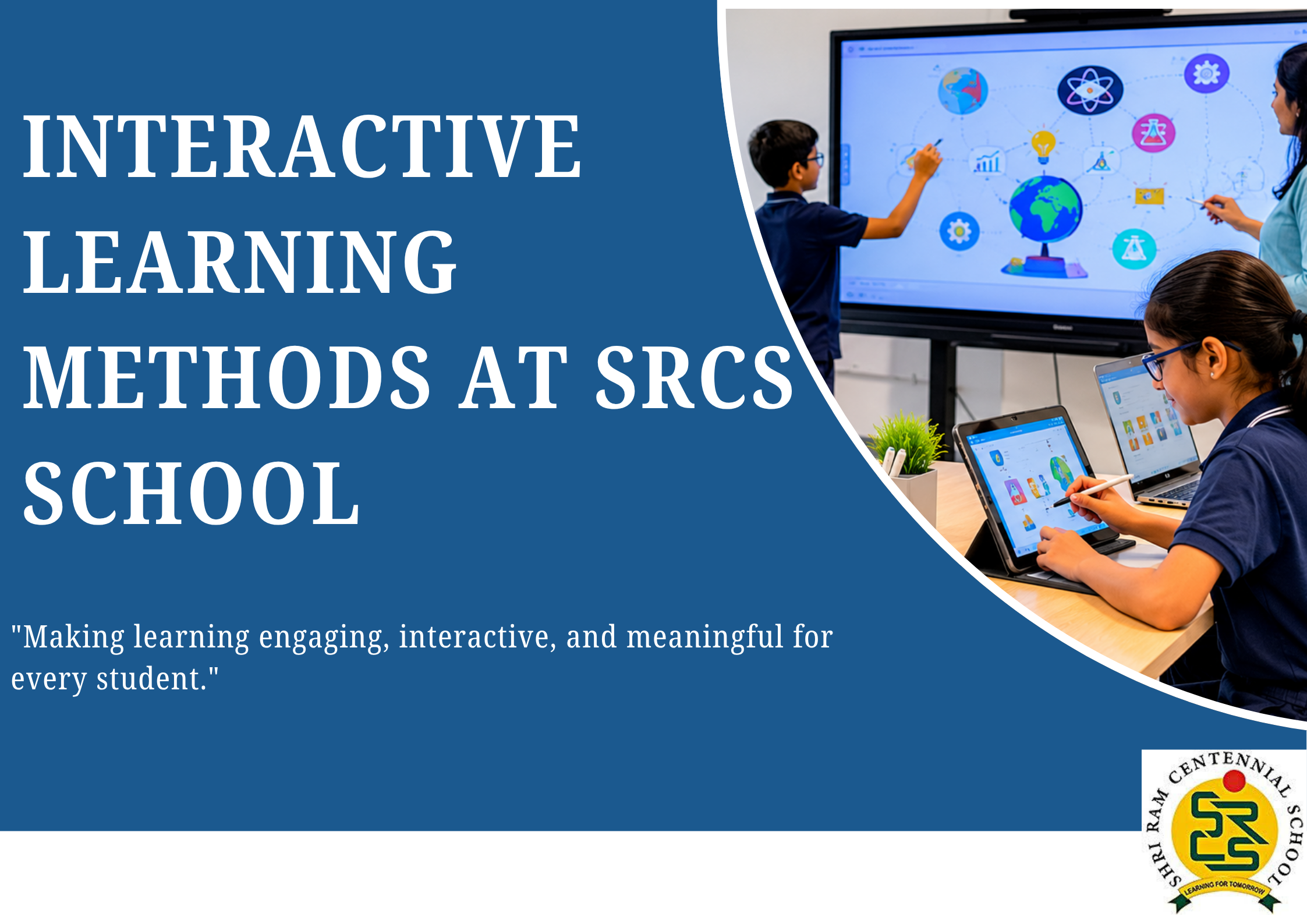
Interactive Teaching Methods
Teachers can use:
- Visual presentations
- Real-life examples
- Classroom discussions
- Case studies
- Concept maps
These methods improve engagement and understanding.
Encouraging Questions
Students should feel comfortable asking questions and discussing ideas openly. Curiosity leads to stronger learning outcomes.
Activity-Based Learning
Projects, experiments, and collaborative activities help students apply factual understanding in meaningful ways.
Technology Integration
Digital learning tools, educational videos, and smart classrooms make concepts easier to understand and remember.
Common Challenges Students Face
Although factual understanding is important, some students struggle because of:
- Excessive rote learning
- Lack of conceptual clarity
- Limited classroom interaction
- Exam-focused teaching methods
Educators can overcome these challenges by focusing on understanding instead of memorization alone.
The Future of Learning in Modern Education

Education systems around the world are shifting toward deeper understanding and skill-based learning.
Today’s students are expected to:
- Analyze information
- Solve problems creatively
- Think independently
- Communicate effectively
Conceptual understanding will continue to play a central role in preparing students for future academic and career success.
Schools that combine factual learning with creativity, collaboration, and practical application often create stronger educational outcomes.
Conclusion
Modern education is evolving beyond traditional memorization methods. Students today need strong conceptual understanding to succeed academically and personally. By developing logical thinking, communication abilities, and deeper understanding, learners become more confident and capable in every stage of education. A balanced learning approach helps students prepare for future challenges while encouraging curiosity, independent thinking, and lifelong learning habits.
FREQUENTLY ASKED QUESTIONS
Q1. What is Propositional Knowledge in simple words?
Ans: Propositional Knowledge refers to factual understanding or “knowing that” something is true. It includes concepts, theories, and information students learn in subjects like science, mathematics, and history.
Q2. Why is Propositional Knowledge important for students?
Ans: It helps students build strong academic foundations, improve critical thinking, solve problems logically, and understand concepts more clearly instead of relying only on memorization.
Q3. How is Propositional Knowledge different from practical knowledge?
Ans: Propositional Knowledge focuses on facts and concepts, while practical knowledge focuses on skills and actions. For example, knowing traffic rules is factual learning, while driving a car is practical learning.
Q4. How can teachers improve conceptual understanding in classrooms?
Ans: Teachers’ can use interactive teaching methods such as discussions, real-life examples, visual learning tools, projects, and activity-based learning to improve student understanding.
Q5. Does Propositional Knowledge help in real life?
Ans: Yes, it helps students apply classroom learning to real-world situations, make informed decisions, communicate ideas clearly, and develop lifelong learning habits.