


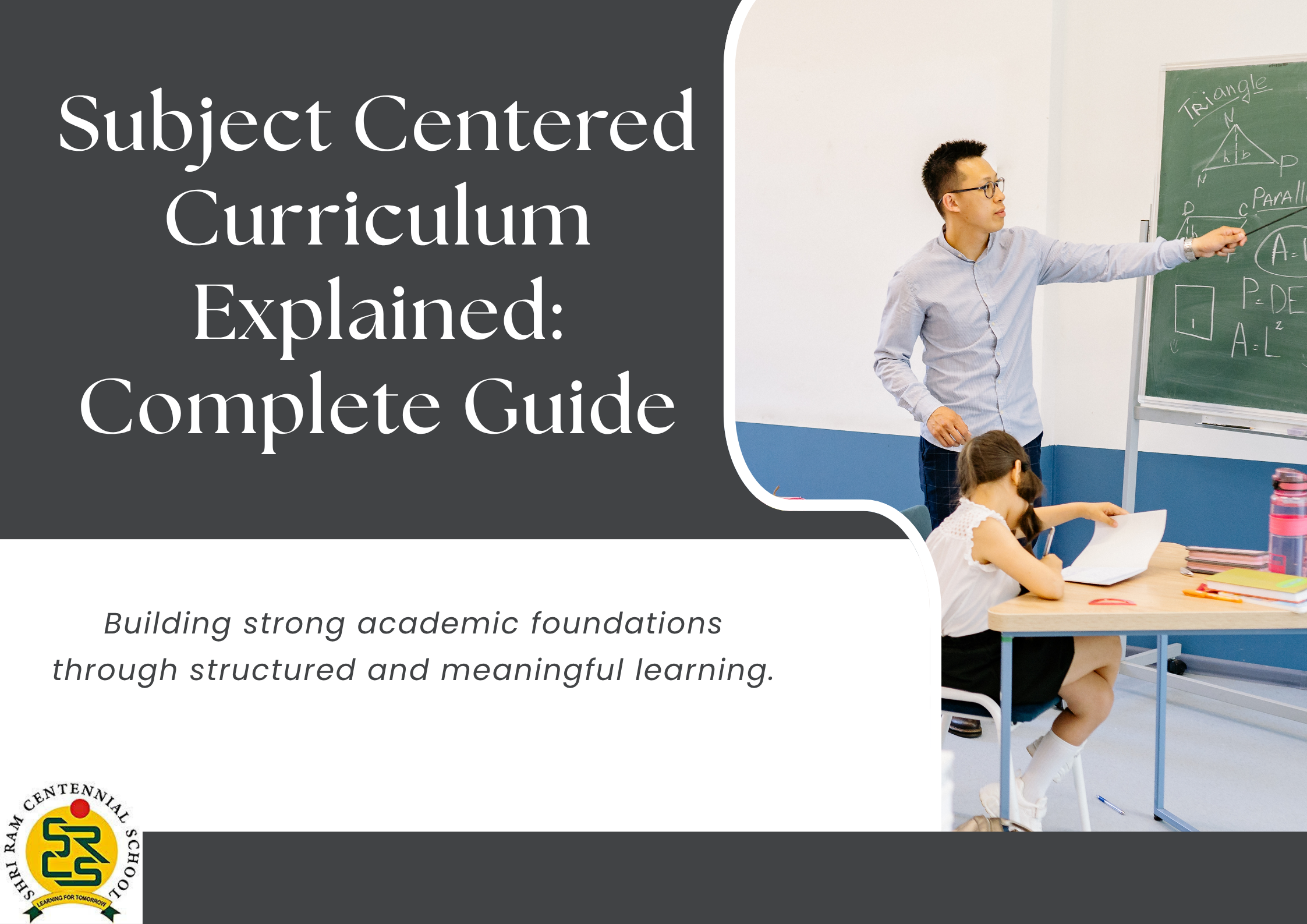
Education systems around the world use different teaching models to help students gain knowledge and skills. Among the oldest and most widely followed approaches is the subject centered curriculum. It focuses on organizing education around specific academic subjects such as mathematics, science, history, and languages.
This curriculum model has shaped traditional schooling for decades and continues to influence modern classrooms. Parents, teachers, and students often hear the term but may not fully understand how it works or why schools still prefer it.
This guide explains the meaning, structure, advantages, disadvantages, and importance of this educational approach in simple language.
Table of Contents
ToggleWhat Is a Subject Centered Curriculum?

A subject centered curriculum is a teaching approach where education is divided into separate subjects. Each subject is taught independently with its own syllabus, textbooks, classroom activities, and assessments.
The main goal is to provide students with strong academic knowledge in specific disciplines. Teachers act as subject experts and guide learners through structured lessons.
In most schools, the daily timetable reflects this format:
- Mathematics period
- Science period
- English language period
- Social studies period
- Computer studies period
This structure allows students to study one discipline at a time and gradually build subject knowledge step by step.
Key Features of Subject Centered Curriculum
Organized Around Academic Subjects
The curriculum is divided into clearly defined disciplines. Every subject has its own learning objectives and evaluation methods.
Teacher-Led Instruction
Teachers play the central role in delivering lessons, explaining concepts, and assessing progress.
Standardized Learning
Students in the same grade often learn the same topics at the same pace.
Focus on Knowledge Development
The approach emphasizes theoretical understanding, factual learning, and academic performance.
Structured Assessment System
Examinations, quizzes, assignments, and tests are commonly used to measure student achievement.
Importance of Subject Centered Curriculum in Education

The subject centered curriculum remains popular because it creates a strong academic foundation. It helps students master essential subjects required for higher education and professional careers.
Schools prefer this model because it:
- Maintains discipline in learning
- Supports systematic teaching
- Simplifies lesson planning
- Allows specialized instruction
- Prepares students for standardized examinations
Many competitive exams and university entrance tests are also based on subject-specific knowledge, making this approach practical in many education systems.
Types of Subject Centered Curriculum
Subject Design Curriculum
This is the most common type where each subject is taught separately without integrating topics from other disciplines.
Discipline Design Curriculum
This model focuses deeply on specialized academic disciplines and encourages analytical thinking within each field.
Broad Field Curriculum
Related subjects are grouped together to create broader learning areas. For example:
- History, geography, and civics become social studies
- Physics, chemistry, and biology become science
This helps students connect concepts more effectively.
Correlation Design Curriculum
Teachers link ideas from different subjects while still teaching them separately. This encourages better understanding without completely merging disciplines.
Advantages of Subject Centered Curriculum
Strong Academic Foundation
Students gain detailed knowledge in individual subjects, which improves academic expertise.
Easy to Organize
Schools can easily design schedules, textbooks, and examinations using this structure.
Efficient for Large Classrooms
The model works well in schools with many students because teaching methods are standardized.
Subject Expertise
Teachers specialize in one field, improving the quality of instruction.
Clear Learning Objectives
Students understand what they are expected to learn in each subject.
Better Preparation for Higher Studies
Universities and professional courses often require strong subject knowledge, making this curriculum highly relevant.
Disadvantages of Subject Centered Curriculum
Limited Practical Learning
The approach sometimes focuses more on theory than real-world application.
Reduced Creativity
Students may rely heavily on memorization instead of critical thinking and innovation.
Less Flexibility
The rigid structure may not address different learning styles and student interests.
Minimal Interdisciplinary Connection
Subjects are often taught separately, making it difficult for learners to connect concepts across disciplines.
Student-Centered Learning Can Be Limited
In some classrooms, students become passive listeners instead of active participants.
Subject Centered Curriculum vs Learner Centered Curriculum
Teaching Approach
- Subject centered model focuses on academic content
- Learner centered model focuses on student needs and experiences
Classroom Role
- Teachers lead lessons in subject-based learning
- Students participate actively in learner-centered classrooms
Assessment Style
- Subject-based education depends heavily on tests and exams
- Learner-centered education includes projects, discussions, and practical work
Flexibility
- Traditional curriculum models are more structured
- Modern learner-focused systems are more adaptable
Both approaches have value, and many schools now combine elements from each to create balanced education systems.
Why Schools Still Use Subject Centered Curriculum
Even with the rise of digital learning and skill-based education, schools continue using this curriculum because it provides consistency and measurable academic outcomes.
Several reasons explain its continued popularity:
Reliable Academic Standards
Educational boards can maintain consistent learning expectations across schools.
Easier Evaluation
Standardized examinations become easier to design and manage.
Familiar Classroom Structure
Parents, teachers, and institutions are comfortable with subject-based learning systems.
Supports Competitive Education
Students preparing for professional careers often need strong subject specialization.
Role of Teachers in Subject Based Education
Teachers are the backbone of this curriculum model. Their responsibilities include:
- Delivering subject knowledge clearly
- Creating lesson plans
- Conducting classroom activities
- Assessing student performance
- Encouraging discipline and academic focus
An experienced teacher can make even traditional subject teaching interactive and engaging through discussions, technology, and practical examples.
How Modern Schools Improve Subject Centered Curriculum

Many schools are updating traditional teaching practices to make learning more engaging.
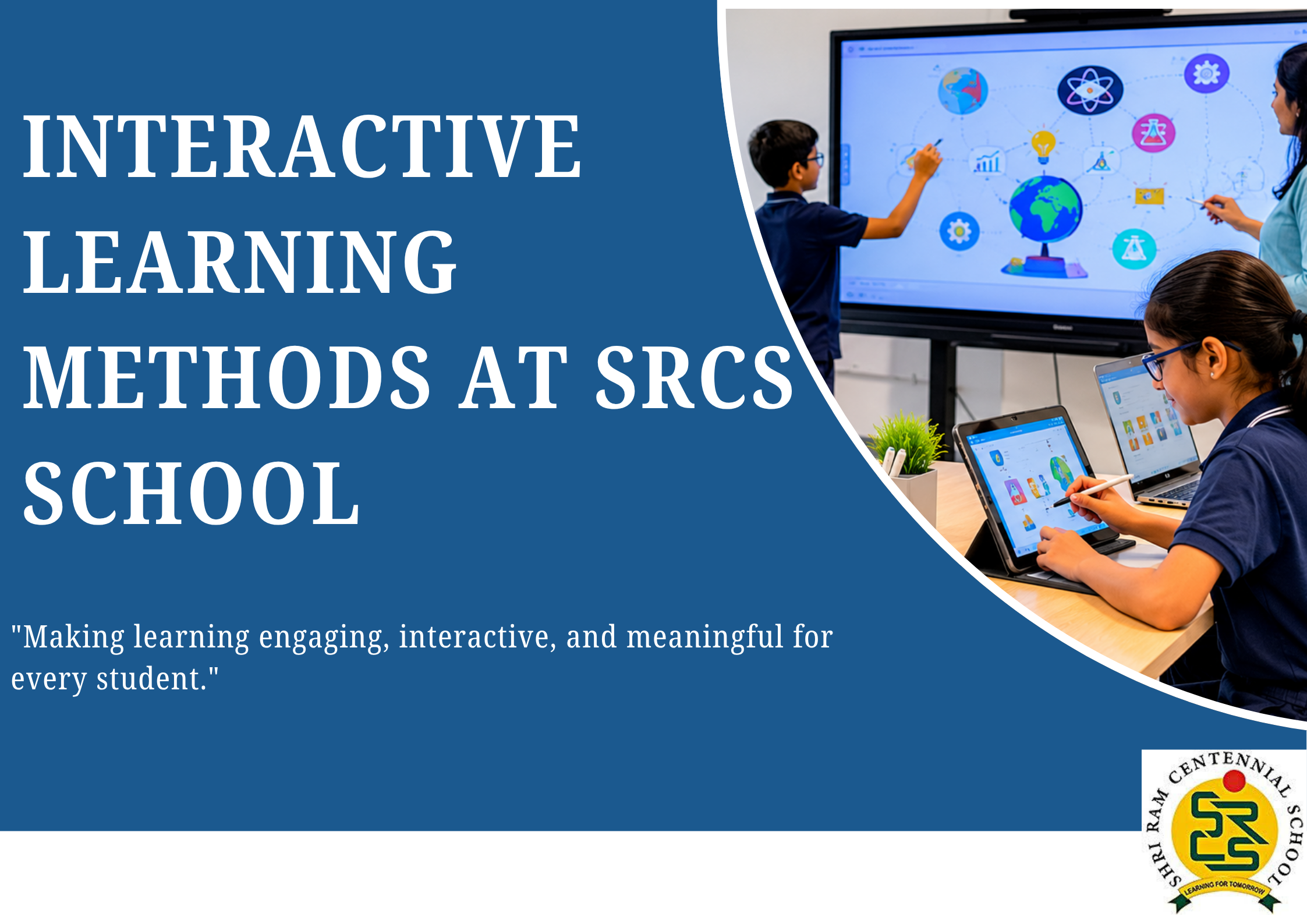
Smart Classroom Technology
Digital boards, videos, and simulations improve understanding.
Activity-Based Learning
Teachers combine projects and experiments with theoretical lessons.
Collaborative Learning
Group discussions and teamwork encourage participation.
Skill Integration
Communication, creativity, and problem-solving skills are added alongside academic learning.
Real-Life Applications
Teachers connect subject knowledge with practical situations to improve understanding.
These improvements help modernize the curriculum without removing its strong academic structure.
Is Subject Centered Curriculum Effective Today?
The effectiveness of this approach depends on how schools implement it. When combined with interactive teaching methods, it can still provide excellent educational outcomes.
It works particularly well for:
- Academic skill development
- Competitive exam preparation
- Structured classroom learning
- Building discipline in studies
- Higher education readiness
However, schools must also support creativity, emotional development, and practical skills to prepare students for modern careers and life challenges.
Challenges Faced by Schools
Although widely used, schools may encounter several challenges while following this curriculum model.
Balancing Theory and Practical Learning
Students need both conceptual understanding and real-world experience.
Managing Student Stress
Heavy academic focus can sometimes increase pressure on learners.
Adapting to Modern Needs
Schools must update teaching methods to match technological and career changes.
Encouraging Innovation
Traditional methods should evolve to support creativity and independent thinking.
Educational institutions that successfully balance academics with modern learning strategies often achieve the best results.
Future of Subject Centered Curriculum

The future of education is likely to combine traditional academic structure with flexible learning methods. Rather than disappearing completely, the subject centered curriculum is evolving.
Modern education systems are gradually integrating:
- Technology-based learning
- Interdisciplinary projects
- Experiential learning
- Communication skills
- Critical thinking activities
This balanced approach helps students gain both academic excellence and practical life skills.
Conclusion
The subject centered curriculum continues to play an important role in education because it provides organized, structured, and academically focused learning. It helps students build strong subject knowledge while preparing them for higher education and competitive careers. Although modern classrooms now encourage creativity and practical learning, this traditional approach still forms the foundation of many successful education systems. When combined with interactive teaching and skill development, it can create a balanced and effective learning experience for students of all ages.
FREQUENTLY ASKED QUESTIONS
Q1. What is a subject centered curriculum?
Ans: A subject centered curriculum is a teaching approach where education is organized around separate academic subjects like mathematics, science, history, and languages.
Q2. What are the main advantages of a subject centered curriculum?
Ans: It provides structured learning, strong academic knowledge, subject specialization, and better preparation for higher education and competitive exams.
Q3. How is subject centered curriculum different from learner centered curriculum?
Ans: Subject centered curriculum focuses mainly on academic content and teacher-led instruction, while learner centered curriculum focuses on student interests, participation, and experiences.
Q4. Why do schools still use subject centered curriculum?
Ans: Schools use it because it maintains academic standards, supports organized teaching, and makes assessments and examinations easier to manage.
5. Is subject centered curriculum effective in modern education?
Ans: Yes, it remains effective when combined with interactive teaching methods, practical learning activities, and skill-based education approaches.