


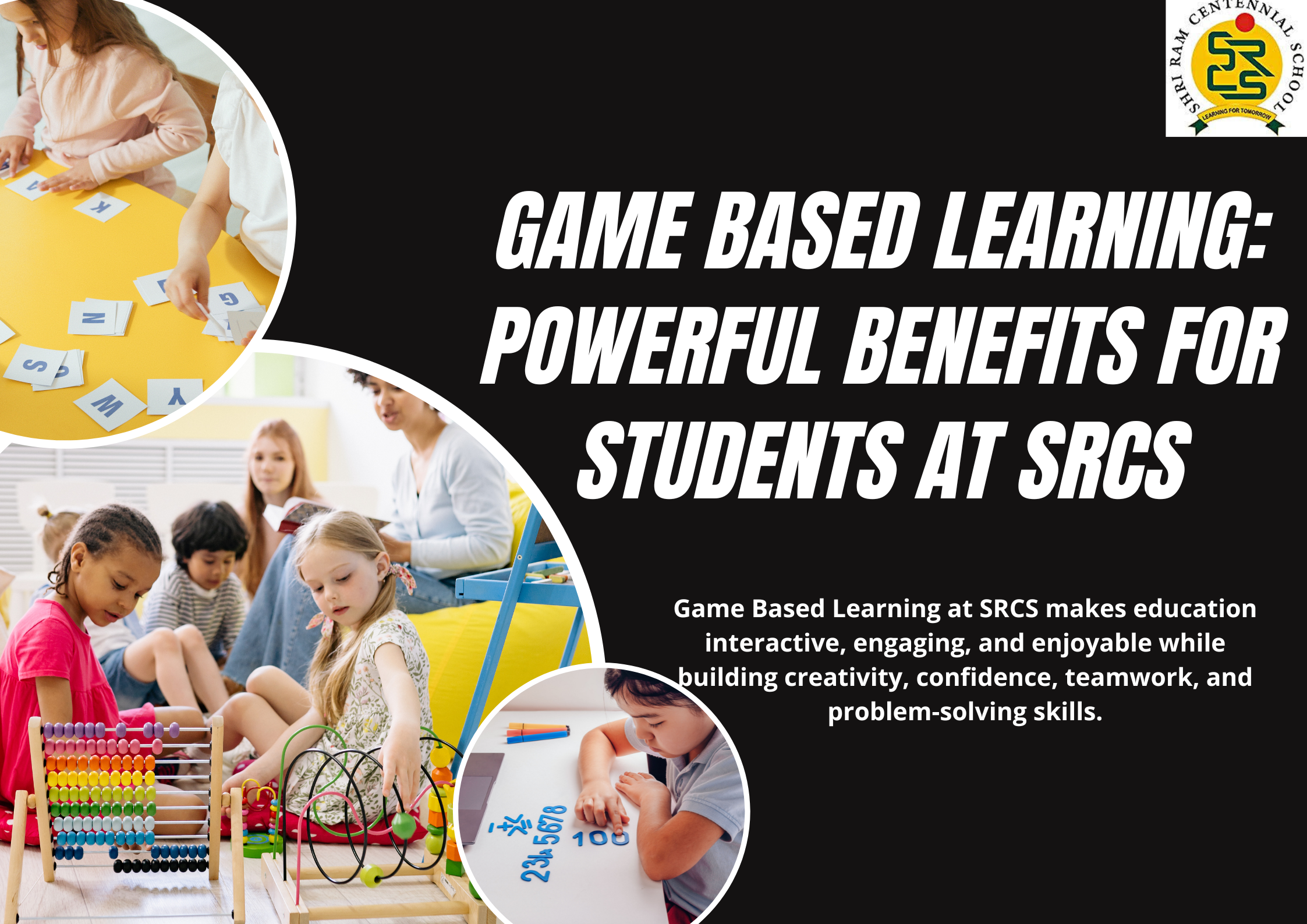
Every child learns differently. Some absorb knowledge through reading, others through listening — but almost every child learns best when they are having fun. That simple truth is what makes Game Based Learning one of the most exciting and effective approaches in modern education.
At SRCS School, this approach is not just a trend. It is a core part of how students grow, think, and thrive every single day.
What Is Game Based Learning?

Game Based Learning (GBL) is an educational method that uses games — digital or physical — as tools for teaching specific skills and concepts. It is not about playing games for the sake of fun alone. It is about designing learning experiences where the act of playing is the act of learning.
From solving math puzzles to roleplaying historical events, GBL turns passive learners into active participants.
How It Differs from Traditional Teaching
In a traditional classroom, a teacher delivers information and students receive it. Game Based Learning flips this model. Students make decisions, face challenges, and learn from outcomes — just like in real life.
This shift from passive to active learning makes a measurable difference in retention, motivation, and confidence.
Why SRCS School Embraces Game Based Learning
SRCS School has always believed that education should connect with the whole child — not just their ability to memorize facts. Located among the best Boarding Schools in Uttarakhand, SRCS provides an environment where innovation in teaching is encouraged and celebrated.
The school’s educators are trained to blend curriculum goals with game-based methods that are age-appropriate, curriculum-aligned, and genuinely enjoyable.
A Learning Environment Built for Exploration
The campus at SRCS is designed to support active learning. Open spaces, collaborative classrooms, and dedicated activity zones give students the room to engage physically and mentally with what they are learning.
This environment amplifies the impact of game-based strategies by giving them real space to come alive.
Powerful Benefits of Game Based Learning for Students
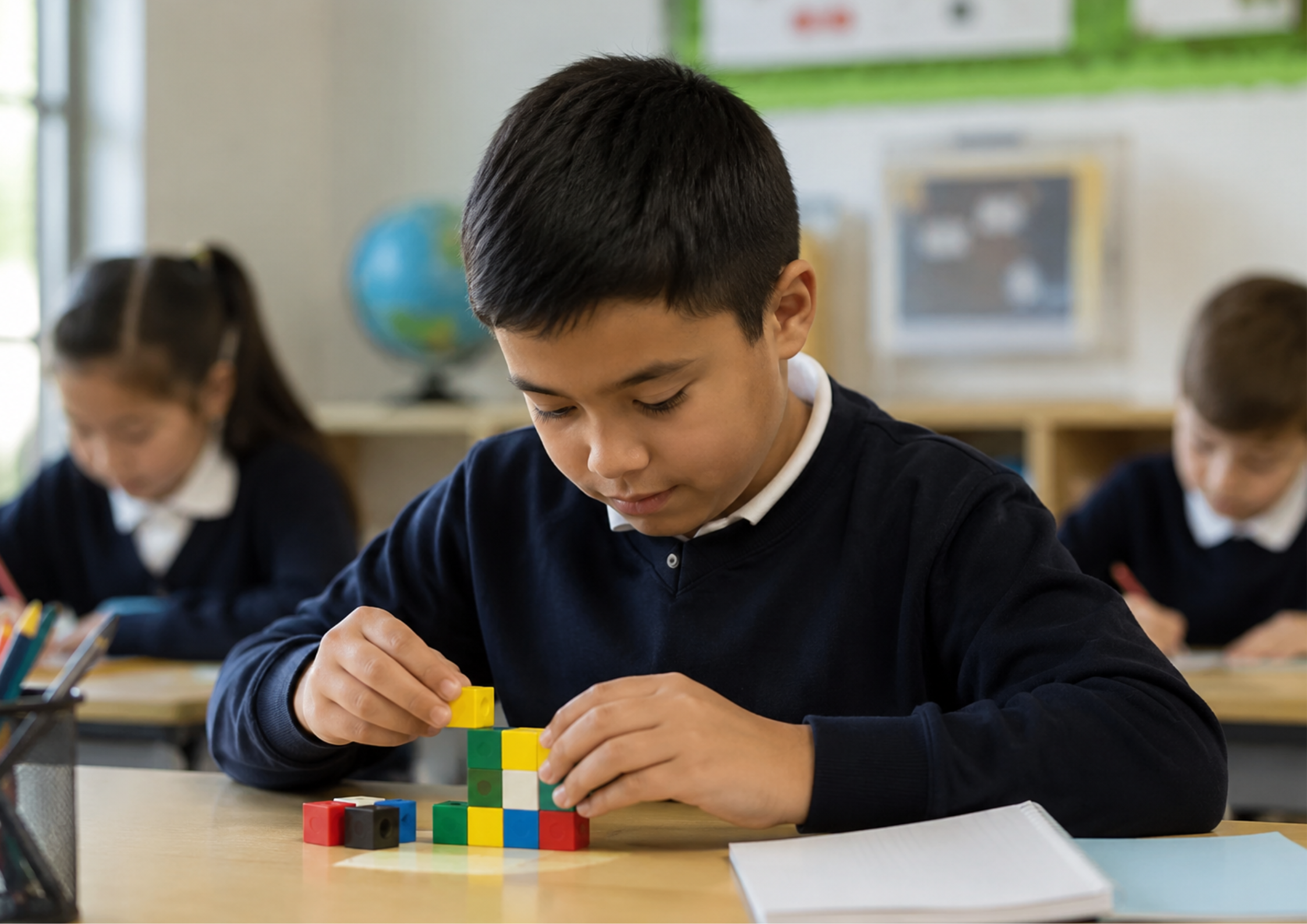
The benefits of this method go far beyond entertainment. Here is what students at SRCS experience when learning through games:
1. Deeper Understanding of Concepts
When a student plays a game that teaches fractions or grammar, they apply the concept repeatedly in different contexts. This repetition without boredom is one of GBL’s greatest strengths.
Research consistently shows that students retain information longer when they engage with it through gameplay rather than rote memorization.
2. Stronger Problem-Solving Skills
Games, by nature, present challenges. A student must think critically, try different approaches, and adapt when something does not work. Over time, this builds a resilient, solution-focused mindset that serves them well beyond the classroom.
3. Increased Motivation and Engagement
One of the biggest challenges in education is keeping students motivated. Game Based Learning naturally drives engagement because:
- Students feel a sense of progress and achievement
- Challenges feel manageable and rewarding
- Immediate feedback keeps them focused
- Collaboration adds a social element to learning
At SRCS, teachers have observed a clear improvement in classroom participation since integrating game-based strategies into their teaching plans.
4. Social and Emotional Development
Many game-based activities are collaborative. Students work in teams, negotiate roles, share responsibilities, and celebrate group wins. This builds:
- Communication skills
- Empathy and teamwork
- Leadership and decision-making
- Emotional regulation when facing in-game setbacks
These are life skills that no textbook alone can teach effectively.
5. Better Performance in Assessments
Students who learn through games often perform better in formal assessments. Why? Because they have practised applying knowledge rather than just recalling it. The cognitive pathways formed during gameplay are deeper and more connected.
How SRCS Integrates Game Based Learning Across Subjects
Game Based Learning at SRCS is not limited to one subject or age group. It runs across the curriculum:
Mathematics: Strategy games, number puzzles, and interactive quizzes that make abstract concepts concrete.
Language Arts: Word-building games, storytelling challenges, and creative roleplay that develop reading and writing skills naturally.
Science: Simulation-based activities where students experiment with cause and effect in a risk-free environment.
Social Studies: Roleplay scenarios that help students understand history, geography, and civic values from the inside out.
Life Skills: Team-based challenges that teach responsibility, planning, and cooperation.
The Role of Teachers in a Game Based Classroom
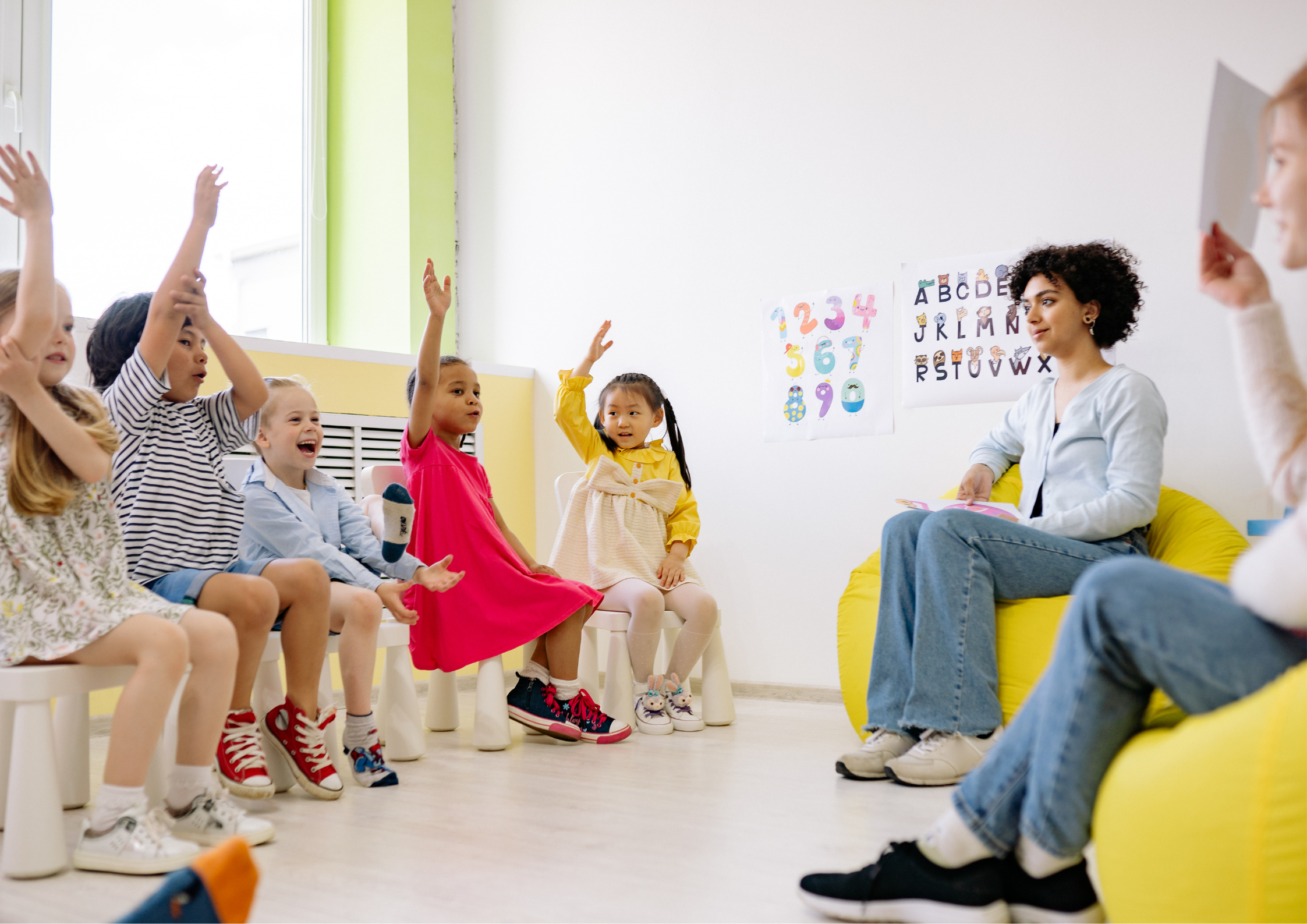
A common misconception is that GBL reduces the teacher’s role. In reality, it elevates it.
At SRCS, teachers act as facilitators and guides. They design the learning experience, observe how students engage, and step in with targeted support where needed. They ask the right questions, challenge assumptions, and help students connect gameplay to real-world meaning.
This requires a high level of skill and preparation — something SRCS educators are trained and committed to delivering.
What Parents Often Ask About Game Based Learning
Is Screen Time a Concern?
Not all Game Based Learning involves screens. At SRCS, a healthy balance is maintained between digital and non-digital game activities. Board games, physical challenges, and collaborative projects make up a significant portion of the GBL experience.
When digital tools are used, they are chosen carefully for their educational value and used in moderated, structured settings.
Will My Child Still Learn Core Academics?
Absolutely. Game Based Learning at SRCS is always tied to curriculum standards. Every activity has a clear learning objective. The game is the vehicle — the destination is always academic and developmental progress.
Parents regularly note that their children come home excited to talk about what they learned, which is perhaps the strongest sign that something is working.
Game Based Learning and the Bigger Picture at SRCS
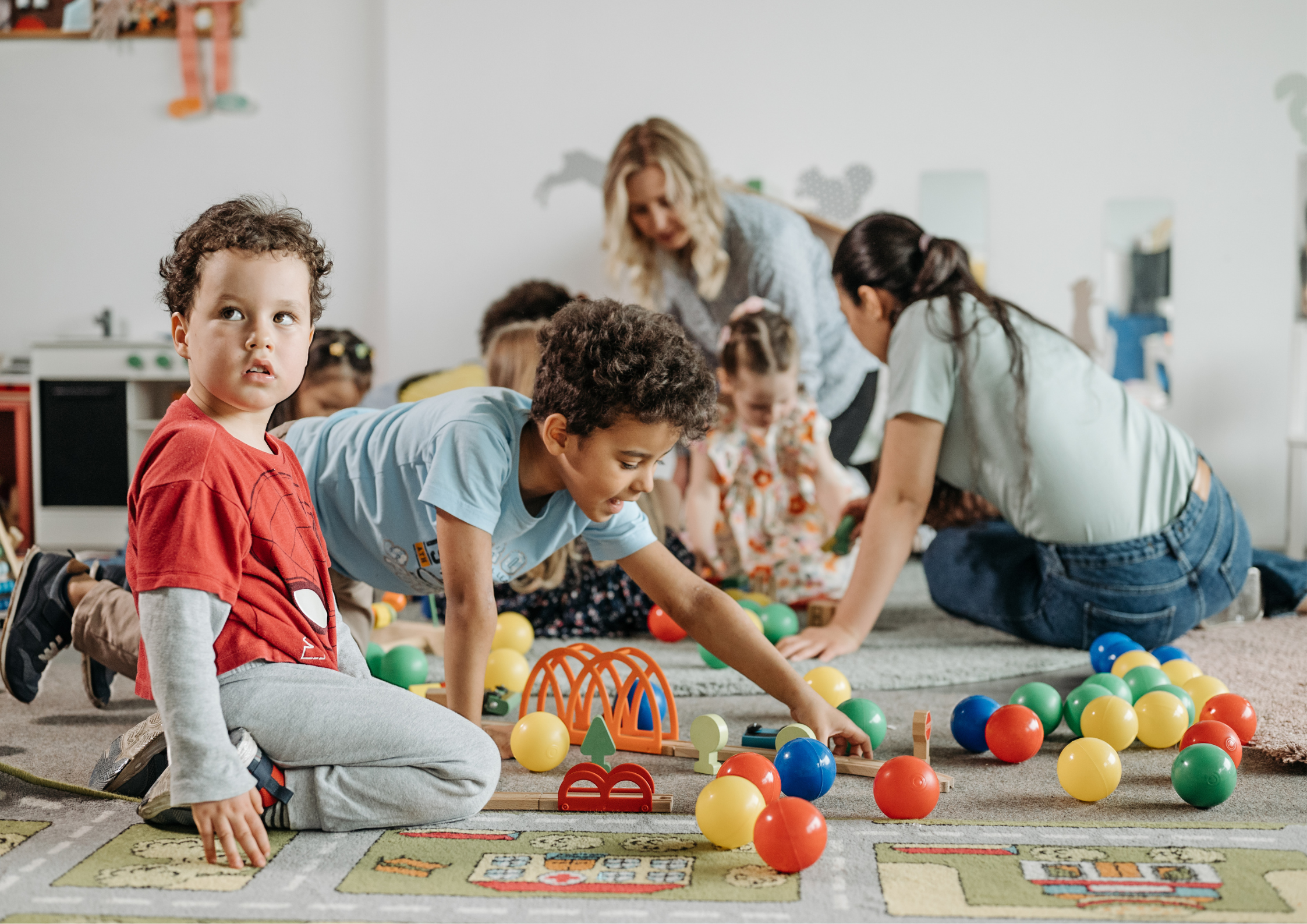
Education is evolving. The world students will enter as adults values creativity, adaptability, collaboration, and critical thinking above all else. Game Based Learning is not a shortcut — it is a forward-thinking investment in the kind of education that actually prepares children for life.
At SRCS School, every child is seen as a capable, curious learner. Game-based methods honor that belief by creating space for discovery, growth, and genuine joy in learning.
Final Thoughts
If you are looking for a school where your child will not just be taught but truly inspired — SRCS School offers an education that meets students where they are and takes them further than they imagined.
Game Based Learning is one of the many reasons why families trust SRCS with their children’s futures. It is bold, it is proven, and it works.
To learn more about admissions and the SRCS learning approach, visit the official school website or reach out to the admissions team directly.
FAQs
Q1. What is Game Based Learning?
Ans: Game Based Learning is a teaching method that uses educational games and interactive activities to help students understand concepts, develop skills, and make learning more engaging.
Q2. How does Game Based Learning benefit students?
Ans: Game Based Learning improves student engagement, critical thinking, problem-solving abilities, creativity, teamwork, and knowledge retention while making lessons more enjoyable.
Q3. How is Game Based Learning used at SRCS School?
Ans: At SRCS School, teachers incorporate educational games, interactive challenges, and collaborative activities into lessons to encourage active participation and deeper understanding.
Q4. Does Game Based Learning improve academic performance?
Ans: Yes, Game Based Learning helps students understand concepts more effectively, stay motivated, and retain information longer, which can contribute to improved academic outcomes.
Q5. Why do parents appreciate Game Based Learning at SRCS School?
Ans: Parents value Game Based Learning because it combines education with engagement, helping students build confidence, communication skills, leadership qualities, and a positive attitude toward learning.