


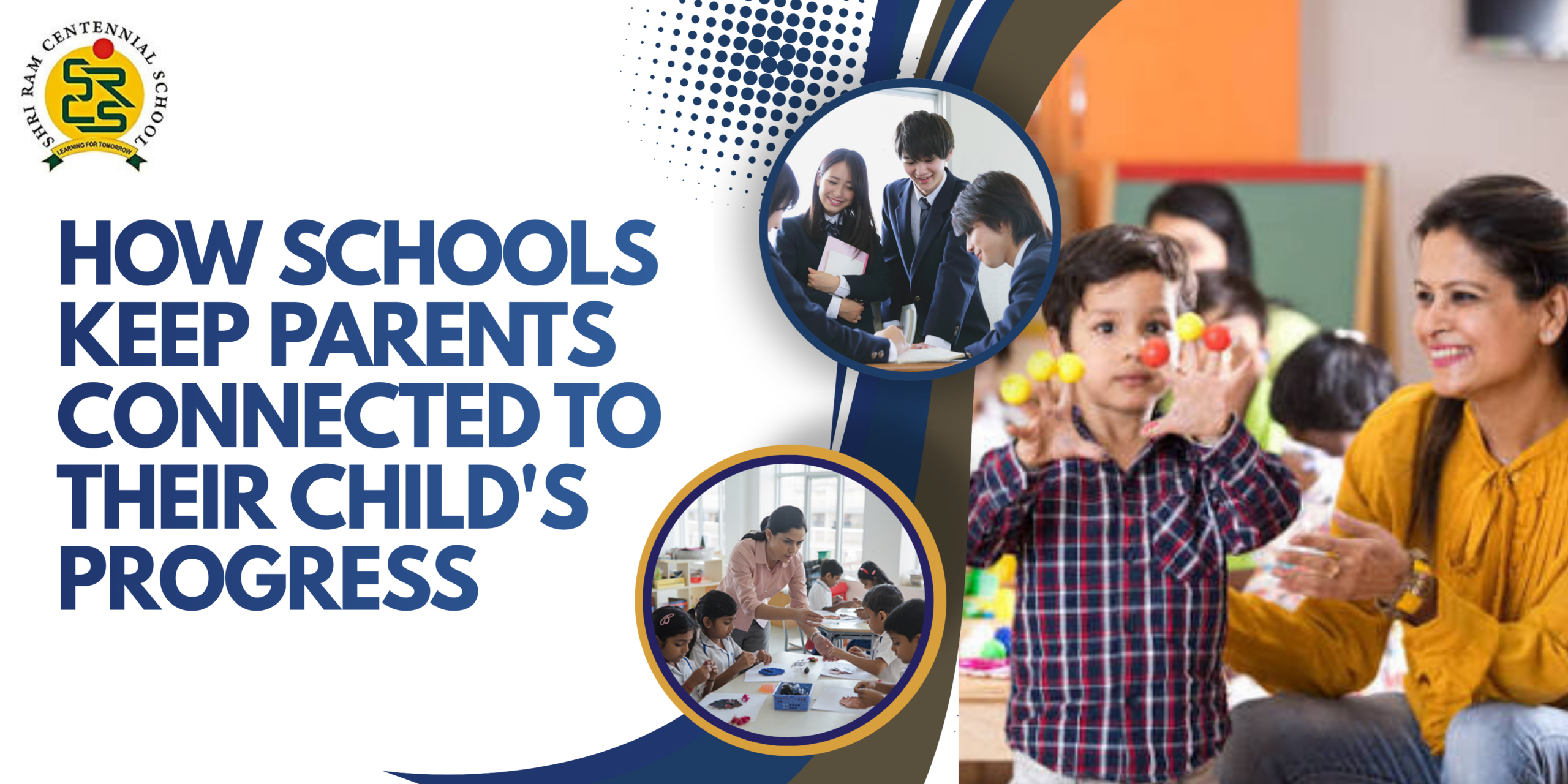
Parents’ decisions about their child’s school are one of the most significant decisions they can make for their children. Parent-school communication is one important aspect that can affect this choice besides academics, infrastructure, and extracurriculars. Regular and transparent communication between schools and families enables parents to be informed, involved and confident in their child’s learning experiences.
Boarding schools are special schools, where students are present for a considerable amount of time without being at home, so it is even more important to have a strong connection with parents. Technology, regular communication and engagement initiatives, and a structured communication system have been implemented in modern schools to ensure parents stay engaged in their child’s growth.
Why Parent-School Communication Matters
Effective parent-school communication brings about a partnership built around a child’s total development. Regular communication with parents about academic attainment, behaviour, attendance, achievement and wellbeing gives parents the opportunity to support their child effectively at home.
Communication is also a key component in parent educator trust. Parents get frequent updates on their child’s progress, rather than a report card every academic year, so they can cheer successes and anticipate problems early on.
Often, those schools who value clear communication also build a better relationship with families, which this can help to form, leading to a better sense of support for pupils at school and at home.
Student Progress Tracking Helps Parents Stay Informed
Today’s schools use various methods of student progress tracking to keep parents updated throughout the academic year. Rather than relying only on examination results, schools assess students through projects, classroom participation, assignments, co-curricular activities, and behavioural observations.
Parents may receive updates through:
- Academic progress reports
- Digital parent portals
- Mobile applications
- Weekly or monthly performance summaries
- Attendance records
- Assessment results
- Achievement notifications
This continuous student progress tracking helps parents understand their child’s strengths while identifying areas that may need additional support.
The Importance of Parent-Teacher Communication

Teachers meet with students on a regular basis and know them well and have insight into their academic and personal growth. Such observations are shared with families in a constructive way when there is regular parent-teacher communication.
Communication may include:
- Parent-teacher meetings
- Individual counselling sessions
- Online video conferences
- Classroom updates
- Email communication
- Phone discussions
- Academic consultations
Successful parent-teacher communication is about celebrating progress, making goals and collaborating to help each child succeed—rather than talking about the problem.
Technology Has Transformed Parent-School Communication
Digital technology has significantly improved parent-school communication over the past decade.
Many schools now use dedicated communication platforms that allow parents to:
- View attendance records
- Monitor academic performance
- Access homework assignments
- Receive examination schedules
- Check event calendars
- Read school announcements
- Communicate directly with teachers
- View photographs of school activities
These online platforms provide a sense of security to boarding schools as they allow parents to stay connected even when the children are away.
In an era of technology, messages are communicated quicker, more transparent, and more readily available to busy families.
Beyond Academics: Holistic Student Development
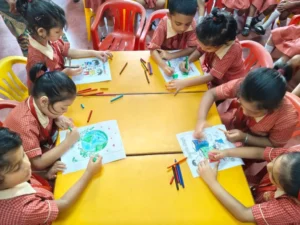
A child’s progress extends far beyond grades. Modern schools focus on developing leadership, confidence, creativity, emotional intelligence, teamwork, and communication skills.
Through regular student progress tracking, parents receive updates on:
- Sports participation
- Performing arts
- Leadership opportunities
- Community service
- Personality development
- Behaviour and discipline
- Emotional wellbeing
- Classroom engagement
This holistic approach helps parents understand how their child is growing in every aspect of life.
Encouraging Parental Involvement in Education
Parental involvement in education is a consistent theme in research that has shown positive effects! Academic achievement and emotional resilience increase when parents engage in their child’s journey of learning.
Schools encourage parental involvement by organising:
- Parent orientation programmes
- Academic workshops
- School events
- Cultural celebrations
- Sports competitions
- Career guidance sessions
- Parent feedback meetings
When schools and families work together, students benefit from consistent guidance, encouragement, and motivation.
Building Trust Through Transparency

One of the biggest benefits of good parent-school communication is the establishment of trust. Parents value the school that gives them timely, accurate and honest information regarding their child’s progress.
Transparency includes the following:
- Regular academic reports
- Behavioural observations
- Attendance updates
- Achievement recognition
- Clear school policies
- Prompt responses to concerns
- Accessible communication channels
When communication remains open and respectful, parents develop greater confidence in the school’s ability to support their child.
Communication in Boarding Schools

Boarding schools face a unique responsibility because students spend extended periods away from their families. Effective communication bridges this distance by ensuring parents remain involved in their child’s daily experiences.
Many boarding schools provide:
- Scheduled parent calls
- Virtual parent meetings
- Online academic portals
- Hostel wellbeing updates
- Event photographs
- School newsletters
- Personal mentoring updates
- Emergency communication systems
These initiatives reassure parents while strengthening the relationship between home and school.
Tips for Parents to Stay Connected
Parents also play an important role in maintaining effective communication.
Some simple ways include:
- Attend parent-teacher meetings regularly.
- Review academic updates consistently.
- Encourage open conversations with your child.
- Communicate respectfully with teachers.
- Participate in school events whenever possible.
- Support learning at home.
- Discuss goals with your child.
- Celebrate achievements, both big and small.
Small efforts from parents contribute significantly to a child’s confidence and motivation.
Choosing a School That Values Communication
When selecting a school, parents should consider more than academic rankings. Ask questions such as:
- How often does the school communicate with parents?
- Are progress reports shared regularly?
- Is there a digital parent portal?
- How accessible are teachers?
- Are parents involved in school activities?
- How are boarding students’ wellbeing updates communicated?
Schools that invest in strong communication systems usually build stronger partnerships with families and create better learning environments for students.
Conclusion
A key element in a successful educational experience is strong parent-school communication. Through student progress tracking, parent-teacher communication, and parental involvement in education, schools develop a collaborative culture that enables students to become successful learners, strong social and emotional beings, and active participants in their own education.
This partnership is particularly beneficial for boarding schools. The communication that is transparent facilitates communication between parents and children, creates trust, and enables the full potential of each child to be achieved.
By fostering a partnership between schools and parents, who are united in their desire to see their children succeed, children become confident, knowledgeable, and responsible, growing into well-rounded, successful people.
Frequently Asked Questions:
Q1. Why is parent-school communication important?
Ans: It keeps parents informed about their child’s academic progress, well-being, and overall development.
Q2. What is Student Progress Tracking?
Ans: Student progress tracking helps parents monitor academic performance, attendance, behaviour, and achievements.
Q3. How does parent-teacher communication benefit students?
Ans: Regular parent-teacher communication helps identify strengths, address challenges, and support student success.
Q4. Why is parental involvement in education important?
Ans: Parental involvement in education improves academic performance, confidence, and emotional wellbeing.
Q5. How do boarding schools keep parents informed?
Ans: Boarding schools use parent portals, regular reports, meetings, calls, newsletters, and digital communication platforms to keep families connected.