Walking into a classroom today looks nothing like it did a generation ago. Children no longer sit quietly waiting to be told what to think. They ask, build, debate, and discover, and this small shift toward interactive learning is changing how well students actually learn
At SRCS in Dehradun, this change is visible in almost every period of the school day. Lessons are built around participation rather than rote memorization, which keeps students curious instead of bored.
What Makes a Classroom Truly Engaging?
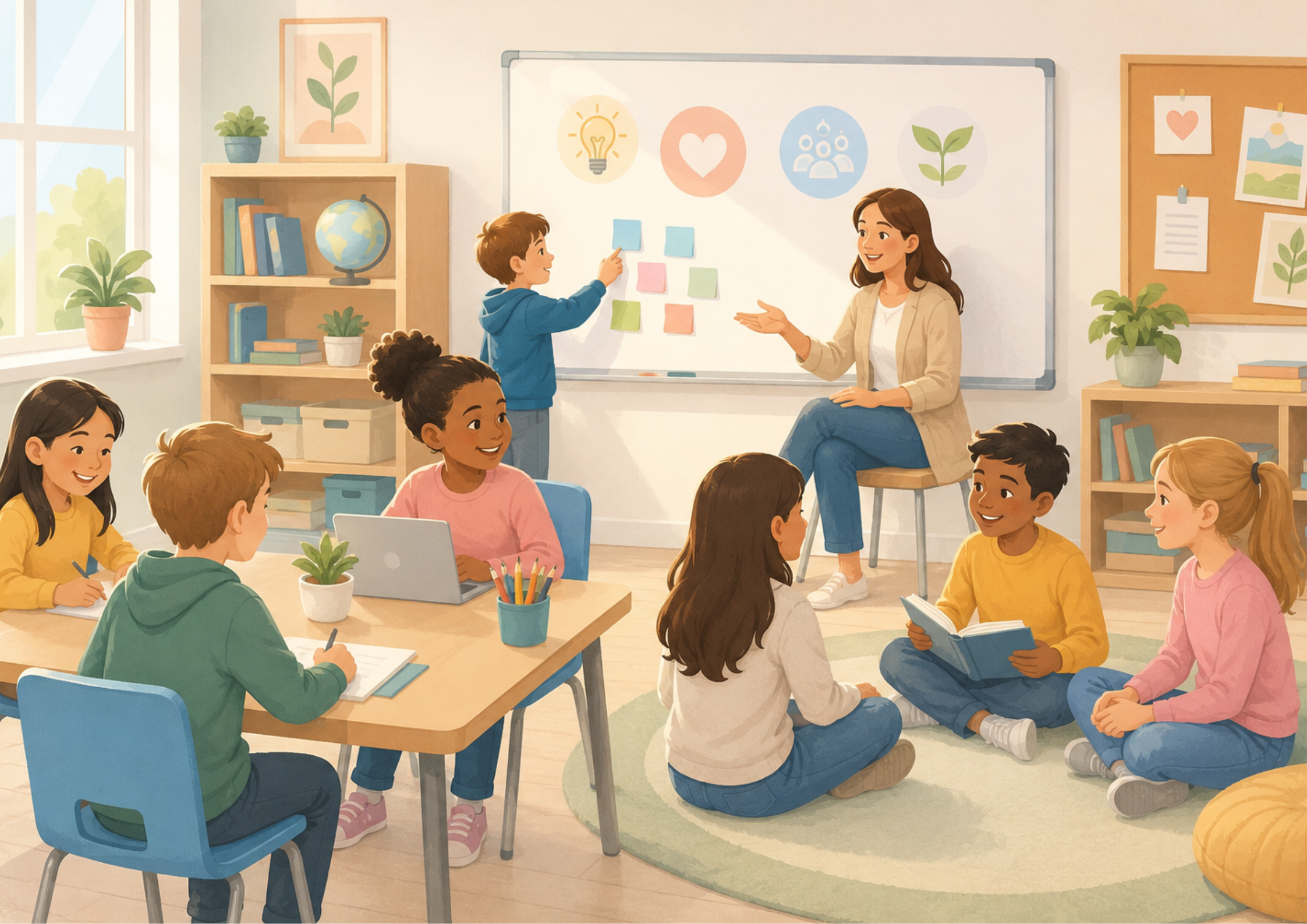
A lecture-only classroom asks students to absorb information passively. An engaging classroom asks them to use it right away. That difference matters more than most parents realize, because children remember what they do far longer than what they only hear.
Some simple signs of an engaging classroom include:
- Students asking follow-up questions on their own
- Group activities replacing long stretches of one-way teaching
- Visible excitement when a new topic is introduced
- Children explaining concepts back to each other
When these signs are present, learning sticks. When they’re missing, even the best textbook content gets forgotten within days.
Interactive Learning at SRCS School: A Closer Look
Interactive learning isn’t a single technique; it’s a teaching philosophy that runs through subject planning, classroom layout, and even how teachers ask questions. At SRCS, this philosophy shapes daily routines rather than appearing only on special activity days.
Hands-On Activities That Build Curiosity
Science classes often move beyond diagrams into actual experiments. Math becomes easier to grasp when fractions are explained using real objects instead of abstract numbers. Even language classes use storytelling circles and role play so that grammar feels practical rather than tedious.
This hands-on approach gives students a reason to stay involved. They aren’t just preparing for a test; they’re solving something in front of them.
Group Discussions and Peer Learning
Children often understand a concept better when a classmate explains it, simply because the language feels more familiar. Teachers at SRCS use this naturally by encouraging short group discussions, peer reviews, and paired problem-solving during regular class hours.
This also quietly builds confidence. A student who can explain an idea to a friend usually understands it well enough to use it independently later.
Technology-Driven Classrooms
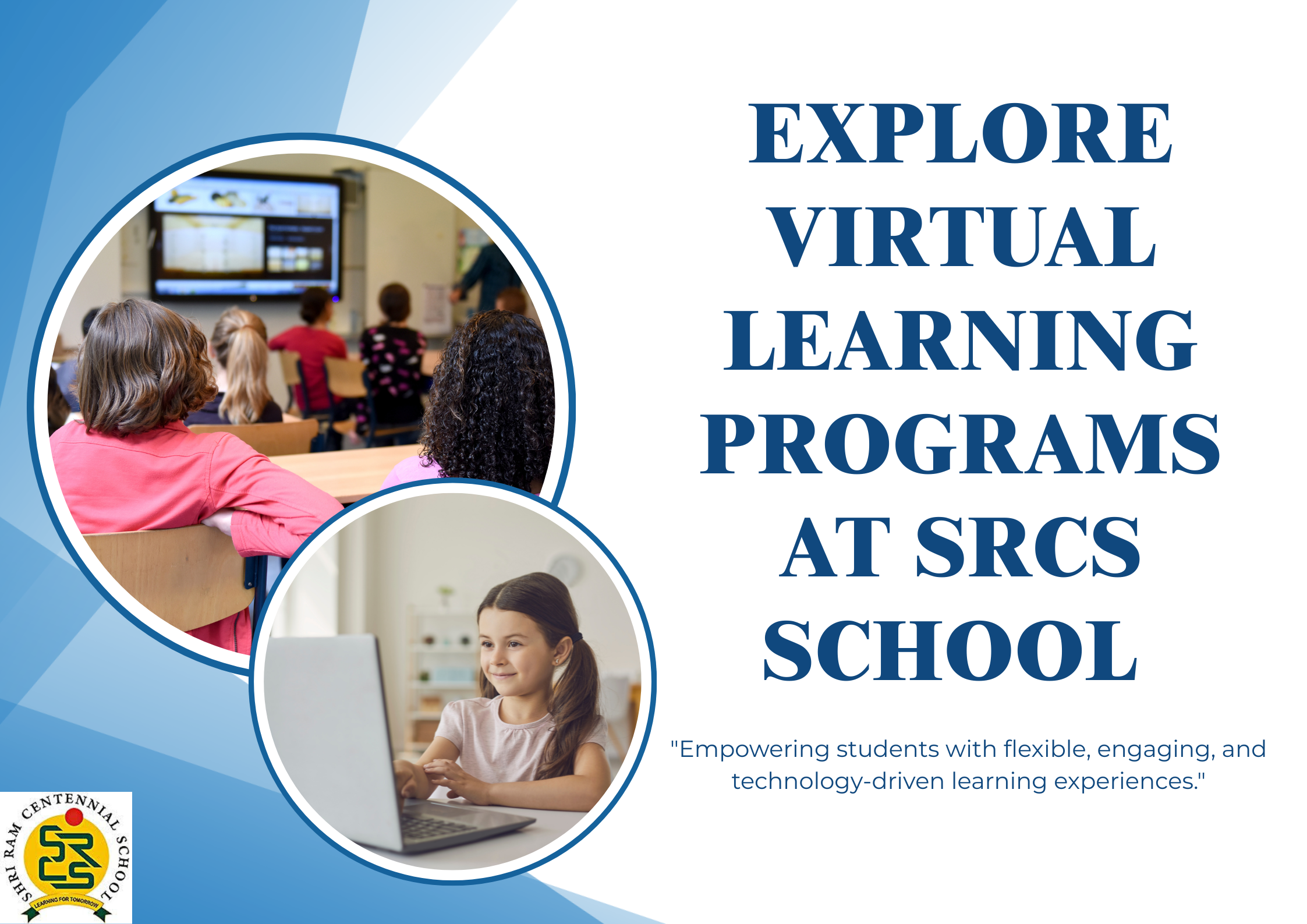
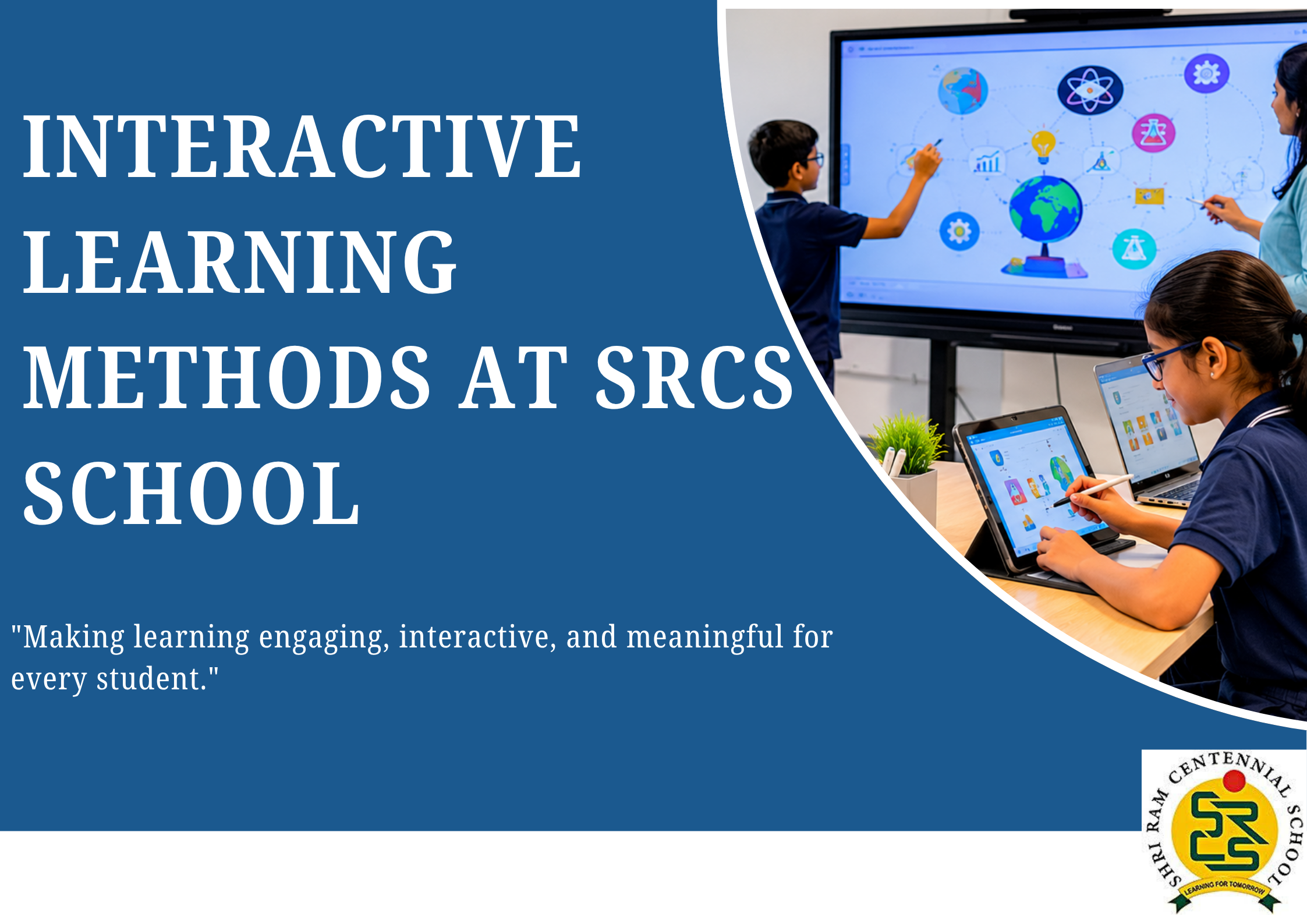
Smart boards, subject-based apps, and short multimedia clips are now part of regular teaching rather than occasional treats. A short animation showing how the water cycle works, for instance, often does more for understanding than several pages of text.
Used carefully, technology doesn’t replace the teacher. It simply gives them another tool to make a topic click for different types of learners.
Why Parents Notice the Difference
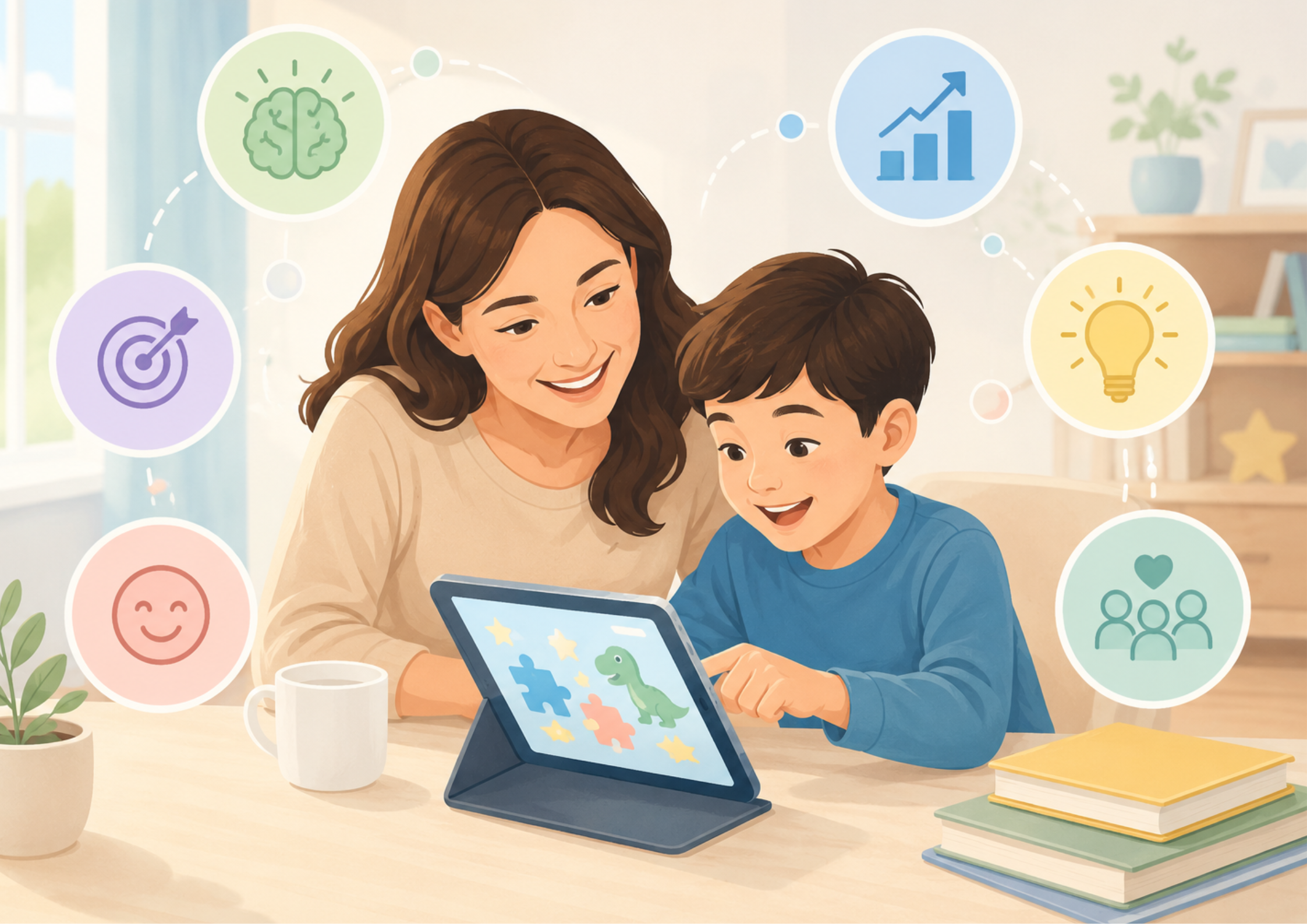
Parents are often the first to notice when a child starts enjoying school instead of just attending it. A common comment heard from families at SRCS is that homework conversations at home have become more detailed, with children explaining what they did rather than just what was assigned.
Better Retention and Recall
Students who actively participate in a lesson tend to recall it more easily during exams and, more importantly, months later. This isn’t about cramming harder; it’s about learning in a way that naturally sticks.
Stronger Communication Skills
Group projects, presentations, and classroom debates push children to organize their thoughts and speak clearly in front of others. These are skills that matter well beyond school report cards, and they tend to develop faster in classrooms built around discussion rather than silence.
Life Beyond the Classroom
Education at a residential school isn’t limited to timetabled periods. Evening study circles, hobby clubs, and house-level competitions all give students more chances to apply what they’ve learned during the day. Being among the recognized boarding schools in Uttarakhand, SRCS uses this extended day structure to blend academics with everyday skill-building, from teamwork on the sports field to problem-solving in hobby clubs.
This rhythm matters for boarding students in particular, since their entire day, not just classroom hours, becomes part of their learning environment.
How Teachers Support This Approach
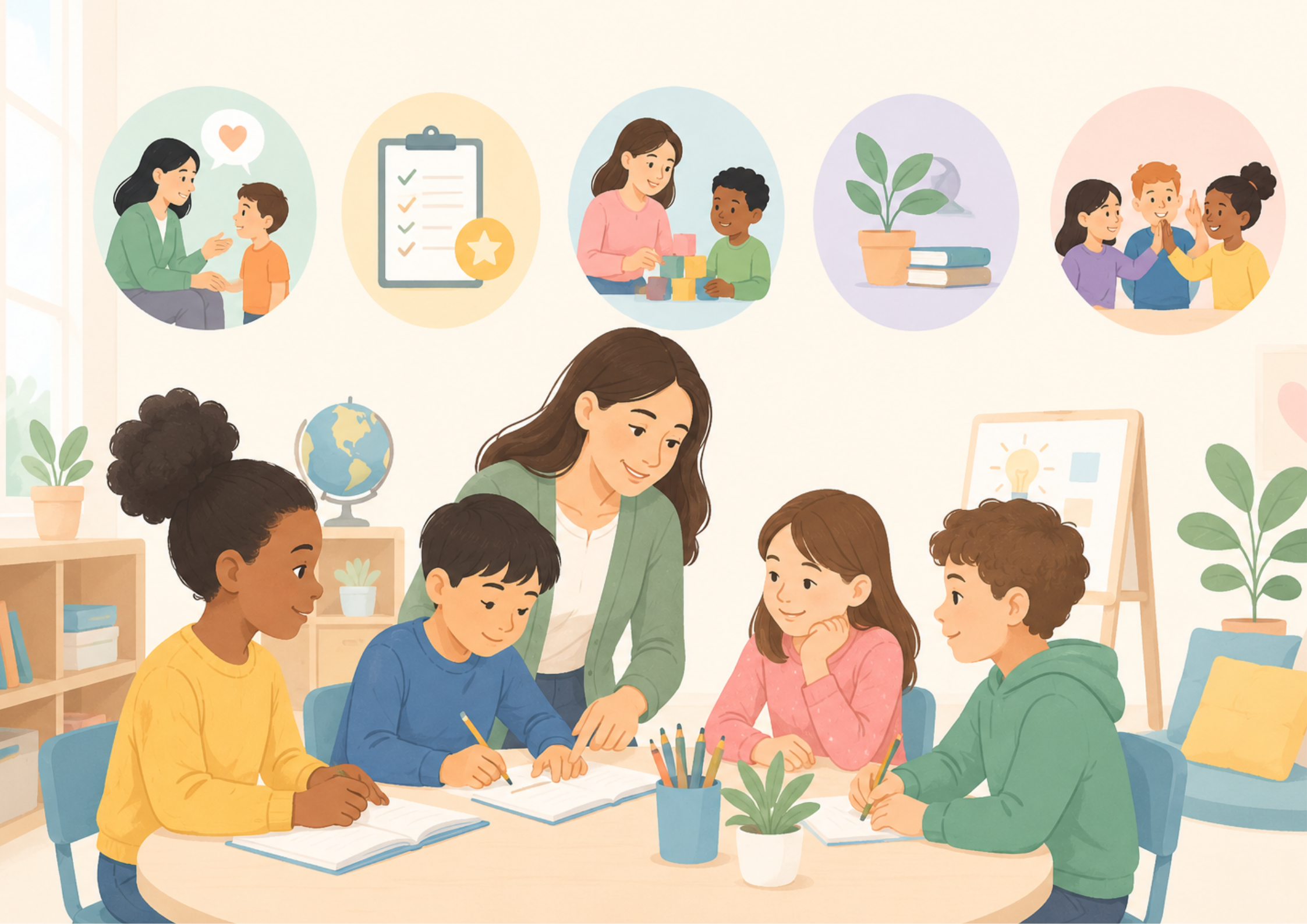
None of this works without prepared teachers. Interactive teaching requires more planning than a straightforward lecture, since it involves anticipating questions, managing group dynamics, and adjusting activities on the spot.
Continuous Training
Teachers regularly take part in training sessions focused on newer teaching methods, classroom management for group work, and the use of digital tools. This keeps their approach updated rather than relying on the same lesson plans year after year.
Personalized Feedback
Because interactive classes involve more student talk-time, teachers also get a clearer picture of who is struggling and who has already grasped a topic. This makes it easier to give feedback that’s specific to each child rather than generic comments on a test paper.
Final Thoughts
Good teaching has always been about more than covering a syllabus; it’s about helping a child genuinely understand what they’re learning. That’s exactly what this approach aims to do at SRCS, turning everyday lessons into something students actively take part in rather than simply sit through.
For parents weighing different schools, the question worth asking isn’t just what subjects are taught, but how those subjects are taught. A classroom built around participation usually leaves a longer-lasting impression than one built around memorization alone.