




What Is Happening to Our Planet in 2026?
The year 2026 has arrived with a stark reminder: global warming is no longer a distant threat. It is a present reality that communities, governments, and everyday citizens face each day. From scorching heatwaves in South Asia to flood-ravaged coastlines in Europe, the fingerprints of climate change are unmistakable.
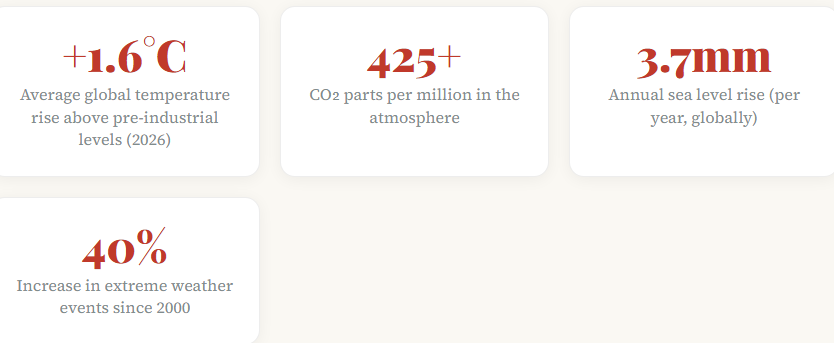
Scientists at the World Meteorological Organization confirmed that the last decade was the hottest ever recorded in human history. Carbon dioxide levels in the atmosphere have now surpassed 425 parts per million — a level not seen for millions of years. The consequences are unfolding faster than many climate models once predicted.
The Most Visible Effects of Global Warming in 2026
Climate change reveals itself in ways both dramatic and subtle. Some effects grab headlines; others quietly reshape ecosystems over years. Here are the most significant changes happening right now.
1. Rising Temperatures and Extreme Heatwaves
In 2026, large parts of the world are experiencing record-breaking summer temperatures. Cities that rarely saw temperatures above 40°C are now regularly exceeding them. India, the Middle East, and the Mediterranean basin have all logged their hottest months on record in recent years.
Extreme heat is not just uncomfortable — it kills. Heat-related illnesses, crop failures, and power outages follow heatwaves, placing enormous pressure on healthcare systems and food supplies.
2. Melting Ice and Rising Sea Levels
The Arctic is warming nearly four times faster than the global average. Glaciers in Greenland, Antarctica, and mountain ranges around the world are retreating at alarming rates. This melting ice is directly driving sea level rise, which currently sits at around 3.7 mm per year — a pace that has accelerated sharply since the 1990s.
Coastal cities like Mumbai, Miami, Jakarta, and Shanghai face the risk of significant flooding within the next two decades if current trends continue unchecked.
— Based on projections from the Intergovernmental Panel on Climate Change (IPCC)
3. More Frequent and Intense Storms
Warmer ocean temperatures fuel stronger tropical cyclones, hurricanes, and typhoons. Storms that once formed once in a decade now appear with unsettling regularity. Flooding, infrastructure damage, and displacement of communities follow in their wake.
4. Prolonged Droughts and Water Scarcity
Paradoxically, while some regions flood, others dry out. Droughts are becoming longer and more intense across sub-Saharan Africa, the western United States, and parts of South America. Freshwater reserves that billions of people depend on — from rivers to underground aquifers — are shrinking.
5. Wildfires on a New Scale
Longer dry seasons and record temperatures create ideal conditions for wildfires. Australia, Canada, and southern Europe have seen fire seasons that now stretch for much of the year. Millions of hectares of forest burn annually, releasing vast amounts of carbon into the atmosphere — further accelerating warming in a dangerous feedback loop.
Impact on Ecosystems and Wildlife
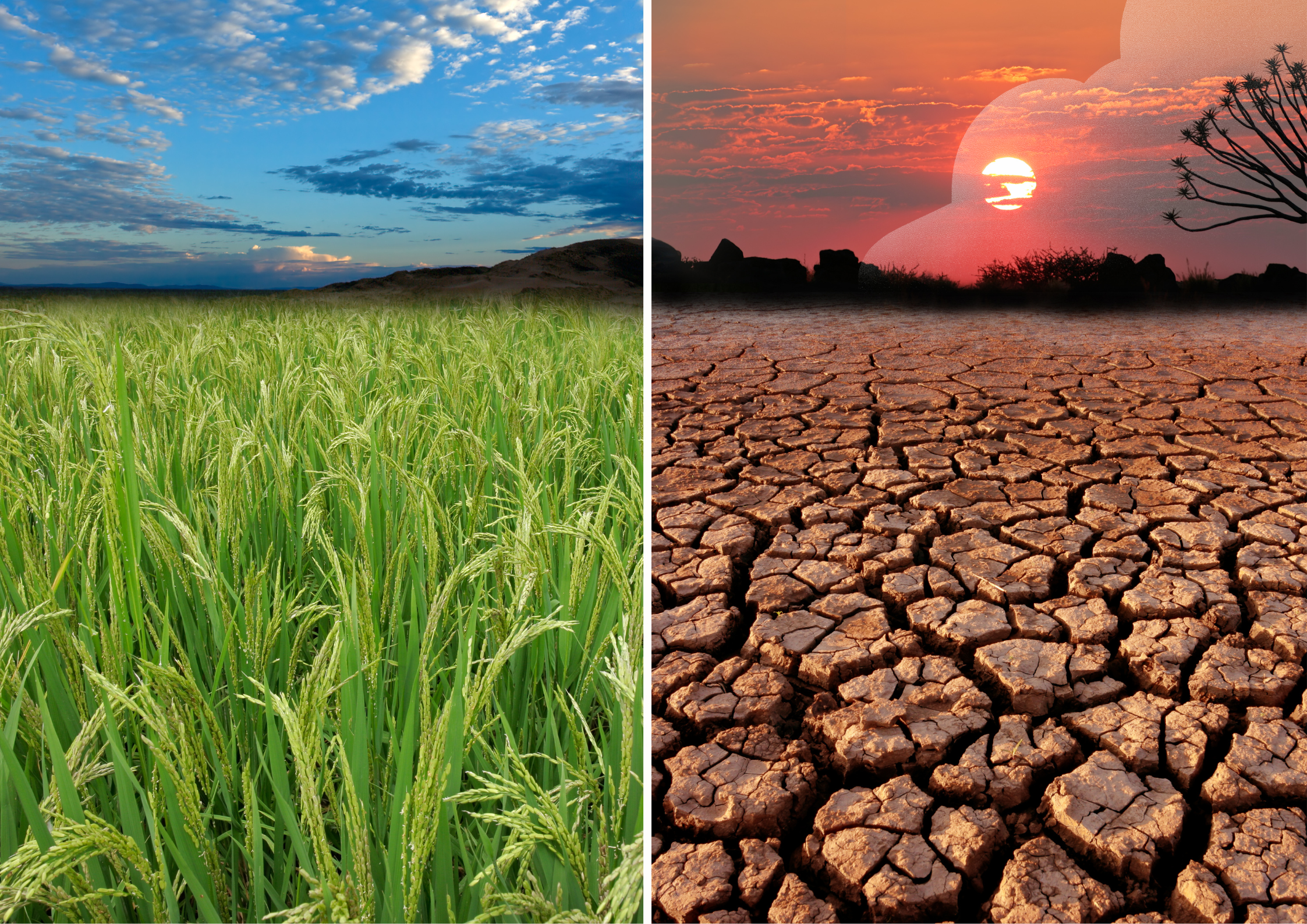
Climate change does not affect only humans. It is reshaping entire ecosystems at a pace that species struggle to adapt to.
- Coral reefs are bleaching and dying as ocean temperatures rise even by fractions of a degree. Reefs support roughly 25% of all marine species.
- Migratory birds and insects are shifting their patterns, arriving at breeding grounds out of sync with the food sources they depend on.
- Polar bears, penguins, and Arctic foxes face shrinking habitats as sea ice disappears earlier each spring.
- Forests in the Amazon and Southeast Asia are increasingly stressed by heat and drought, reducing their capacity to act as carbon sinks.
- Ocean acidification, caused by the absorption of excess CO₂, is threatening shellfish, plankton, and the food chains that depend on them.
⚠️ Scientists warn that the current rate of species extinction is up to 1,000 times higher than natural background rates — a pace not seen since the era of the dinosaurs.
When ecosystems destabilize, the ripple effects reach human societies through reduced crop yields, collapse of fisheries, and increased exposure to new diseases.
How Climate Change Affects People and Communities
The human cost of global warming is steep — and it is not shared equally. The communities least responsible for historical carbon emissions often bear the heaviest burden.
Food and Water Security
Changing rainfall patterns and prolonged droughts are disrupting agriculture across the globe. Wheat, rice, and maize — the world’s three most important staple crops — are all projected to see yield declines as temperatures climb. For regions already struggling with poverty and hunger, this is a crisis with no easy solution.
Health Risks
Warmer climates expand the range of disease-carrying mosquitoes, increasing the spread of malaria, dengue fever, and Zika virus. Air quality worsens as wildfires and heat amplify smog and particulate matter. Mental health impacts of climate-driven displacement and disaster trauma are also increasingly documented.
Displacement and Climate Refugees
Rising seas, extreme weather, and desertification are already forcing millions of people from their homes. The United Nations estimates that by 2050, over 200 million people could be internally displaced due to climate-related causes. In 2026, this migration is already accelerating in low-lying island nations and flood-prone river deltas.
Economic Consequences
The financial costs of climate change run into trillions of dollars. Infrastructure damage, agricultural losses, healthcare costs, and reduced labor productivity all add up. Developing nations, which have contributed far less to global emissions, are absorbing disproportionate economic shocks.
Why Climate Education Matters More Than Ever
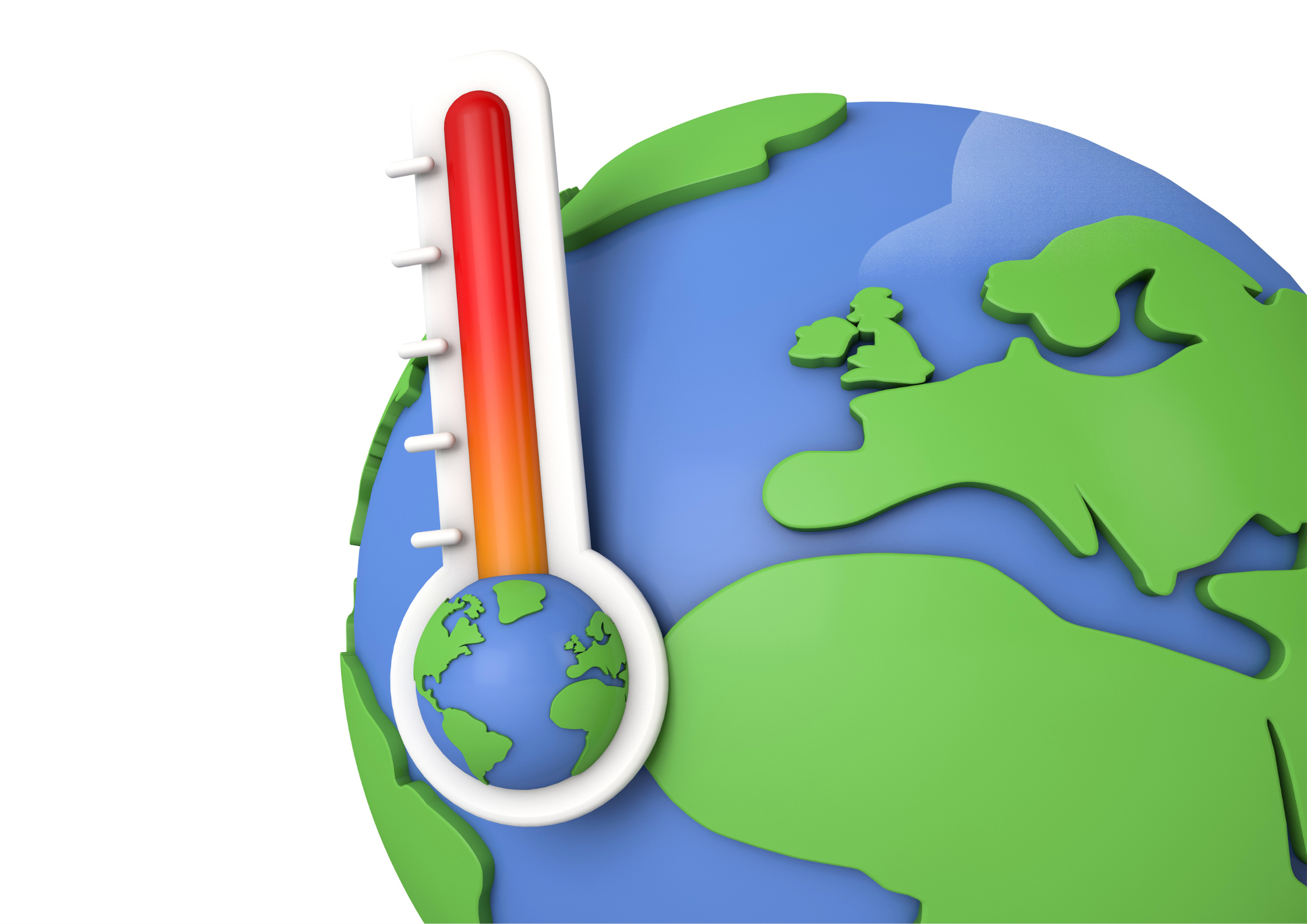
Understanding global warming is not a luxury — it is an essential life skill for this generation and the next. Schools and educational institutions around the world are beginning to recognize this urgency.
Every school in India, for instance, has a responsibility to integrate environmental literacy into everyday learning — not as an add-on subject, but as a thread woven through science, geography, social studies, and even literature. Children who understand what climate change is, how it works, and why it demands action are better equipped to be responsible citizens.
Similarly, many Schools in Uttarakhand hold a unique opportunity — situated amid the Himalayas, where glacier retreat is visible and river systems are directly affected by warming trends, these institutions can offer students firsthand exposure to the consequences of climate change and the importance of mountain ecosystem conservation.
- For Teachers: Incorporate real-time climate data into science lessons. Use NASA and NOAA open resources for engaging, fact-based classroom discussions.
- For Parents: Talk openly with children about environmental topics. Visit national parks, nature reserves, or local rivers to build connection with the natural world.
- For Schools: Start eco-clubs, campus composting programs, and annual tree-planting drives. Make sustainability a living practice, not just a topic.
What Can Individuals and Communities Do?
Individual action, while not sufficient on its own, sends powerful market and political signals. When communities act together, the impact multiplies. Here is where to start.
Reduce Carbon Footprint at Home
- Switch to energy-efficient LED lighting and appliances.
- Reduce meat consumption — especially beef — which carries a high carbon cost.
- Choose public transport, cycling, or carpooling over solo car use.
- Opt for renewable energy providers where available.
- Reduce, reuse, and recycle — especially plastics and electronics.
Engage in Community and Civic Action
- Participate in local environmental groups and clean-up drives.
- Support local candidates and policies that prioritize clean energy and conservation.
- Encourage businesses to adopt sustainable supply chains.
- Plant trees — individually and collectively.
Stay Informed and Spread Awareness
Misinformation about climate change is widespread. Reading peer-reviewed research, following credible scientific institutions, and sharing factual content makes a measurable difference in public discourse. Awareness is the first step toward action.
The transition to a low-carbon economy is already creating millions of new jobs in solar energy, electric vehicles, sustainable agriculture, and green construction. Responding to climate change is not just a moral imperative — it is an economic opportunity.
Conclusion: The Moment to Act Is Now
Global warming in 2026 is not a future problem. It is the defining challenge of this era. Rising temperatures, melting glaciers, extreme storms, and biodiversity loss are reshaping the planet in real time. The good news is that the science is clear, the solutions are known, and the tools to act are available.
What is needed now is urgency — at every level, from individual households to international governments. Climate education, community action, clean energy investment, and honest public discourse are all essential ingredients. The window to limit the worst outcomes is narrowing, but it has not closed.
Key Takeaway: Every degree of warming prevented saves lives, ecosystems, and livelihoods. The choices made in this decade will determine the world inherited by the children growing up today.
Frequently Asked Questions
1) What is the biggest cause of global warming in 2026?
Ans: The burning of fossil fuels — coal, oil, and natural gas — remains the primary driver of global warming. It accounts for roughly 75% of global greenhouse gas emissions. Deforestation and industrial agriculture also contribute significantly.
2) How much has the Earth’s temperature risen so far?
Ans: Global average temperatures have risen by approximately 1.6°C above pre-industrial levels as of 2026. The Paris Agreement set a target of limiting warming to 1.5°C, a threshold that is now on the verge of being crossed permanently.
3) How does global warming affect children and young people?
Ans: Children are among the most vulnerable to climate impacts — through heat stress, worsening air quality, food insecurity, and psychological distress from climate anxiety. Climate education helps young people understand the issue and feel empowered to respond rather than overwhelmed.
4) Can global warming still be reversed?
Ans: Full reversal is no longer possible in the short term. However, limiting future warming to safer levels is absolutely achievable if global emissions are cut sharply and rapidly. Every fraction of a degree of warming prevented matters enormously for ecosystems and communities.
5) What is the role of schools in addressing climate change?
Ans: Schools play a vital role by building climate literacy, fostering environmental values, and inspiring the next generation of scientists, policymakers, and advocates. Practical programs like tree planting, waste reduction, and energy audits give students real-world agency.