




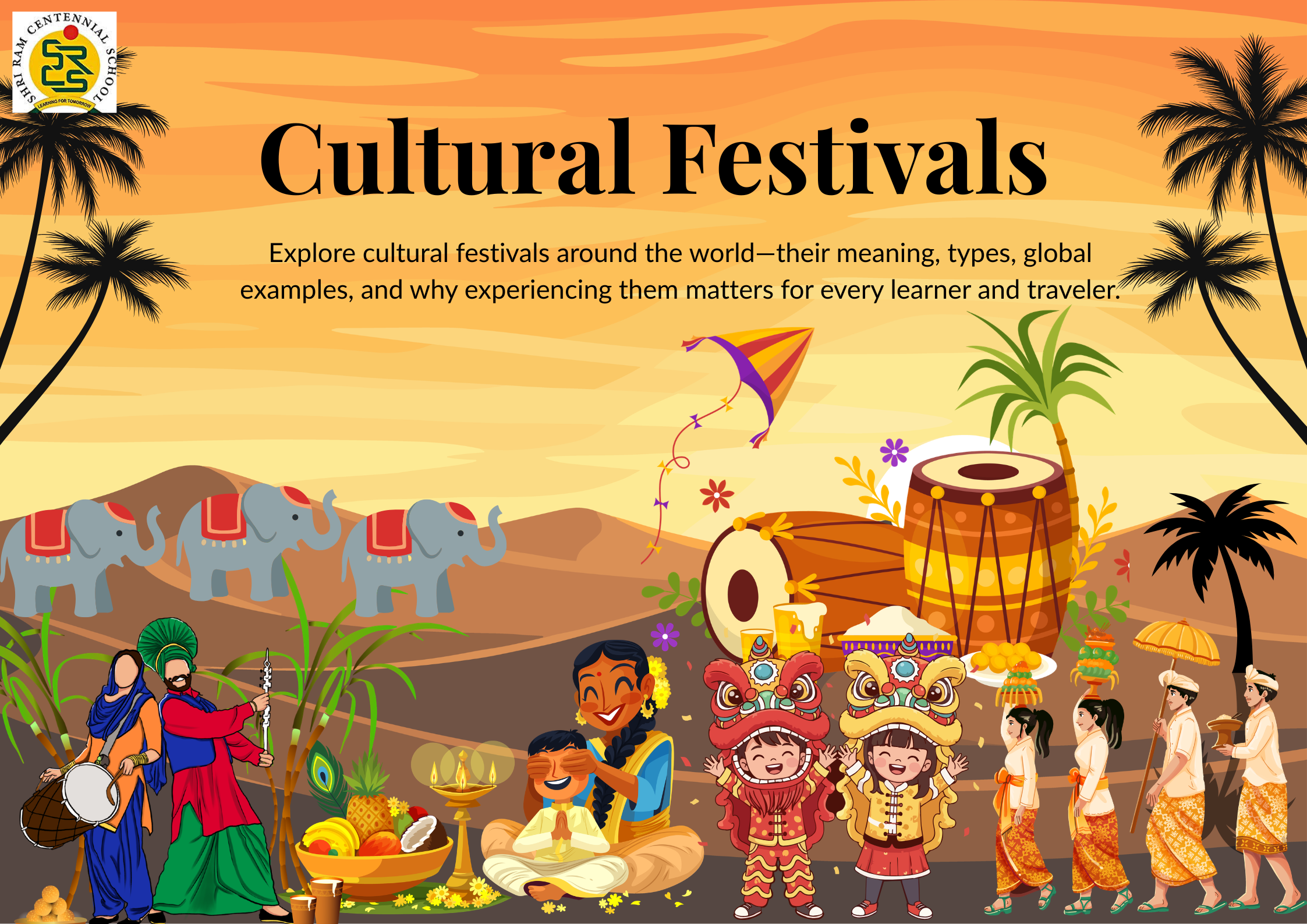
Every corner of the world has a story to tell — and cultural festivals and events are among the most vivid ways those stories come alive. From the fire-lit skies of Diwali to the rhythm-soaked streets of Rio Carnival, festivals connect people to their roots, to each other, and to something far larger than themselves.
This article explores what cultural festivals truly are, why they matter deeply, the different types celebrated globally, and which ones every curious learner, traveler, parent, or teacher should know about. Whether you are planning a trip or looking to bring world cultures into a classroom, this guide has you covered.
What Are Cultural Festivals?
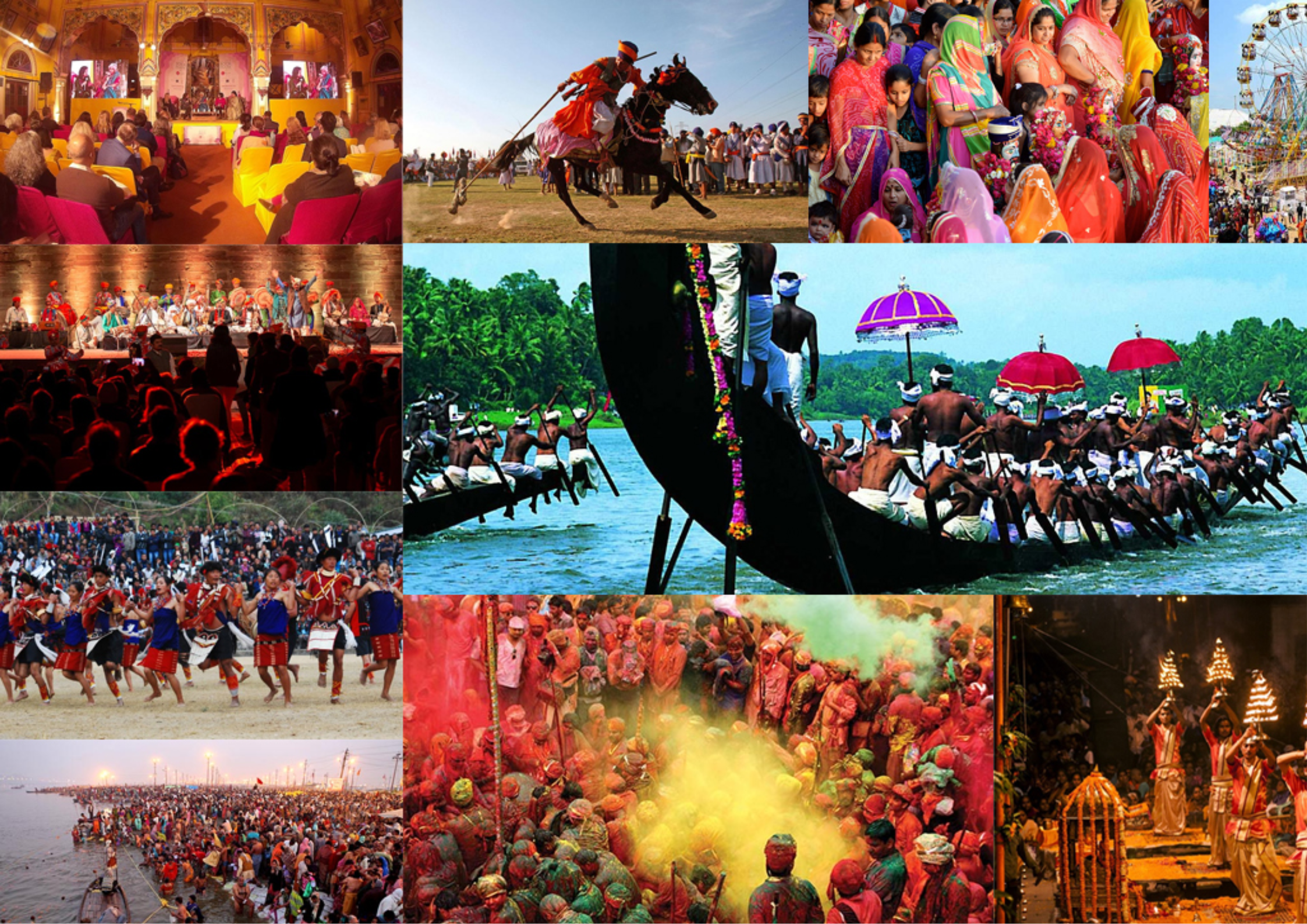
A cultural festival is an organized, often recurring, community event that celebrates the shared values, beliefs, history, arts, or traditions of a group of people. These events can be religious, seasonal, artistic, or historical in nature — but they all carry one common thread: they bring human beings together under a shared identity.
Simply put, a cultural festival is how a society says, “This is who we are.”
Festivals serve as living museums. They preserve ancient rituals, folk art, music, costumes, foods, and languages that might otherwise fade with time. They also adapt with every generation, making them both timeless and evolving.
“Culture is the widening of the mind and of the spirit.” — Jawaharlal Nehru
Why Are Cultural Festivals Important?
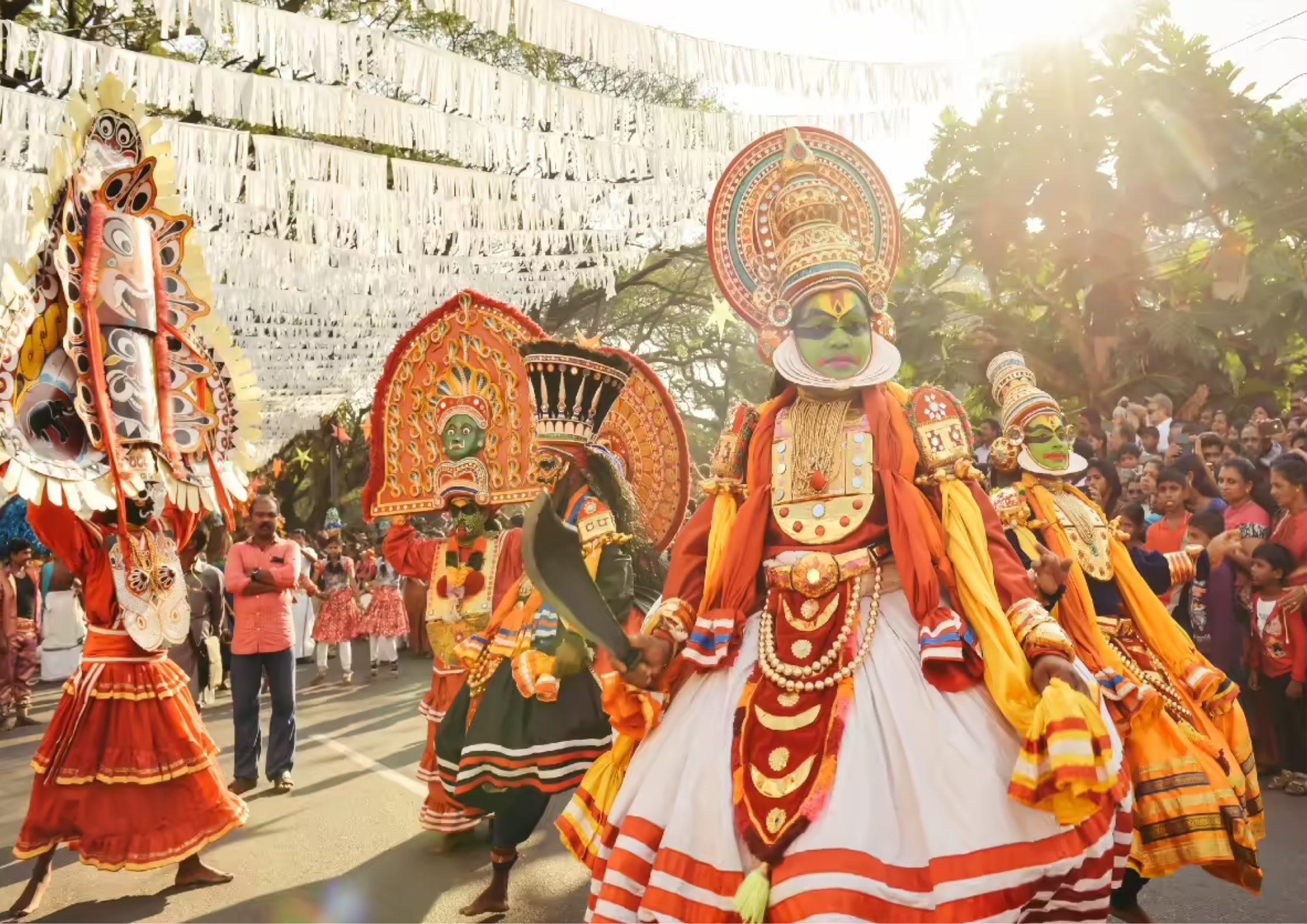
The importance of cultural festivals goes far beyond entertainment. Here are the key reasons they hold such significant value:
- Preserving heritage: Festivals keep traditional music, dance, cuisine, and rituals alive across generations.
- Building community bonds: Shared celebrations reduce social isolation and strengthen a sense of belonging.
- Promoting cultural exchange: When outsiders participate, mutual understanding grows and stereotypes break down.
- Boosting local economies: Festivals attract tourism, generate business, and support artisans and performers.
- Supporting mental well-being: Joy, creativity, and togetherness directly improve emotional health.
- Educating the young: Children who participate in cultural celebrations develop empathy, curiosity, and a global mindset.
Many educators around the world — from a progressive school in India to institutions in Europe and North America — now include festival studies as part of social science and global citizenship curricula.
Types of Cultural Festivals: A Clear Breakdown
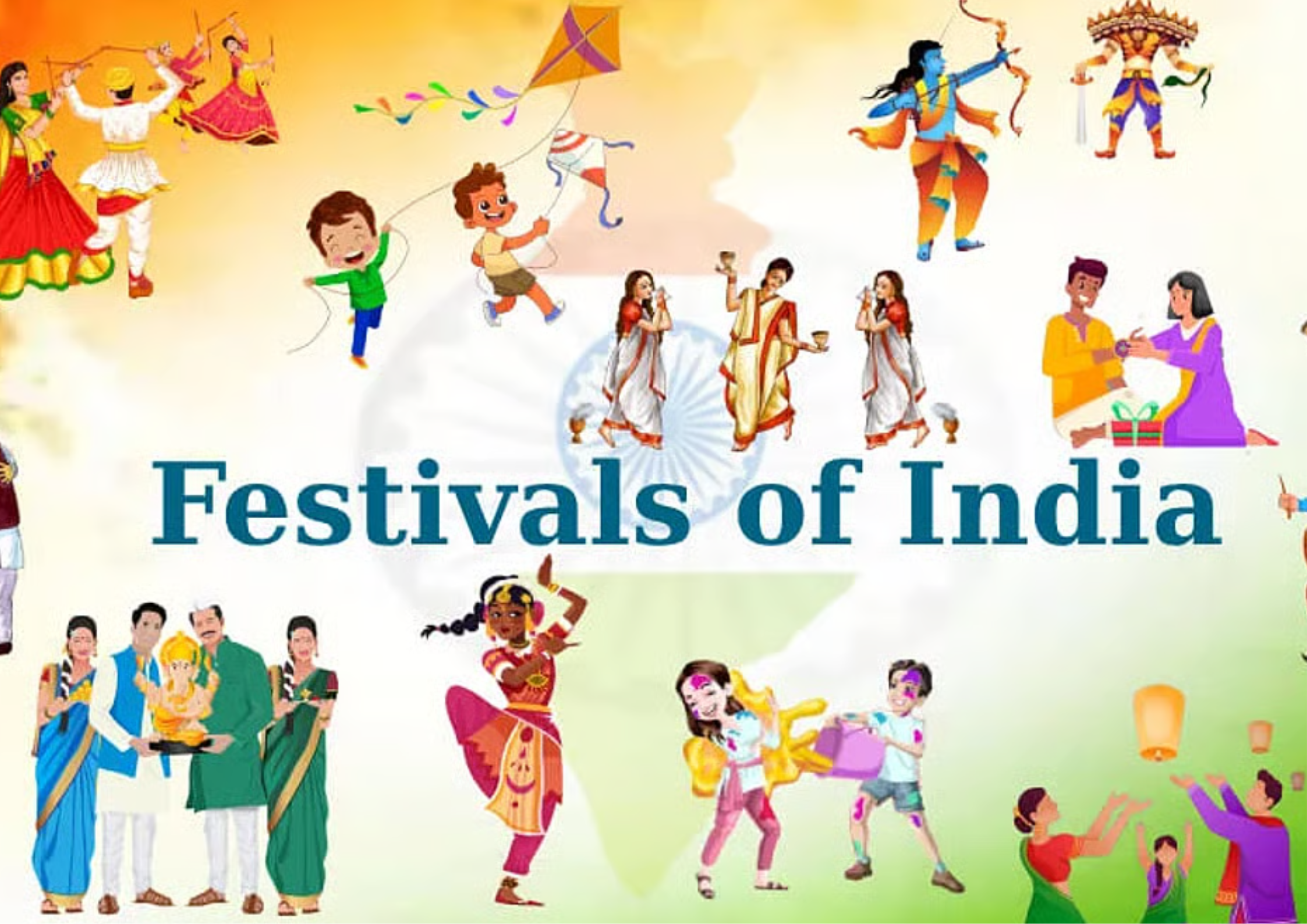
Cultural festivals do not follow one single format. They vary widely in purpose, scale, and tradition. The following are the main types celebrated worldwide:
1. Religious Festivals
These celebrate spiritual beliefs and sacred occasions. Examples include Diwali, Christmas, Eid al-Fitr, Hanukkah, and Vesak. They often involve prayer, rituals, family gatherings, and acts of charity.
2. Harvest and Agrarian Festivals
Rooted in gratitude for the land, these festivals mark the end of a successful growing season. Pongal in South India, Thanksgiving in the United States, and Sukkot in Jewish tradition are classic examples.
3. Music, Arts, and Performance Festivals
These celebrate human creativity. The Edinburgh Festival Fringe (Scotland), Coachella (USA), and the Jaipur Literature Festival (India) all fall into this category. They promote artistic expression across boundaries.
4. Seasonal and Nature Festivals
Tied to solstices, equinoxes, or seasonal changes, these festivals honor the natural world. Japan’s Hanami (cherry blossom viewing) and Midsommar in Scandinavia are beloved examples.
5. National and Historical Commemoration Festivals
These mark important dates in a country’s history — independence days, royal anniversaries, or memorial events. Bastille Day in France and Republic Day in India are among the most recognized.
Top Cultural Festivals Around the World You Must Experience
Across six continents, thousands of festivals take place every year. Below are some of the most iconic and meaningful traditions that every curious person should know about — and ideally witness firsthand.
| Festival Name | Country | Description |
|---|---|---|
| Diwali | India | The Festival of Lights celebrates the triumph of light over darkness. Homes are adorned with diyas, fireworks fill the sky, and sweets are shared with loved ones. |
| Rio Carnival | Brazil | The world’s largest carnival draws millions with samba parades, elaborate costumes, and street parties. It is a masterclass in joy and communal energy. |
| Oktoberfest | Germany | Bavaria’s world-famous folk festival spans two weeks of traditional music, food, and cultural pride that now echoes across the globe. |
| Chinese New Year | China | Celebrated by over a billion people worldwide, this lunar festival features dragon dances, lantern festivals, and family reunions stretching over 15 days. |
| Holi | India | The Festival of Colors marks the arrival of spring with a joyful explosion of colored powder and water, celebrating love, renewal, and the defeat of evil. |
| Obon | Japan | A Buddhist tradition honoring the spirits of ancestors. Lanterns are floated on rivers, and communities perform the Bon Odori dance together at dusk. |
| Día de Muertos | Mexico | This vibrant festival honors deceased loved ones with marigold altars, face painting, music, and food — a celebration of life itself. |
| La Tomatina | Spain | Every August in Buñol, thousands gather to hurl tomatoes at each other in a spectacularly messy and joyful street battle. |
| Edinburgh Fringe | Scotland | The world’s largest arts festival transforms the city into a stage for over 3,000 shows across comedy, theatre, music, and dance every August. |
Cultural Festivals and Education: A Powerful Connection
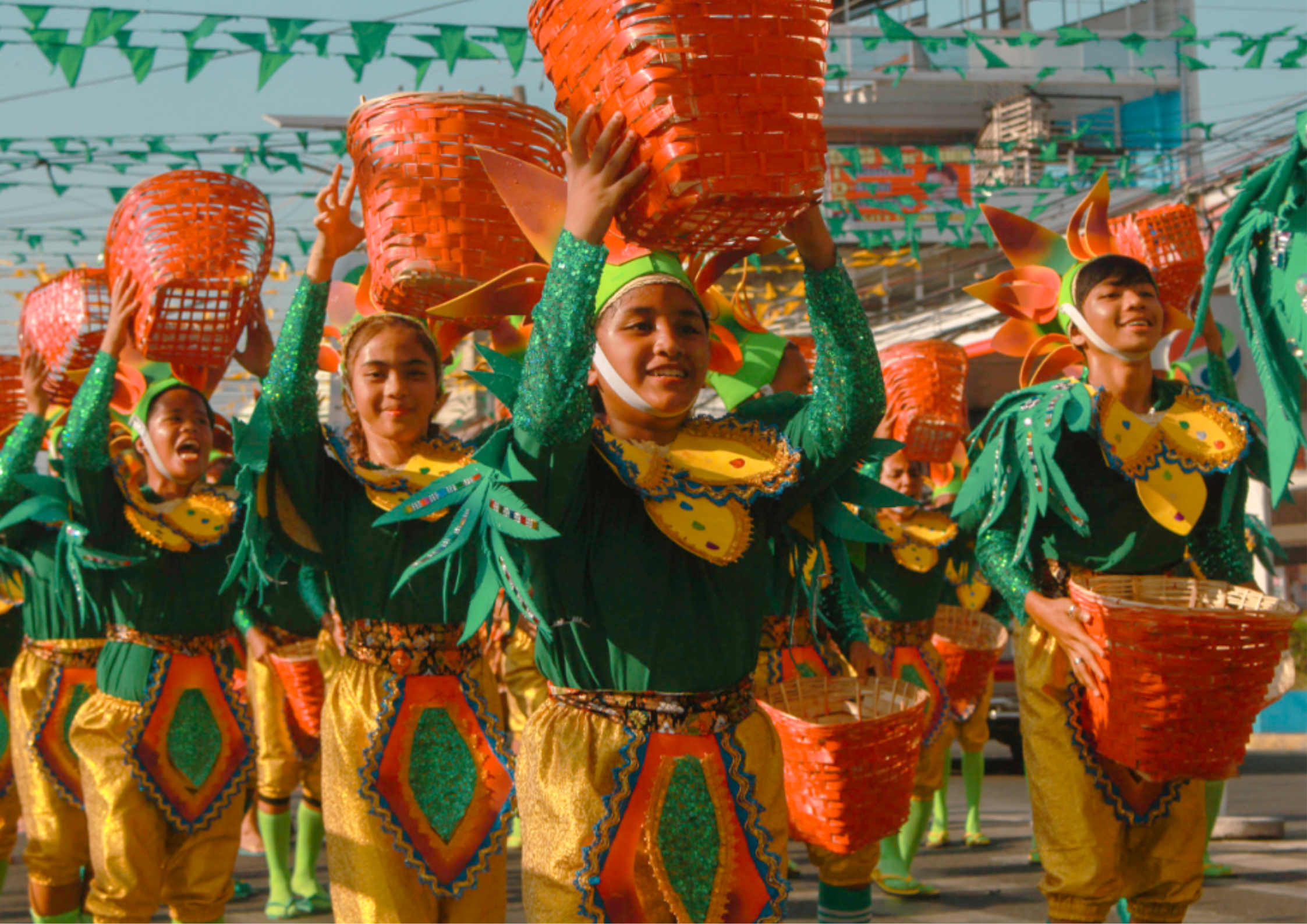
Introducing children to global festivals is one of the most effective ways to build open, thoughtful citizens. When young learners study traditions from other cultures, they develop empathy and reduce bias naturally.
Residential and boarding schools that immerse students in diverse cultural programming offer a particularly strong foundation. For example, many ICSE boarding schools in India incorporate intercultural events, international day celebrations, and world culture projects directly into their academic calendar — giving students exposure well beyond the classroom walls.
Practical Tips for Educators
- Dedicate one class per month to exploring a different world festival.
- Invite parents or community members from diverse backgrounds to share their traditions.
- Use festival-themed art, cooking, and music projects for interdisciplinary learning.
- Encourage students to research festivals connected to their own family heritage.
- Create a “Festival Wall” in the classroom — a running visual map of celebrations worldwide.
Challenges Facing Cultural Festivals Today
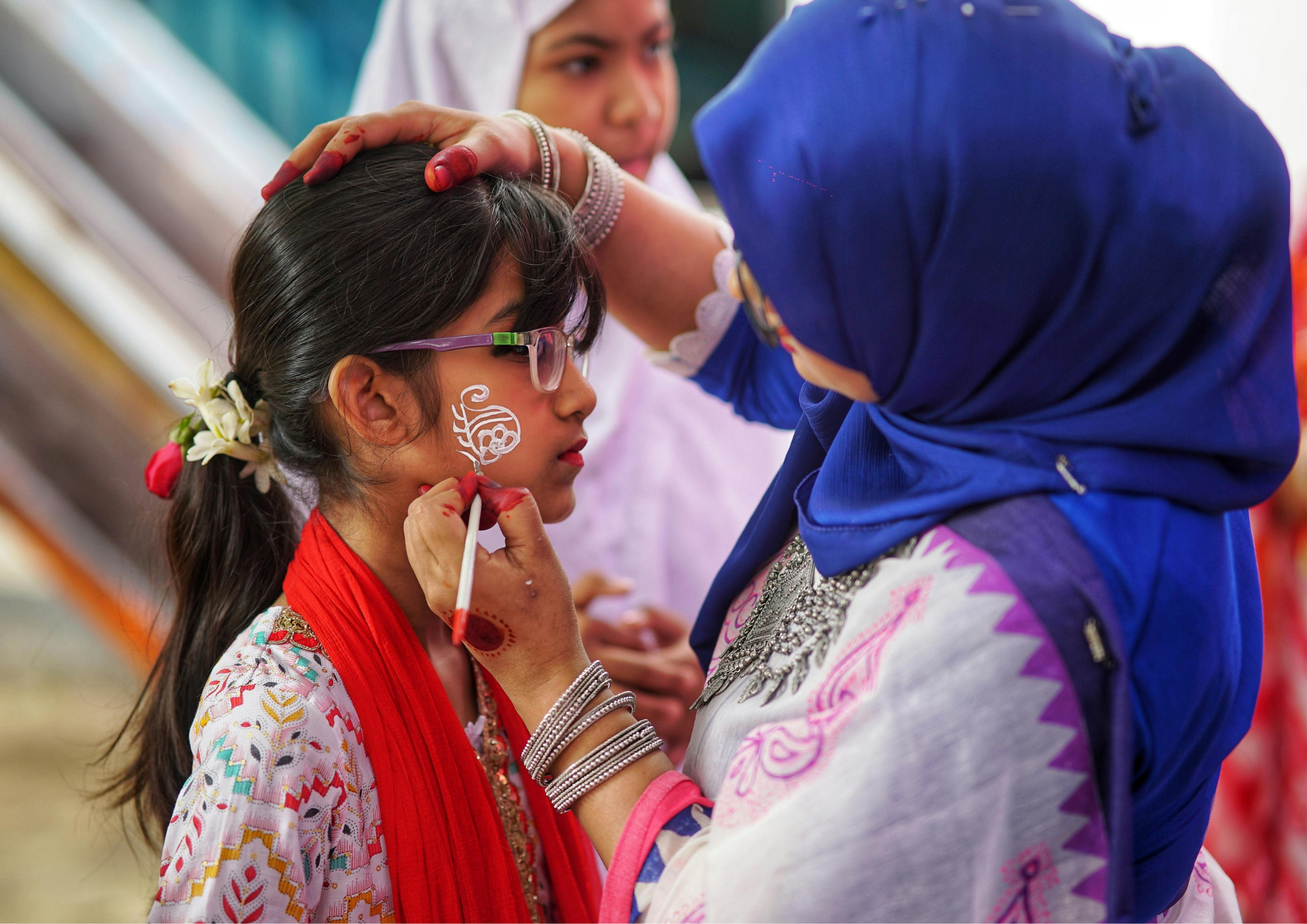
Despite their beauty and importance, cultural festivals face real pressures in the modern world. Understanding these challenges helps communities protect what matters.
- Cultural commercialization: When festivals become primarily commercial, their authentic meaning often gets diluted or lost.
- Environmental impact: Large-scale celebrations can generate significant waste and pollution, particularly when plastic is used or fireworks are overused.
- Cultural appropriation: Outsiders sometimes adopt symbolic elements of a festival without understanding or respecting their deeper meaning.
- Declining participation: Urbanization and digital distractions pull younger generations away from traditional community celebrations.
- Funding gaps: Many folk festivals and indigenous celebrations struggle to survive without adequate government or community support.
Many hillside communities and school campuses in the mountains work actively to keep regional traditions alive. Schools in Uttarakhand, for instance, integrate Kumaoni and Garhwali folk culture into their annual calendars, ensuring that local traditions like Harela and Phool Dei remain meaningful for the next generation.
Final Takeaway
Cultural festivals are far more than colorful events. They are the living heartbeat of human civilization — carrying stories, values, and wisdom across centuries.
Whether someone witnesses the lanterns of Obon floating on a moonlit river, tastes Diwali sweets shared by a neighbor, or watches children perform a harvest dance at top school, the experience leaves something lasting: a deeper sense of shared humanity.
The world is richer because of its diversity. Cultural festivals remind everyone of that — one tradition at a time.
Frequently Asked Questions
Q1. What are cultural festivals?
Cultural festivals are organized community celebrations that reflect the traditions, beliefs, arts, and customs of a group of people. They serve to honor heritage and bring communities together.
Q2. Why are cultural festivals important?
They preserve heritage, promote social bonding, support local economies, foster cultural exchange, and help younger generations connect meaningfully with their roots and history.
Q3. What are the main types of cultural festivals?
The key types are religious festivals, harvest and agrarian festivals, music and arts festivals, seasonal festivals, and national commemoration festivals.
Q4. Which are the most famous cultural festivals in the world?
Among the most celebrated are Diwali and Holi (India), Rio Carnival (Brazil), Oktoberfest (Germany), Chinese New Year (China), Día de Muertos (Mexico), and La Tomatina (Spain).
Q5. How do cultural festivals benefit children and students?
Festivals expose children to diverse cultures, teach empathy and respect, build social skills, and make learning about history and global traditions enjoyable and experiential.