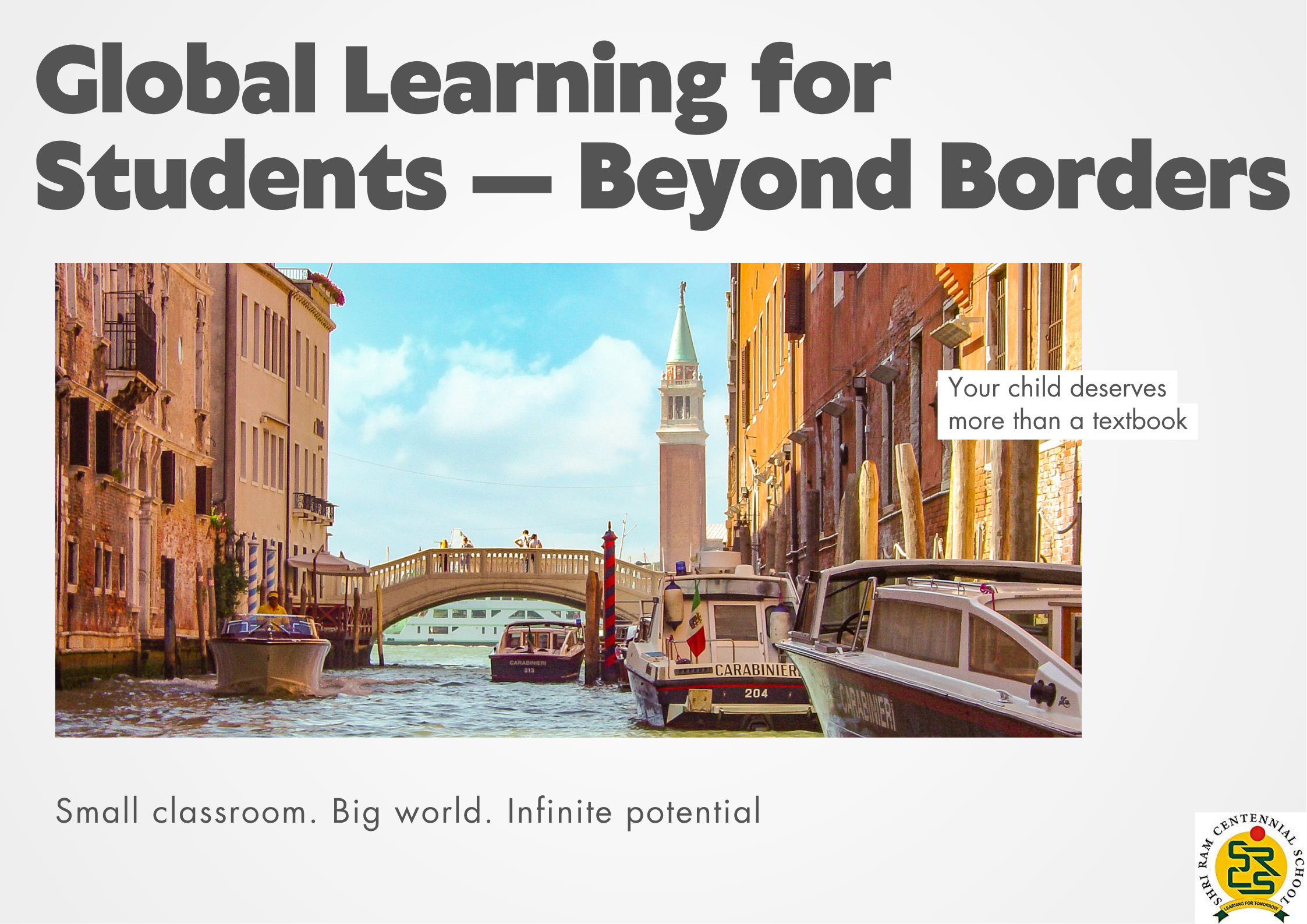
Think about the last time a textbook truly surprised you. For most students, the answer is a long time ago — or never. That’s not a failure of curiosity. It’s a signal that traditional education, as valuable as it is, can only take a learner so far.
The world has changed dramatically. Careers now cross continents. Conversations happen in real time across time zones. And the problems students will solve tomorrow — climate, healthcare, technology, inequality — are genuinely global in nature.
That’s exactly why global learning has moved from a nice-to-have to a need-to-have for every student, regardless of where they live or study.
What Is Global Learning for Students?
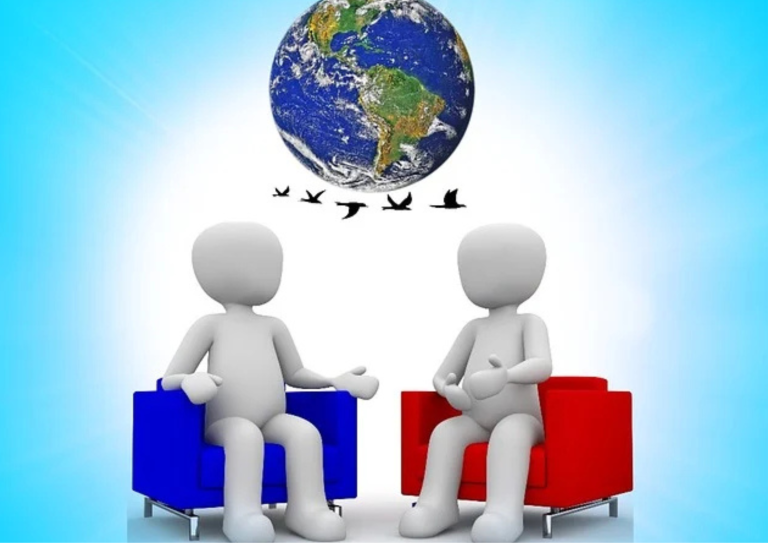
At its simplest, global learning means education that prepares students to think beyond their immediate environment. It goes beyond geography lessons or a foreign language class. It’s about developing skills, perspectives, and values that allow a student to function — and thrive — in a culturally complex, fast-moving world.
This includes exposure to different cultures, collaborative projects with students from other countries, learning about global systems like trade or climate, and building empathy through real-world problem-solving.
The Three Pillars of a Global Education
- Knowledge: Understanding how the world works — economically, politically, environmentally, and culturally.
- Skills: Communication, critical thinking, digital literacy, and adaptability in cross-cultural settings.
- Attitudes: Empathy, openness, intellectual curiosity, and a sense of shared responsibility.
These aren’t soft extras. Employers, universities, and communities worldwide increasingly look for young people who possess all three.
Why Global Learning Matters More Than Ever
The modern workforce doesn’t respect borders. A student in Dehradun might collaborate with a design team in Berlin or pitch to a client in São Paulo — all before turning 25. Preparing students for this reality is not optional. It’s urgent.
Beyond careers, there’s a deeper reason. Students who engage with the world develop a stronger sense of identity and purpose. They understand that their choices — what they buy, how they vote, how they communicate — ripple outward. That understanding builds responsible citizens, not just successful professionals.
How Students Can Access Global Learning Today
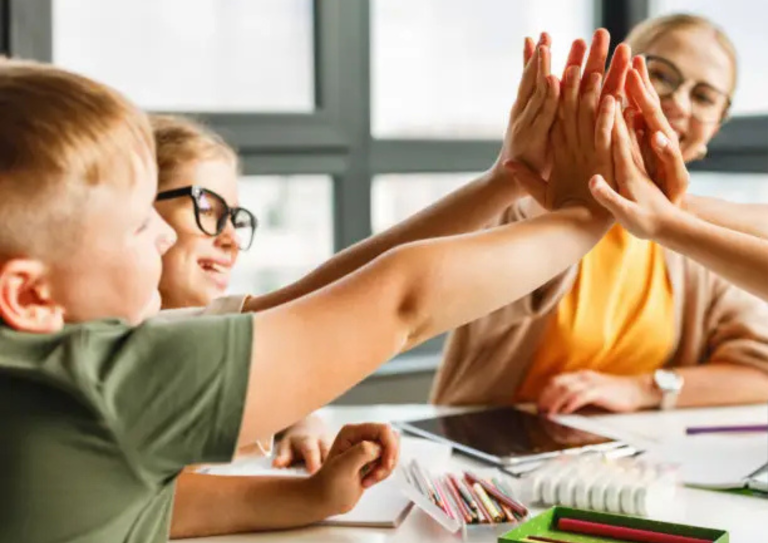
The exciting reality is that global learning is no longer reserved for the privileged few. Several pathways — digital and physical — now make world-class international education accessible to nearly every student.
1. Online learning platforms
Platforms like Coursera, edX, Khan Academy, and Duolingo connect students with world-class instructors from Harvard, MIT, and beyond — at little or no cost. A student in a small town can access the same content as one in a major metropolitan city.
2. Virtual exchange programs
Virtual exchanges pair students from different countries for shared projects, discussions, and collaborative learning — no passport required. Programs like iEARN and Stevens Initiative are doing this with remarkable success, building real friendships and cross-cultural understanding.
3. Study abroad and residential schools
For families seeking an immersive experience, residential institutions offer a powerful head start. Many Boarding Schools in India, for instance, now integrate internationally bench-marked curricula — like the IB (International Baccalaureate) — alongside cultural exchange programs that prepare students for a global future from an early age.
4. International curriculum at home
Schools offering IGCSE, Cambridge, or IB programs allow students to engage with a globally structured curriculum without leaving their home country. These frameworks emphasise inquiry, independent research, and international-mindedness by design.
Worth knowing: The IB Programme is offered in over 160 countries and is widely regarded as one of the most rigorous globally recognized credentials a student can hold before university.
The Role of Parents and Educators
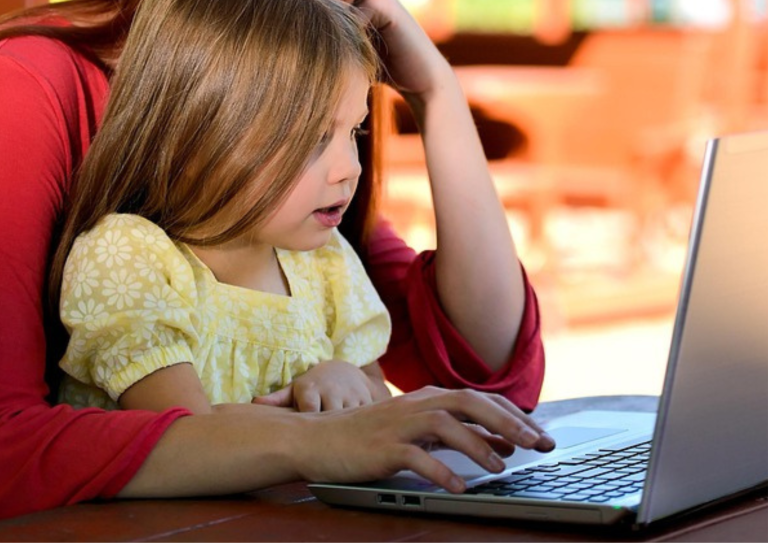
Students don’t find their way to global education on their own. Parents and educators play a critical role in opening those doors — and in many cases, widening them.
For parents
- Encourage curiosity about other cultures — through food, films, books, and conversations.
- Research schools and programs that offer international exposure, not just academic rankings.
- Normalize the idea of learning from people who think differently than you do.
For educators
- Bring global case studies and real-world problems into everyday lessons.
- Use technology to connect students with peers abroad — even a simple pen-pal exchange builds perspective.
- Celebrate linguistic diversity in the classroom; multilingualism is a skill, not a hurdle.
When parents and teachers work together with intention, global learning stops being an abstract ideal and becomes a lived daily experience for students.
Real Skills Global Learning Builds in Students
It’s easy to talk about global education in idealistic terms. But the concrete, measurable skills it develops are just as important — and far more practical.
- Adaptability: Students who’ve navigated different learning environments handle change with far less anxiety.
- Communication: Cross-cultural interactions sharpen listening, clarity, and tact in ways few classrooms can replicate.
- Problem-solving: Exposure to global challenges pushes students to think in systems, not just solutions.
- Confidence: Stepping outside familiar territory — even digitally — builds a quiet, earned self-assurance.
- Collaboration: Working across time zones, languages, and cultures makes teamwork instinctive rather than forced.
These aren’t skills that appear on a standardized test. But they are precisely the skills that shape careers, relationships, and lives.
Common Myths About Global Learning — Debunked
“It’s only for wealthy families”
Not anymore. Free online courses, virtual exchanges, and internationally accredited schools at varying fee structures have made this accessible to middle-income and even lower-income families worldwide.
“It distracts from academics”
Research consistently shows the opposite. Students engaged in global programs demonstrate higher motivation, stronger reading comprehension, and better critical thinking outcomes.
“My child is too young for this”
Children as young as six can begin developing international-mindedness through storytelling, world geography, and multicultural books. The earlier the exposure, the more naturally it takes root.
Conclusion
The world isn’t waiting for students to be ready. Global learning is the bridge between where a student stands today and where the world needs them to be tomorrow. Whether it starts with an online course, a virtual pen pal, or a school that looks outward as much as inward — every step matters. The textbooks were never the destination. They were always just the beginning.
FAQs
FAQ 1 —What is global learning for students?
Ans: Global learning is an educational approach that prepares students to think, communicate, and collaborate beyond their own culture and country. It combines international curricula, cross-cultural experiences, and real-world problem-solving to build students who are ready for a connected world.
FAQ 2 — How does global learning benefit students academically?
Ans: Students engaged in global learning develop stronger critical thinking, better communication skills, and higher motivation to learn. Research shows they consistently outperform peers in reading comprehension and problem-solving — making it a powerful academic advantage, not a distraction.
FAQ 3 — Is global learning only for students from wealthy families?
Ans: Not at all. Free online platforms like Coursera, Khan Academy, and virtual exchange programs make global learning accessible to students from all backgrounds. Many internationally accredited schools also offer scholarships and flexible fee structures.
FAQ 4 — At what age should students start global learning?
Ans: There is no minimum age. Children as young as five or six can begin through multicultural stories, world geography, and basic language exposure. The earlier a student starts, the more naturally global thinking becomes part of how they see the world.
FAQ 5 —How can students in India access global learning opportunities?
Ans: Students in India can access global learning through IB and Cambridge curriculum schools, online platforms, virtual exchange programs, and residential institutions. Several boarding schools in India now offer internationally benchmarked programs that prepare students for universities and careers worldwide.