

Education today is not only about academic achievement. Schools are also responsible for shaping responsible citizens who understand equality, dignity, and respect for others. In modern classrooms, students come from different cultures, beliefs, and backgrounds, making Human Rights Education more important than ever as it promotes respect, inclusion, and social awareness among learners.
Teaching young minds about fairness and mutual respect helps create safer and more inclusive school environments. It encourages students to think critically, communicate respectfully, and understand their responsibilities in society. As classrooms become more diverse and globally connected, schools are focusing on lessons that promote empathy and ethical decision-making alongside academic success.
Modern education systems now recognize that students must be prepared not only for careers but also for life in a democratic and interconnected world. This shift has increased the importance of meaningful discussions around social responsibility, equality, and justice within schools.
Understanding Human Rights Education
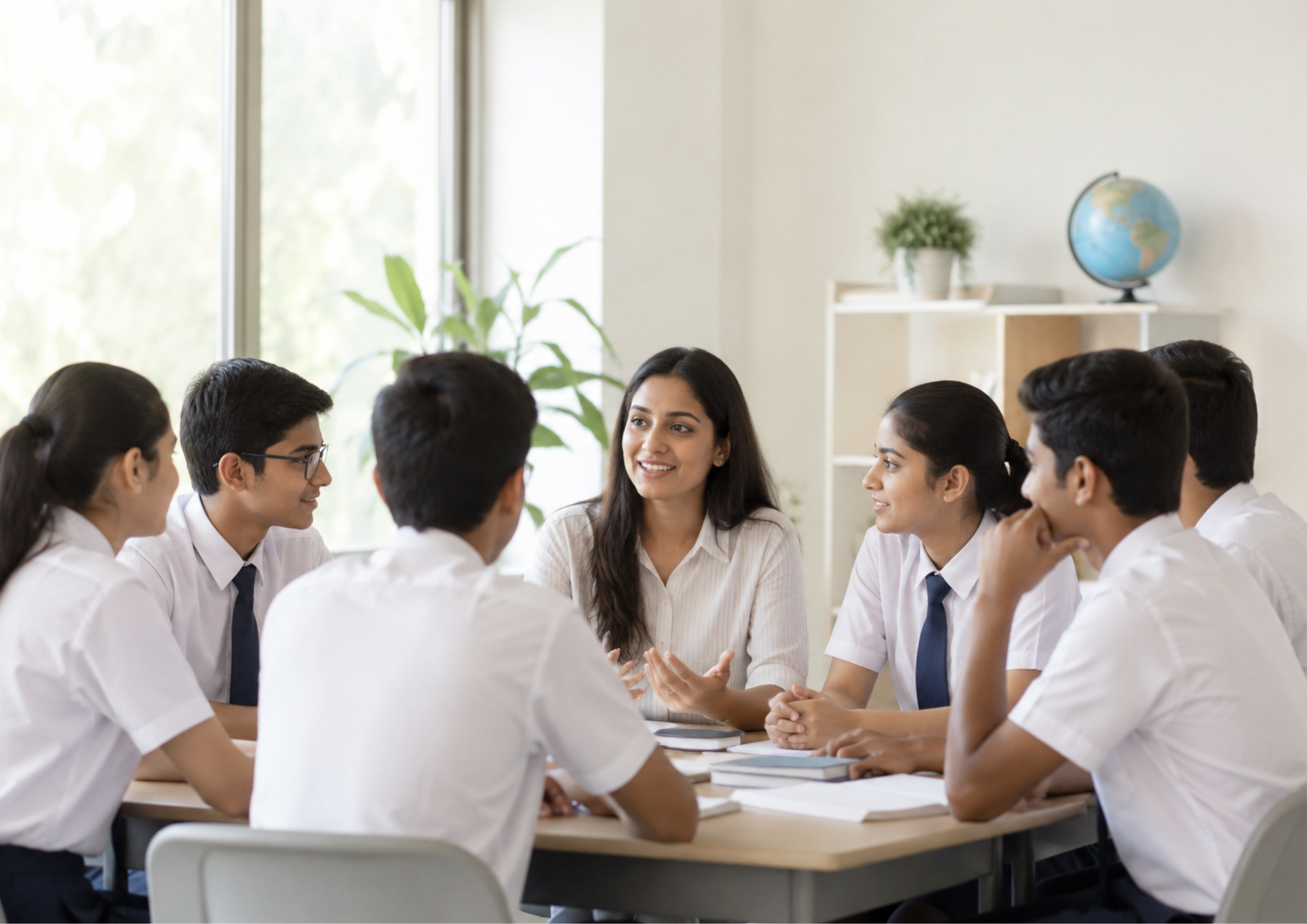
Human Rights Education helps students learn about basic freedoms, equality, dignity, and respect for all individuals. It introduces learners to universal values that encourage peaceful coexistence and responsible citizenship.
The purpose of this learning approach is not limited to memorizing laws or historical events. Instead, it helps students understand how fairness and respect apply in everyday life. Students learn how to communicate openly, appreciate diversity, and stand against discrimination or bullying.
In many schools, these lessons are integrated into subjects such as social studies, history, literature, and civic education. Teachers also encourage students to participate in discussions, teamwork activities, and community projects that strengthen social awareness.
Core Principles Students Learn
Students are introduced to several important values, including:
- Equality and fairness
- Respect for diversity
- Freedom of expression
- Responsibility toward others
- Peaceful conflict resolution
- Empathy and kindness
These principles help children develop stronger interpersonal skills and become more thoughtful members of society.
Why Human Rights Education Matters in Modern Classrooms
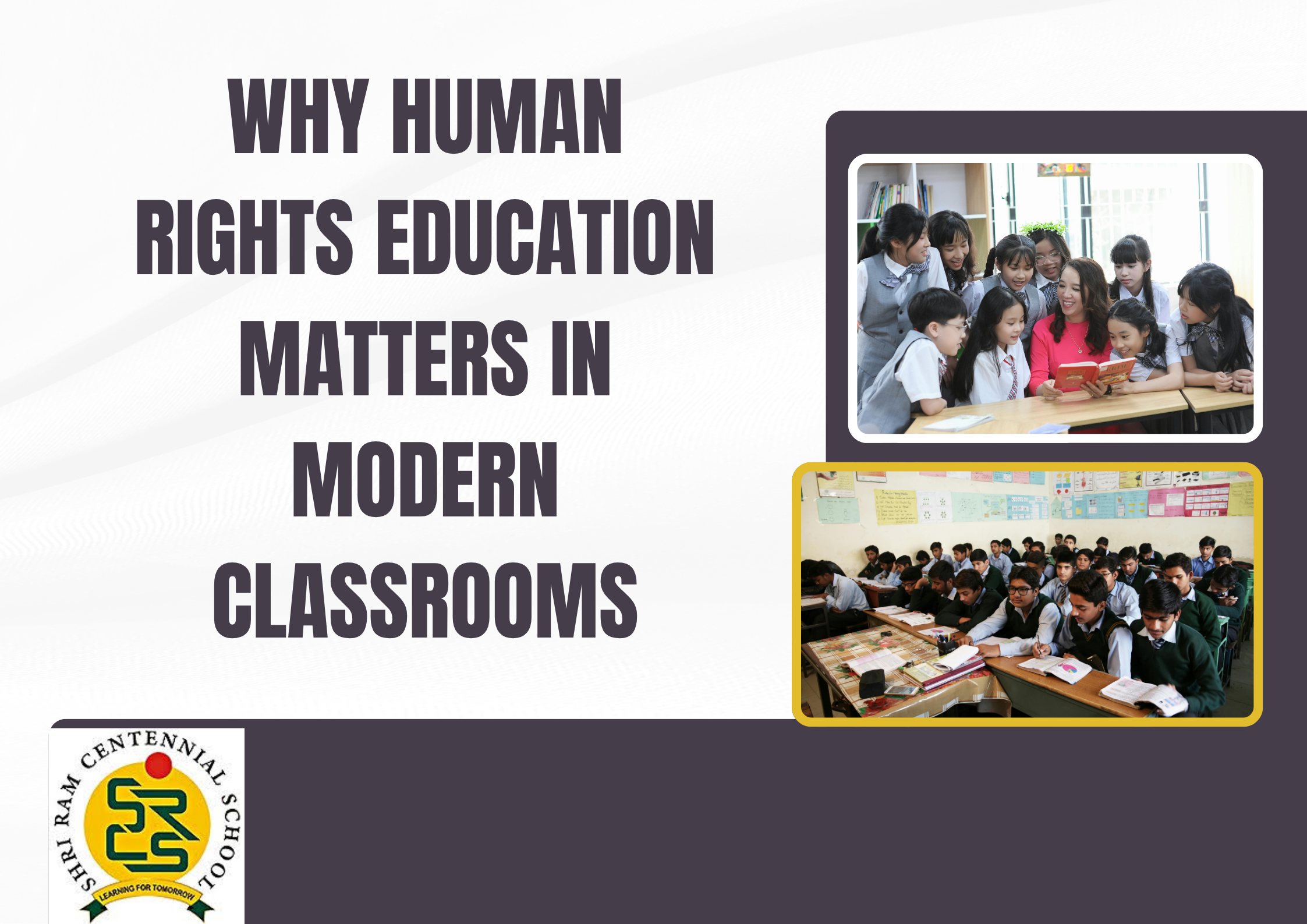
Modern classrooms are more culturally diverse and socially connected than ever before. Students interact with peers from different communities, languages, and traditions. Because of this, schools need educational approaches that encourage understanding and respect among learners.
Human Rights Education plays a major role in creating a positive learning atmosphere. It helps students understand the impact of discrimination, stereotypes, and exclusion. When children learn to respect different perspectives, classrooms become safer and more welcoming for everyone.
Another important benefit is improved student confidence. Learners who feel respected and included are more likely to participate actively in classroom discussions and collaborative activities. This contributes to stronger academic engagement and healthier peer relationships.
Teachers also benefit from value-based learning environments. Respectful classrooms often experience fewer behavioral conflicts, better communication, and stronger cooperation between students.
Encouraging Responsible Citizenship
Schools are preparing students for future roles in society. Beyond academic knowledge, children must learn how to make ethical decisions and contribute positively to their communities.
By understanding fairness, justice, and accountability, students become more aware of their responsibilities toward others. They learn how to solve disagreements peacefully, support equality, and participate respectfully in social discussions.
These lessons encourage young people to become active citizens who value compassion, cooperation, and civic responsibility.
The Role of Teachers in Building Inclusive Learning Environments
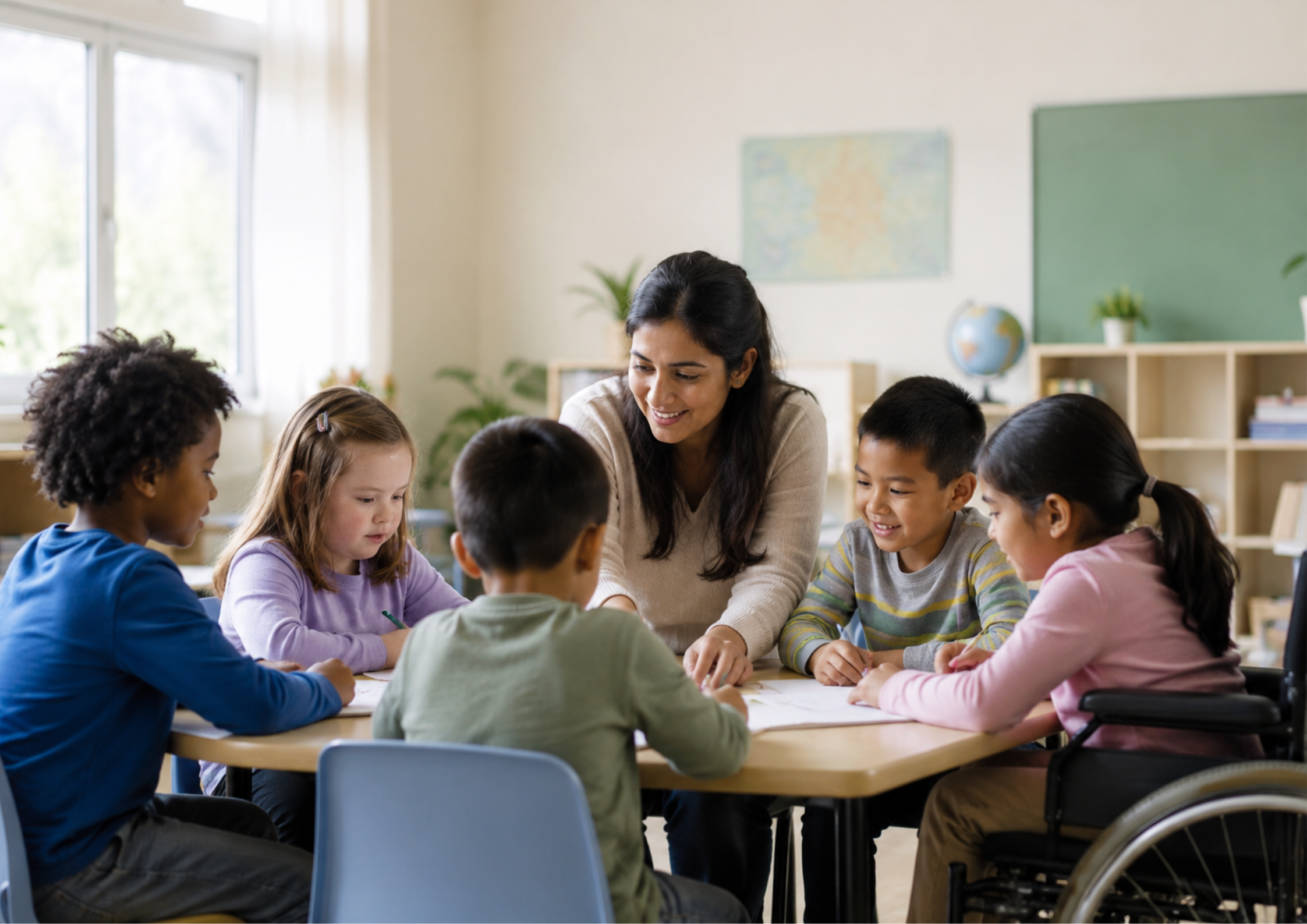
Teachers have a powerful influence on classroom culture. Their teaching methods, communication style, and classroom management practices shape how students interact with one another.
Educators can promote inclusive learning by:
- Encouraging open discussions
- Respecting diverse opinions
- Addressing bullying or discrimination quickly
- Using inclusive teaching materials
- Supporting equal participation in activities
Simple classroom practices can make students feel safe and valued. For example, group projects, storytelling activities, and collaborative learning exercises can help children understand different perspectives.
Teachers also serve as role models. When students observe fairness, patience, and respectful communication from educators, they are more likely to practice those behaviors themselves.
Creating Safe Spaces for Discussion
Modern students are exposed to social issues through media, technology, and online platforms. Schools can help learners process these topics in healthy and respectful ways.
Classroom discussions allow students to express opinions, ask questions, and understand multiple viewpoints. Safe learning environments encourage curiosity without fear of judgment or exclusion.
This approach improves critical thinking and communication skills while helping students become more socially aware.
Benefits of Human Rights Education for Students
Students gain both personal and academic advantages when values-based learning becomes part of school culture.
Improved Social Skills
Children learn how to communicate respectfully, cooperate with peers, and manage conflicts peacefully. These abilities strengthen friendships and teamwork.
Better Emotional Awareness
Understanding empathy and fairness helps students recognize emotions in themselves and others. Emotional awareness contributes to stronger mental and social well-being.
Stronger Critical Thinking
Students begin analyzing social issues more thoughtfully. They learn to question stereotypes, examine information carefully, and make balanced decisions.
Greater Respect for Diversity
Exposure to different perspectives teaches children to appreciate cultural, social, and personal differences rather than fear them.
Positive School Environment
Respectful classrooms often experience lower bullying rates and stronger student participation. Inclusive environments support both academic and emotional growth.
How Schools Can Integrate Human Rights Education Effectively
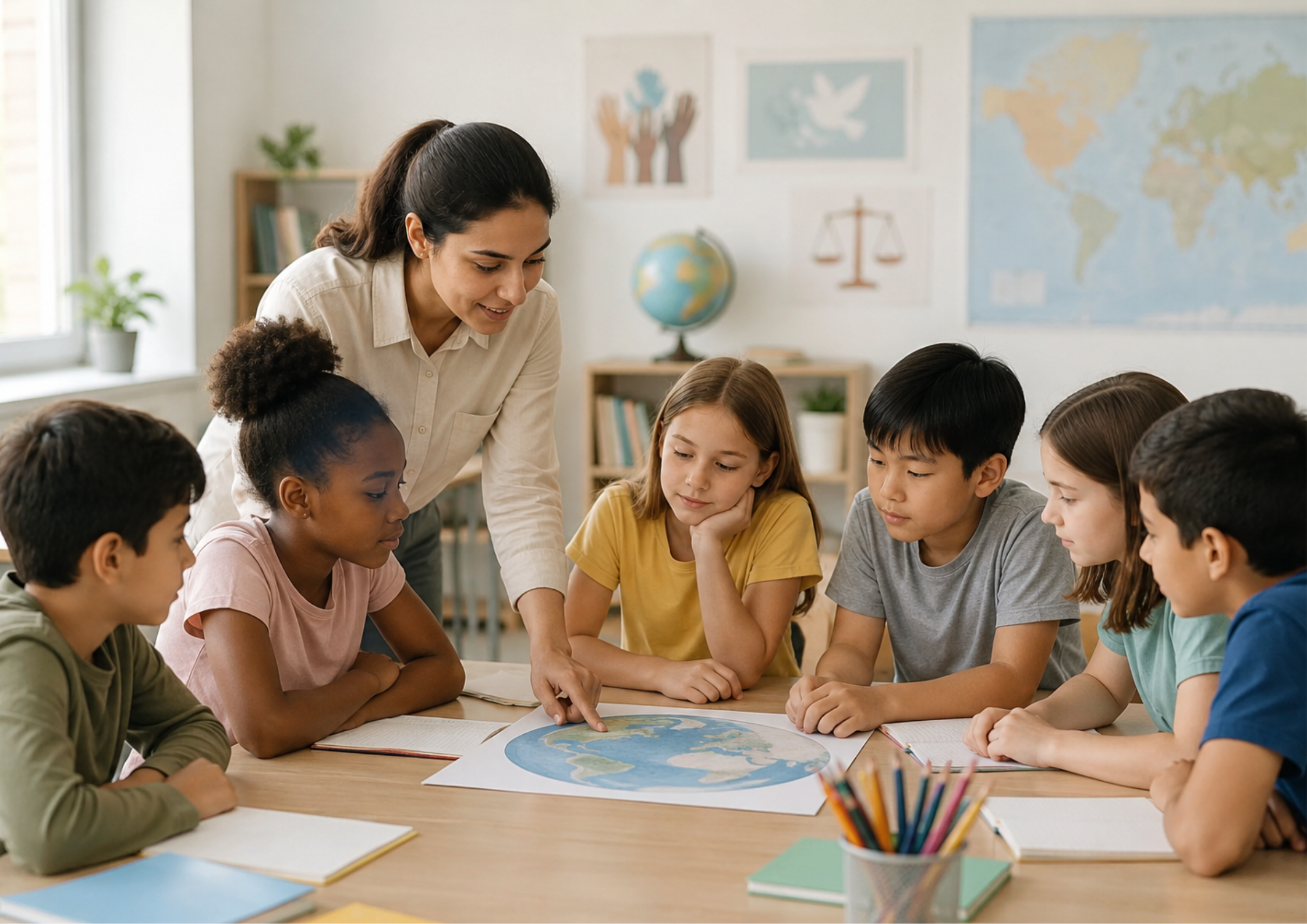
Schools do not always need separate subjects to teach these values. Many institutions successfully integrate them into everyday learning experiences.
Classroom Activities
Interactive activities help students understand concepts more effectively. Examples include:
- Group discussions
- Role-playing exercises
- Community service projects
- Debate sessions
- Collaborative learning tasks
These methods make lessons practical and relatable.
School Policies and Culture
A school’s environment should reflect the values it teaches. Clear anti-bullying policies, equal opportunities, and respectful communication practices reinforce positive behavior.
When students experience fairness within the school itself, lessons become more meaningful.
Parent and Community Involvement
Parents and communities also influence children’s understanding of fairness and respect. Schools can organize workshops, awareness programs, and collaborative events to encourage shared learning beyond the classroom.
Strong partnerships between schools and families create consistent guidance for students.
Challenges Schools May Face
Although values-based learning offers many benefits, schools may face certain challenges while implementing it effectively.
Limited Resources
Some schools may lack training materials or professional development opportunities for teachers.
Diverse Perspectives
Students and families may have different social or cultural viewpoints. Teachers need balanced and respectful approaches while discussing sensitive topics.
Curriculum Pressure
Academic performance requirements sometimes limit the time available for social learning activities. Schools must find practical ways to integrate these lessons naturally into existing subjects.
Despite these challenges, many educators recognize the long-term value of creating respectful and inclusive learning spaces.
The Future of Modern Education
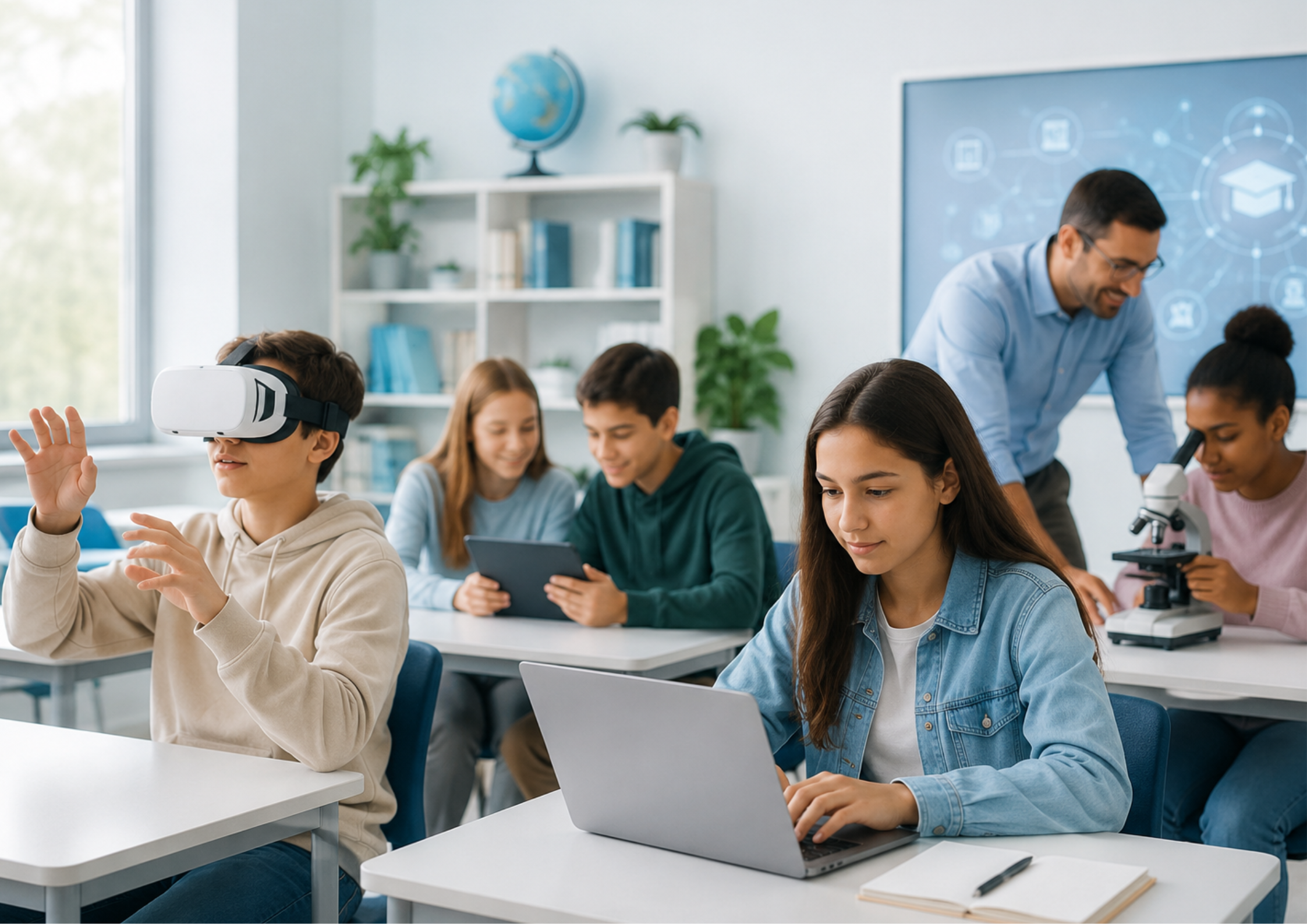
Education continues evolving to meet the needs of changing societies. Schools are no longer focused only on examinations and grades. Emotional intelligence, communication skills, and ethical understanding are becoming equally important.
Students entering the future workforce will need collaboration, empathy, adaptability, and problem-solving skills. Respectful learning environments help prepare them for these real-world responsibilities.
As technology connects people across cultures and countries, understanding fairness and diversity becomes even more valuable. Schools that encourage inclusive thinking help students grow into informed, compassionate, and responsible adults.
Conclusion
Modern classrooms shape not only academic success but also the character and values students carry into society. Schools that encourage empathy, fairness, and inclusion help children become respectful and socially aware individuals. By promoting meaningful discussions and responsible behavior, Human Rights Education supports healthier classrooms, stronger communities, and a more compassionate future for the next generation.