




The role of a debate competition in nurturing student development goes far beyond sharpening public speaking skills. It encourages critical thinking, builds self-confidence, and prepares students to engage with real-world issues effectively.
Many progressive Schools in Dehradun have integrated debate competitions into their academic calendar, understanding their deep impact on shaping articulate, informed, and socially aware individuals.
Understanding Debate Competitions

What is a Debate Competition?
Debate competitions are a significant part of a student’s academic and personal development. They encourage critical thinking, enhance public speaking skills, and boost confidence. Participating in debates equips students with the ability to articulate thoughts clearly, evaluate different perspectives, and engage in constructive discussions.
Formats of Debate Competitions
Debates can take various forms: Oxford-style debates, parliamentary debates, Lincoln-Douglas formats, and panel discussions. Each format emphasizes specific skills such as persuasive argumentation, collaboration, or impromptu thinking.
Academic Benefits of Debate Competitions

1. Enhances Communication Skills
Students improve verbal articulation, clarity, and persuasion, which are essential for both academic and professional life.
2. Builds Confidence
Participating in debates helps students overcome stage fright and communicate ideas effectively in front of an audience.
3. Encourages Critical Thinking
Debates require evaluating evidence, constructing arguments, and challenging assumptions, sharpening analytical skills.
4. Improves Research Skills
Students learn to gather, organize, and present information from credible sources, developing research efficiency.
5. Promotes Teamwork and Collaboration
Team-based debates teach cooperation, strategic planning, and coordination, which are valuable life skills.
Winning Strategies for Debate Competitions

1. Understand the Topic Thoroughly
Research the topic from multiple perspectives to prepare strong arguments and anticipate counterarguments.
2. Structure Your Speech
Organize your ideas logically with an introduction, main points, supporting evidence, and a conclusion.
3. Practice Delivery and Timing
Rehearse speeches to maintain clarity, confident tone, and effective use of allotted time.
4. Engage the Audience
Use eye contact, gestures, and rhetorical questions to connect with the audience and judges.
5. Counter Opposing Arguments
Listen actively to opponents and respond thoughtfully, maintaining composure and credibility.
6. Continuous Improvement
Seek feedback after each debate to refine arguments, presentation, and overall performance.
Personality Development Through Debate

Builds Confidence and Eloquence
Standing up in front of peers and articulating a viewpoint can be daunting. However, students who regularly engage in debates learn to conquer stage fright. With each debate, they gain confidence and become more eloquent communicators.
Encourages Self-Discipline
Debating requires preparation, practice, and poise. Students must manage time, stay focused, and stick to structure—qualities that reinforce self-discipline and reliability.
Enhances Emotional Maturity
Debates sometimes touch on sensitive or controversial topics. Engaging in respectful discourse helps students build empathy, understand differing opinions, and respond with emotional intelligence.
Social and Interpersonal Growth

Fosters Teamwork
In most formats, debate competitions involve teams. Students must work closely with their teammates, divide research tasks, and support each other’s arguments. This experience builds collaboration and cooperation.
Cultivates Leadership
Roles like team leader or primary speaker teach responsibility and decision-making. Students gain hands-on leadership experience and learn how to manage both people and ideas effectively.
Promotes Respectful Dialogue
By participating in structured arguments, students learn to disagree respectfully and avoid personal attacks. They practice active listening and fair-minded communication—skills critical for a healthy democracy.
Real-Life Applications

Prepares for Future Careers
Skills honed in a debate —public speaking, critical thinking, quick reasoning—are valuable in many professions, including law, politics, teaching, journalism, and management. Students also become better negotiators and presenters in everyday life.
Enhances College Applications
Participation in debate competitions shows initiative, intellect, and commitment. College admissions committees often view debaters favorably, as it reflects a well-rounded, articulate, and analytical candidate.
Promotes Civic Engagement
Debaters stay informed about current affairs, social justice, and policy matters. They are more likely to vote, volunteer, and engage in their communities as adults.
Role of Schools and Teachers
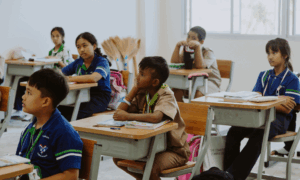
Regular Debate Sessions
Schools should host monthly or term-based debate competitions to make the practice consistent. Integrating debates into classroom activities—such as discussing opposing viewpoints during literature or social studies lessons—also promotes debate culture.
Organizing a debate competition around current national or local issues can make learning more relevant and engaging.
Teacher Mentorship and Training
Teachers play a pivotal role in helping students develop debating skills. They guide research, refine arguments, offer feedback, and instill ethical communication practices. Training teachers in debate facilitation can have a long-term impact on school culture.
Inclusivity and Encouragement
Not all students are natural speakers. Schools should make debate competitions inclusive, offering introductory workshops, peer mentoring, and non-competitive events to encourage broader participation.
How to Prepare for a Debate Competition
-
Choose a topic wisely: Understand both sides of the argument
-
Do thorough research: Use books, academic journals, and verified online sources
-
Practice public speaking: Rehearse in front of a mirror or friends
-
Build logical structure: Start with strong points and end with compelling conclusions
-
Be respectful: Disagree with ideas, not people
Conclusion
Debate competitions are more than just contests; they are platforms for students to develop essential life skills. By participating actively, students gain confidence, enhance communication, and strengthen critical thinking abilities. With proper strategies and practice, excelling in debates becomes an achievable goal, opening doors to academic and professional success.
As seen in many Schools in Dehradun and beyond, promoting debate competitions equips students with the confidence and competence to face challenges both inside and outside the classroom.
Encouraging this practice ensures that education isn’t just about memorizing facts, but about learning how to think, question, and lead.
FAQs
1. What is the primary goal of a debate competition?
Ans: The primary goal is to enhance critical thinking, public speaking, and analytical skills among students.
2. How can debate competitions improve communication skills?
Ans: They provide a platform for students to articulate ideas clearly and confidently in front of an audience.
3. Are debate competitions team-based or individual?
Ans: Debates can be both team-based and individual, depending on the competition format.
4. How should students prepare for a debate?
Ans: Students should research the topic, structure arguments, practice delivery, and anticipate counterarguments.
5. Why are debate competitions important for students?
Ans: They foster intellectual growth, leadership qualities, and an understanding of diverse perspectives.



I couldn’t agree more that debate competitions go beyond public speaking. The critical thinking and self-confidence students gain from these experiences are invaluable and help them become well-rounded individuals ready for the real world.
What I love about debate competitions is how they teach students to engage in respectful discourse. In a world that often seems divided, fostering the ability to listen and debate effectively is invaluable.
This post hits on a key point—critical thinking. With so much information coming at students today, learning to analyze and form reasoned opinions through debate is more important than ever.