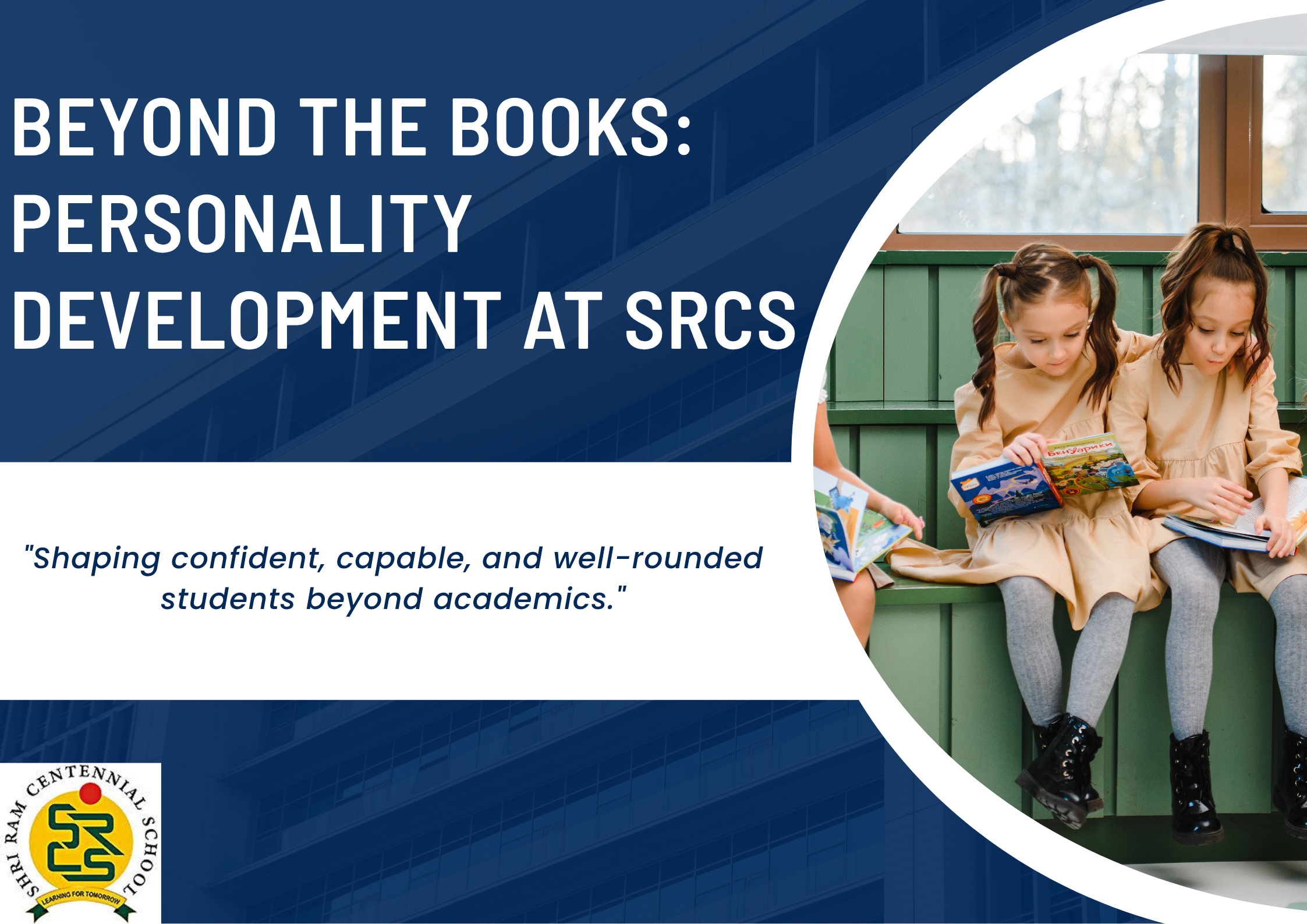






In today’s fast-changing world, the foundation of a student’s success is not just academic knowledge but also strong moral values. Moral values for students are essential for shaping their character, guiding their decisions, and preparing them for a responsible life ahead.
Schools in Dehradun, known for their balanced education, emphasize teaching these values alongside academics to nurture well-rounded individuals. This article explores the top 5 moral values for students that can help them succeed in life.
Why Moral Values Matter for Students

Moral values act as a foundation for personal and social development. They influence how students think, behave, and interact with others.
Students who grow up with strong values tend to:
- Make better decisions
- Build healthy relationships
- Handle challenges with confidence
- Develop leadership qualities
Whether a child studies in a school in India or any global education system, values remain universal and essential.
Top 5 Moral Values for Students

1. Honesty
Honesty is the cornerstone of all moral values for students. Being truthful builds trust between peers, teachers, and family. When students are honest, they learn to take responsibility for their actions and gain respect from others. Schools that focus on nurturing honesty prepare students for lifelong success.
Teaching Honesty
Teachers and parents can encourage honesty by creating an environment where students feel safe admitting mistakes without fear of punishment. Role models who demonstrate honesty also inspire students to follow suit.
2. Respect
Respect for others, including teachers, classmates, and elders, is a vital moral value. Respecting diversity and different opinions promotes a peaceful and collaborative environment. Students who practice respect develop empathy and social skills essential for personal and professional success.
Cultivating Respect
Schools in Dehradun often integrate lessons on cultural awareness and mutual respect through group activities and discussions, helping students appreciate differences and work together harmoniously.
3. Responsibility
Teaching students to be responsible helps them understand the consequences of their actions. Responsibility encourages self-discipline, punctuality, and accountability—traits highly valued in school and beyond. Students who embrace responsibility are proactive in their learning and life.
Encouraging Responsibility
Assigning classroom duties and involving students in decision-making fosters a sense of ownership. Responsibility grows as students learn to manage their time and commitments effectively.
4. Compassion
Compassion, or kindness towards others, is a moral value that promotes community and support. Compassionate students are more likely to help peers, understand others’ struggles, and contribute positively to society. This value builds emotional intelligence and strengthens social bonds.
Promoting Compassion
Community service projects and group counseling sessions in schools teach students the importance of helping others and being sensitive to their needs.
5. Perseverance
Perseverance is the moral value of staying committed despite challenges. Students who learn to be persistent are more resilient and motivated to achieve their goals. This value helps students overcome setbacks and maintain a positive attitude toward learning and life.
Fostering Perseverance
Celebrating small achievements and encouraging students to view failures as learning opportunities nurture perseverance. Schools in Dehradun often emphasize growth mindset principles to help students develop this value.
How Schools Support Moral Values for Students

Schools play a crucial role in embedding moral values for students through curriculum, activities, and culture. Character education programs, ethical discussions, and extracurricular activities provide practical experiences to reinforce these values. Schools in Dehradun combine academic excellence with moral education, creating an environment where students grow into responsible citizens.
Benefits of Strong Moral Values for Students

-
Improved Relationships: Moral values help students build meaningful connections based on trust and respect.
-
Better Academic Performance: Students with strong ethics tend to be disciplined and focused, resulting in better grades.
-
Positive Social Impact: Students who uphold moral values contribute to a kinder, more just society.
-
Lifelong Success: Moral values prepare students for ethical leadership and decision-making in their personal and professional lives.
Conclusion
Moral values for students are essential pillars for success in all areas of life. Honesty, respect, responsibility, compassion, and perseverance equip students to navigate challenges with integrity and confidence.
Schools in Uttarakhand, especially in educational hubs like Dehradun, exemplify the importance of integrating moral education into daily learning, ensuring students grow academically and morally. By fostering these values early, educators help shape individuals who are not only successful but also responsible contributors to society.
Frequently Asked Questions (FAQs)
1. Why are moral values important for students?
Moral values help students build character, make better decisions, and develop positive relationships.
2. What are the top moral values every student should learn?
Honesty, discipline, respect, responsibility, and empathy are the most important values.
3. How can parents teach moral values at home?
Parents can teach values through daily behavior, open communication, and positive reinforcement.
4. What role do teachers play in value education?
Teachers guide students through examples, classroom behavior, and structured activities.
5. At what age should moral values be taught?
Moral values should be introduced early in childhood and reinforced throughout life.