



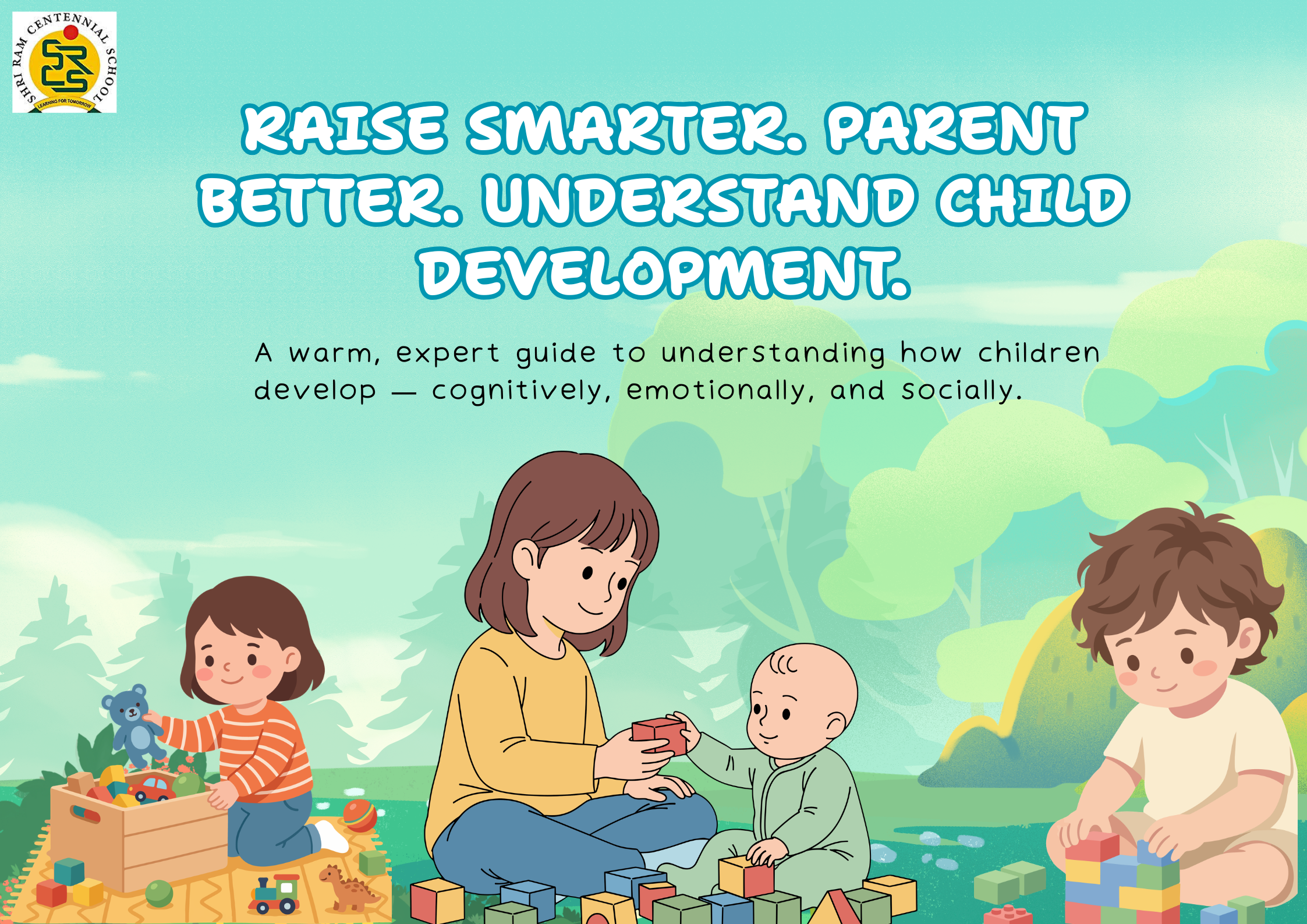
Every child grows at their own pace — and that is perfectly normal. However, certain universal patterns guide the way children learn, feel, think, and relate to the world around them. These patterns are what experts call the principles of child development.
Whether you are a parent watching your toddler discover new words, a teacher helping a student grasp a difficult concept, or an educator building a curriculum from scratch — understanding these principles makes a profound difference. It shifts the focus from “why isn’t my child doing this yet?” to “what does my child need right now?”
This guide breaks down the key principles in simple language, with practical insights that apply at home, in the classroom, and in everyday life.
Development is not a race. It is a journey that unfolds differently for every child — shaped by biology, environment, relationships, and experience. The goal is not to speed it up, but to support it wisely.
The Core Principles of Child Development
Researchers and child development experts have identified several foundational principles that explain how children grow. These principles apply across cultures, learning environments, and age groups.
1. Development Follows a Predictable Sequence
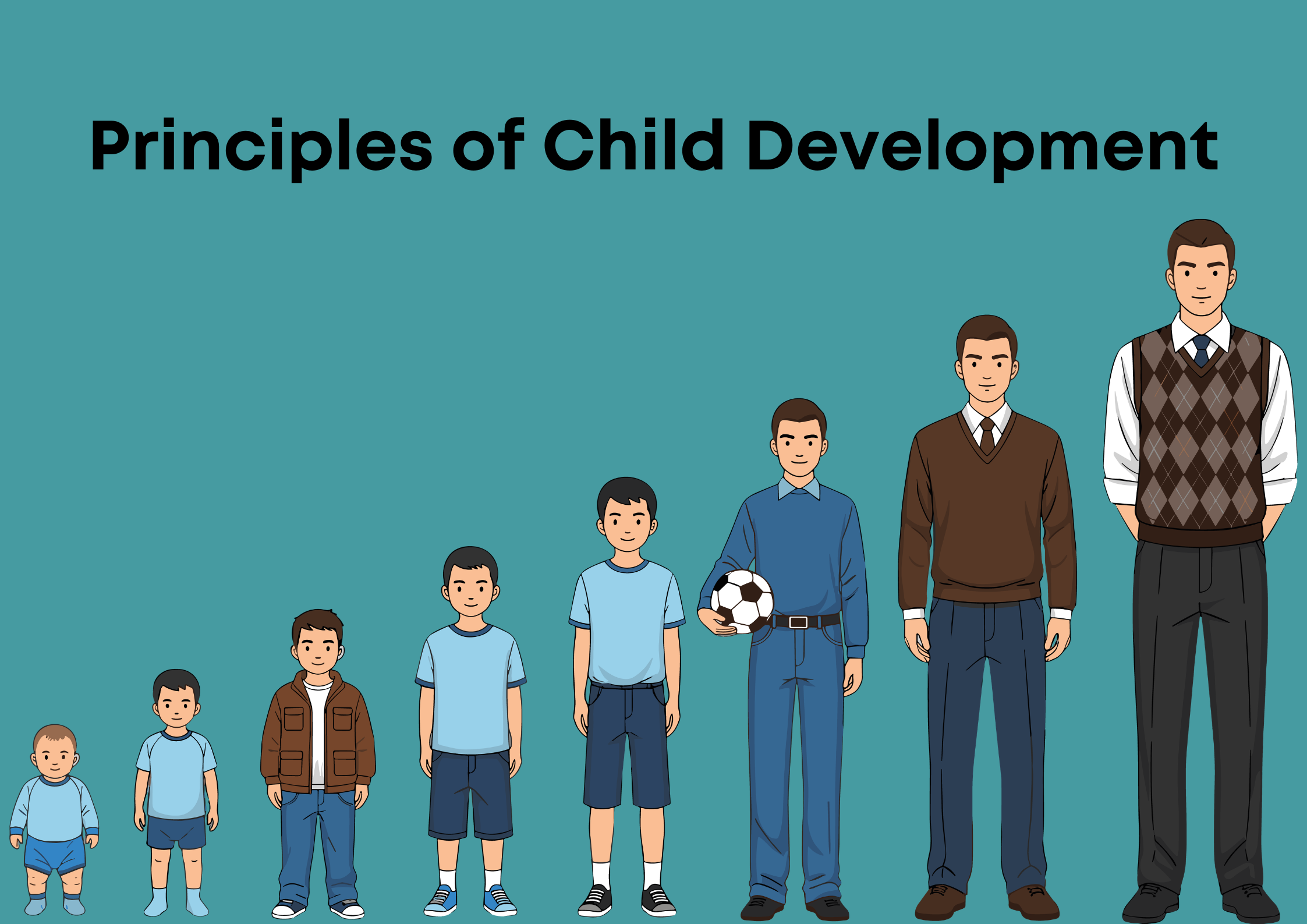
Children reach milestones in a fairly consistent order — even if the timing varies. A baby learns to sit before standing, and stands before walking. Similarly, children understand simple words before constructing full sentences. This sequential pattern is universal and gives educators and parents a reliable roadmap to follow.
2. Development Is Continuous but Uneven
Growth happens all the time — but not always at the same speed. There are rapid bursts of learning followed by quieter phases of consolidation. Parents often notice this when a child suddenly seems to “get” something after weeks of struggling. These natural rhythms should never be mistaken for stagnation.
3. All Areas of Development Are Interconnected
Cognitive, physical, emotional, and social development do not happen in separate boxes. A child who feels emotionally secure learns more easily. A child who gets adequate physical activity tends to concentrate better in class. This interconnection is why holistic approaches to early childhood education consistently produce better outcomes.
4. Every Child Is Unique
Biology, temperament, family background, and environment all shape how a child develops. Two children of the same age in the same classroom can be at very different developmental stages — and both can be entirely healthy. Recognising this prevents unnecessary anxiety and fosters acceptance.
5. Early Experiences Have a Lasting Impact
The early years — from birth to age eight — are considered the most critical window for brain development. Positive experiences during this period build stronger neural pathways, better emotional regulation, and a healthier sense of self. This is why quality early education matters so deeply.
- Sequential Growth : Skills build on each other in a reliable order across all children, regardless of background.
- Individual Pace : No two children develop at the same speed variation is healthy and normal.
- Holistic Connection : Physical, cognitive, social, and emotional growth are deeply linked to one another.
- Environmental Influence : Home, school, culture, and relationships actively shape how a child develops.
The Four Key Domains of Child Development
Child development specialists typically study growth across four interconnected domains. Understanding each one helps caregivers and educators provide the right kind of support.
| Domain | What It Covers | Example Milestone |
|---|---|---|
| Cognitive | Thinking, problem-solving, memory, language, reasoning | A 5-year-old counting objects or recognising letters |
| Physical | Gross motor skills, fine motor skills, body coordination | A toddler learning to climb stairs or hold a pencil |
| Social | Relationships, communication, cooperation, empathy | A child learning to share toys or take turns in a game |
| Emotional | Self-awareness, emotional regulation, resilience, confidence | A child identifying feelings and managing frustration calmly |
Benefits of Applying Developmental Principles in Education
When teachers and schools actively incorporate these principles into their teaching methods, the results are visible and meaningful. Forward-thinking institutions — including leading ICSE boarding schools in India build their academic frameworks around child development science rather than rote learning alone.
The benefits are wide-ranging:
- Better academic outcomes — Children who receive developmentally appropriate instruction retain knowledge more effectively.
- Stronger emotional intelligence — Understanding emotional growth helps children navigate relationships and challenges confidently.
- Reduced anxiety and stress — When expectations match developmental readiness, children experience less academic pressure.
- Greater creativity and curiosity — Play-based and inquiry-driven learning, aligned with developmental stages, sparks genuine interest in learning.
- Healthier teacher-student relationships — Educators who understand development respond with empathy rather than frustration.
How Schools Can Support Healthy Child Development
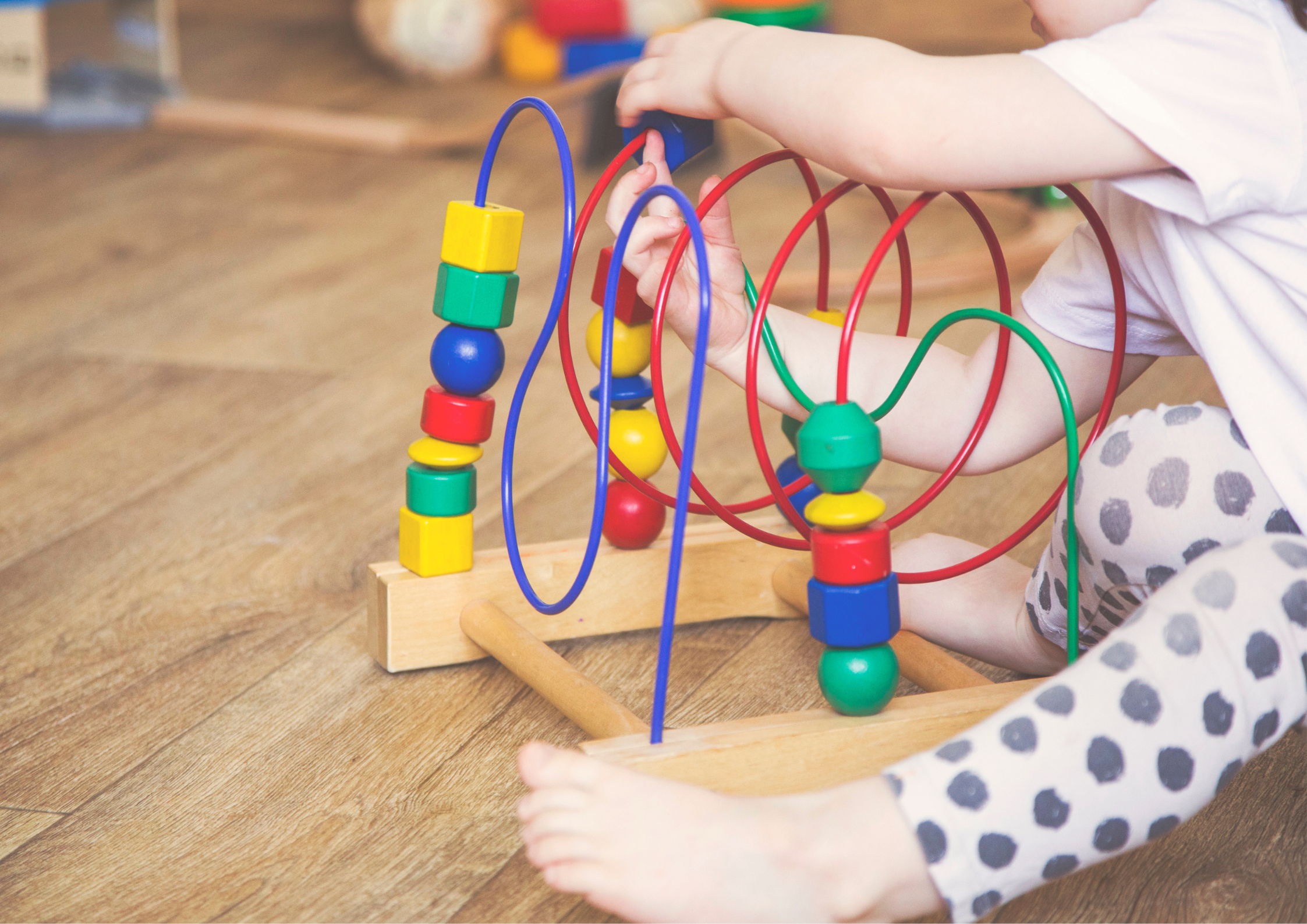
A child’s school environment is one of the most powerful influences on their development. The best schools do not just focus on academic achievement — they cultivate the whole child.
Developmentally Appropriate Curriculum
A good school designs its curriculum to match the cognitive and emotional readiness of students at each age. For example, introducing abstract mathematics before a child has developed logical reasoning skills leads to confusion — not competence. Schools in Uttarakhand, especially those offering residential programmes, increasingly adopt child-centred approaches that prioritise understanding over memorisation.
Structured Learning Strategies
One powerful academic method gaining ground in progressive schools is the SQ3R Method — Survey, Question, Read, Recite, and Review. This strategy aligns beautifully with how children actually process information. It encourages active engagement rather than passive reading, which significantly improves comprehension and long-term retention.
Social-Emotional Learning (SEL)
Schools that embed SEL into their daily routine see children who are better equipped to handle conflict, manage emotions, and build meaningful friendships. These are not “soft skills” they are the foundation of a healthy, productive adult life.
Teacher Training and Awareness
Teachers who understand the principles of child development approach the classroom differently. They set realistic expectations, notice early warning signs of developmental delays, and respond to challenging behaviour with curiosity rather than punishment.
Common Challenges in Supporting Child Development
Despite the clarity that developmental science provides, applying these principles in real life comes with genuine challenges.
- Comparison culture — Social media and peer pressure push parents to compare children constantly, creating unnecessary worry.
- Academic pressure — Many families, particularly in competitive urban areas, push children toward academic performance before they are developmentally ready.
- Screen time and sedentary habits — Excessive screen time can interfere with physical activity, sleep, and social interaction all critical to healthy development.
- Inconsistency between home and school — When expectations at home and school are misaligned, children experience confusion and anxiety.
- Under-resourced environments — Not every child has access to stimulating, nurturing environments. Poverty and neglect remain major barriers to healthy development globally.
The Role of Parents in Child Development
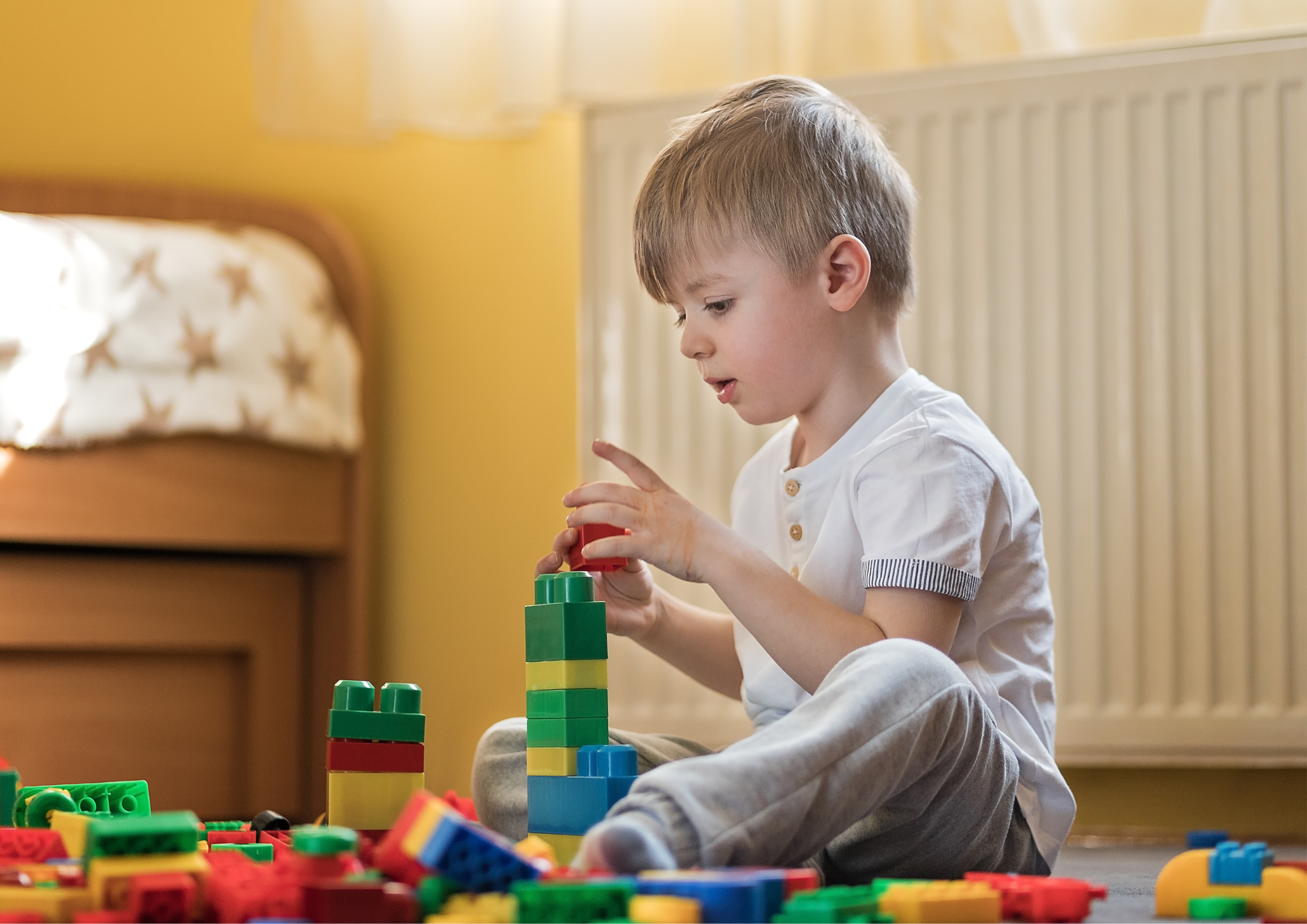
Parents are a child’s first teachers and the home is a child’s first school in India and anywhere else in the world. The quality of the parent-child relationship sets the emotional tone for all future learning and relationships.
Research consistently shows that children thrive when parents:
- Respond warmly and consistently to their emotional needs
- Read with them regularly and engage in open-ended conversations
- Allow unstructured play and free exploration
- Set clear, kind, and consistent boundaries
- Model healthy emotional regulation themselves
- Celebrate effort rather than results alone
These everyday interactions are not small they are the building blocks of a child’s brain, identity, and future capacity to learn.
Conclusion: Development Is the Destination
The principles of child development are not academic abstractions. They are practical, evidence-backed guides that transform the way adults support children at home, in schools, and in communities.
When parents and educators understand that development is sequential, holistic, and deeply individual, they stop chasing a one-size-fits-all ideal. Instead, they learn to meet each child exactly where that child is.
The most important thing any adult can do for a child is this: pay attention, stay patient, and trust the process. Development, when properly supported, has an extraordinary way of unfolding beautifully and in its own time.