

Growing up is rarely straightforward. Between academics, social pressures, and the constant push to “figure out your future,” students today carry more on their shoulders than ever before. Yet one thing remains true across generations — how a young person develops their character, confidence, and communication style shapes their entire life trajectory.
This is exactly why personality development for students has become a topic that parents, educators, and school administrators are taking more seriously than ever. It is not just about being likeable or well-spoken. It runs far deeper than that.
What Does Personality Development Actually Mean?
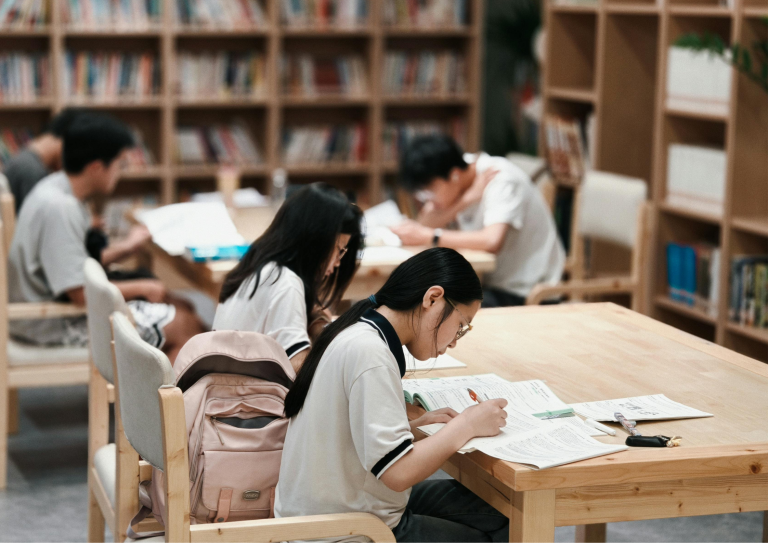
Personality development is the ongoing process of building the qualities, habits, and mindsets that define how a person thinks, behaves, and connects with others. For students, this includes how they handle failure, speak in public, collaborate with peers, manage emotions, and pursue goals.
It is not something that happens overnight. And it is certainly not a one-size-fits-all formula. But with the right environment and consistent guidance, every student — regardless of background — can grow into a confident, capable individual.
Did you know? Research in developmental psychology consistently shows that non-cognitive skills like grit, empathy, and self-regulation are stronger predictors of long-term success than academic grades alone.
Personality Development for Students: Why It Starts Early
The foundation of a child’s character is laid remarkably early in life. Studies in child development confirm that the habits, attitudes, and emotional patterns formed between ages 3 and 8 have a lasting impact on adult behavior. This early stage plays a crucial role in shaping personality development for students, helping children build confidence, communication skills, discipline, and positive social values that support lifelong success.
This is why preschool education plays such a vital role — not just in academic readiness, but in shaping curiosity, empathy, social skills, and resilience from the very beginning. Schools that invest in social-emotional learning at an early stage tend to produce students who are better equipped to handle challenges in later years.
Parents, too, have a significant role. Simple daily habits — encouraging children to express their feelings, praising effort over results, and modeling respectful communication — plant seeds that grow over time.
Core Areas of Focus in Student Personality Development
1. Building Self-Confidence
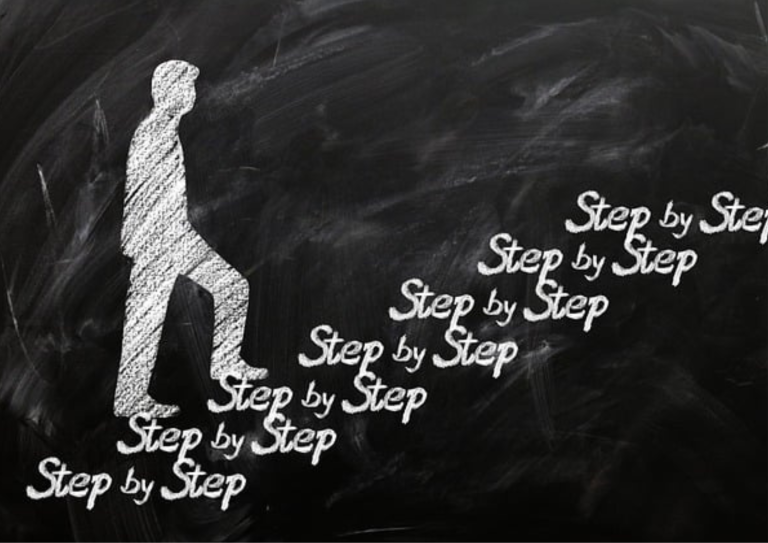
Confidence does not come from being the smartest person in the room. It grows through effort, learning, and experience. In personality development for students, confidence is built when students step out of their comfort zones, face small challenges, and learn from both success and failure. Activities like public speaking, joining clubs, participating in class presentations, and teamwork help students develop self-belief and prepare them to handle real-life situations with courage and positivity.
2. Communication and Social Skills
The ability to express thoughts clearly and listen actively is one of the most sought-after qualities in adults — and it starts developing in school years. Students who work on their communication skills find it easier to build friendships, collaborate on group projects, and eventually navigate professional environments.
3. Emotional Intelligence
Students high in emotional intelligence (EQ) tend to manage stress better, resolve conflicts more peacefully, and maintain stronger relationships. Teaching students to name their emotions, practise empathy, and regulate their reactions is as important as any subject on the curriculum.
4. Leadership and Responsibility
Leadership is not reserved for class monitors or sports captains. Every student has the capacity to lead — whether that is leading a discussion, taking initiative on a project, or standing up for a classmate. When schools and families encourage responsibility and initiative, students learn that their actions matter.
5. Time Management and Discipline
A student who learns to plan their day, prioritise tasks, and follow through on commitments is developing one of life’s most valuable skills. These habits do not come naturally to most young people — they need to be taught, practised, and modelled by the adults around them.
The Role of Schools and Structured Environments
The environment where a student spends most of their time has a profound influence on who they become. Schools that weave personality development into their everyday culture — through structured activities, mentoring, peer learning, and positive reinforcement — produce noticeably more well-rounded graduates.
In India, boarding schools in India have long been recognised for their role in shaping character alongside academics. The structured residential environment encourages independence, discipline, teamwork, and leadership — qualities that classroom education alone often cannot instil at the same depth.
Whether residential or not, schools that invest in holistic development give students a meaningful edge — not just for university admissions, but for life.
For Parents: Look beyond grades when evaluating a school’s quality. Ask: Does this school value curiosity? Does it teach children how to handle conflict? Does it encourage students to discover their strengths?
Practical Tips to Support Personality Development at Home
Parents often wonder how much influence they truly have on their child’s personality once school life takes over. The answer: a great deal. Here are a few approaches that genuinely work:
- Have real conversations. Ask open-ended questions — not just “how was school?” but “what made you think today?” or “did anything challenge you?”
- Let them struggle a little. Resist the urge to solve every problem immediately. Productive struggle builds resilience and problem-solving confidence.
- Celebrate character, not just achievement. Praise kindness, honesty, persistence, and effort — not only trophies and test scores.
- Model the traits you want to see. Children learn more from observation than instruction. Show them what healthy communication, self-discipline, and empathy look like in everyday life.
- Encourage extracurriculars. Sports, arts, debate, community service — these spaces develop skills that textbooks simply cannot teach.
How Technology and Modern Pressures Are Reshaping Student Identity
Today’s students face a unique challenge that previous generations did not: the constant pressure of social media, comparison culture, and an always-online world. Many students quietly struggle with self-worth, anxiety, and a feeling that they are never quite “enough.”
This makes intentional personality development for students more critical than ever. Schools and families that acknowledge these modern pressures — and teach students how to navigate them with self-awareness and resilience — are equipping young people with tools that will serve them for decades.
Digital literacy, managing screen time, recognising the difference between online persona and real identity — these are now essential parts of modern character development.
Final Thoughts: Invest in the Person, Not Just the Student
Academic qualifications open doors, but personality walks through them. The student who knows how to communicate, adapt, lead, and empathise will thrive across careers, relationships, and life’s inevitable challenges — long after textbooks are forgotten.
Whether you are a parent trying to guide a child, an educator shaping a classroom culture, or a student figuring out who you are — understand this: growth is always possible. It requires awareness, practice, and the right support system.
Investing in personality development for students is not an extracurricular nicety. It is the most important education any young person can receive.
FAQs
FAQ 1 Q: What is personality development for students?
Ans: It is the process of building skills like confidence, communication, and emotional intelligence that help students succeed in life beyond academics.
FAQ 2 Q: At what age should personality development begin?
Ans: It should start as early as age 3–8, but students can grow and improve at any age with the right guidance.
FAQ 3 Q: How can parents help in personality development?
Ans: By talking openly with children, praising effort, letting them face small challenges, and encouraging activities like sports, debate, or arts.
FAQ 4 Q: What are the most important traits to develop?
Ans: Confidence, communication, emotional intelligence, leadership, time management, and resilience.
FAQ 5 Q: Do schools play a role in personality development?
Ans: Yes. Schools that focus on character building, teamwork, and social skills produce more well-rounded and confident students.