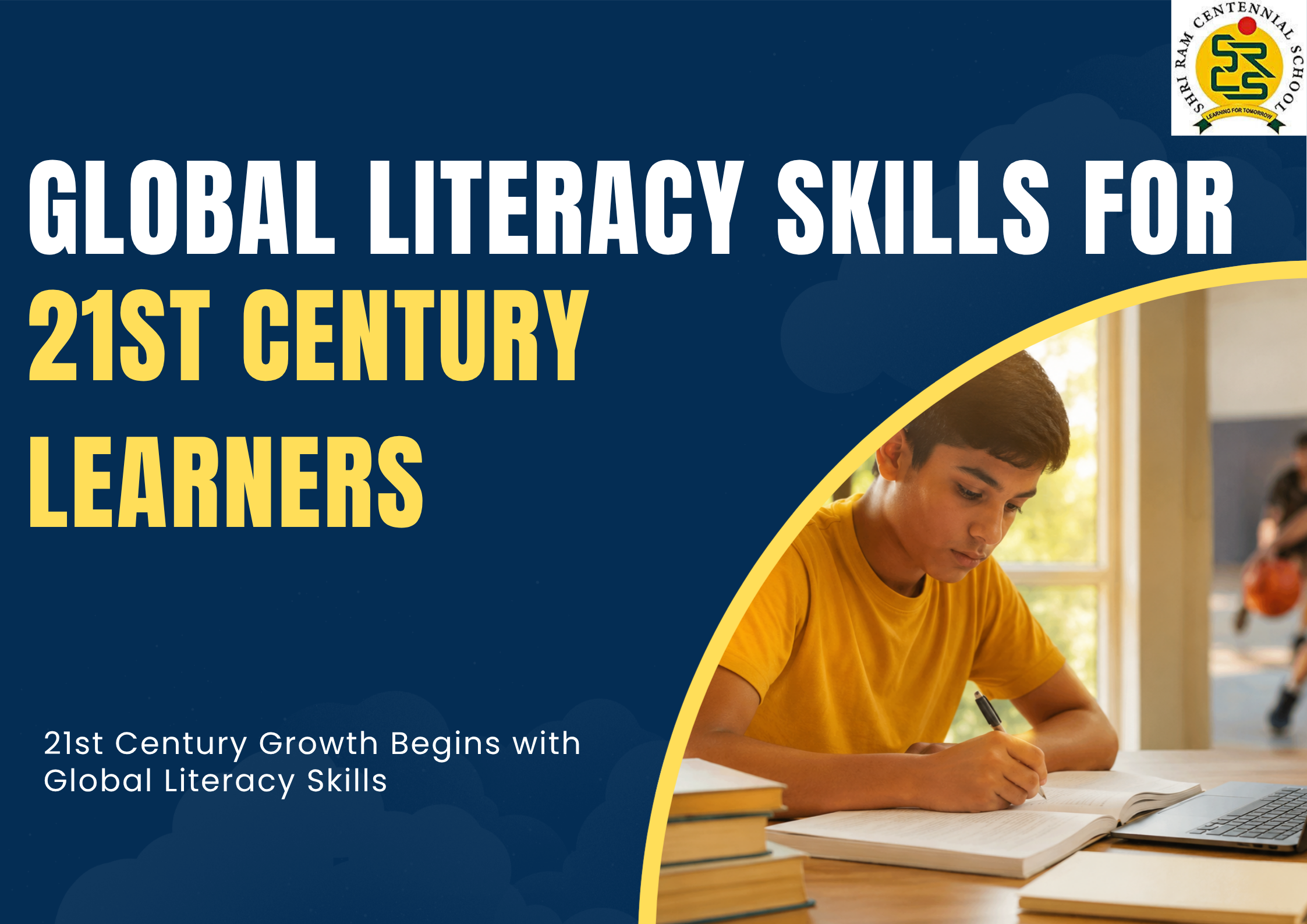
The world is changing faster than any classroom textbook can keep up with. Children today will grow up to work in careers that don’t yet exist, communicate across cultures in real time, and make decisions in an increasingly complex global environment. That’s exactly why educators, parents, and policymakers are rethinking what it means for a student to be truly “educated.”
At the heart of this shift lies a powerful concept — global literacy skills. These are the tools that help young learners not just read and write, but understand, engage with, and contribute meaningfully to the world around them.
What Are Global Literacy Skills?
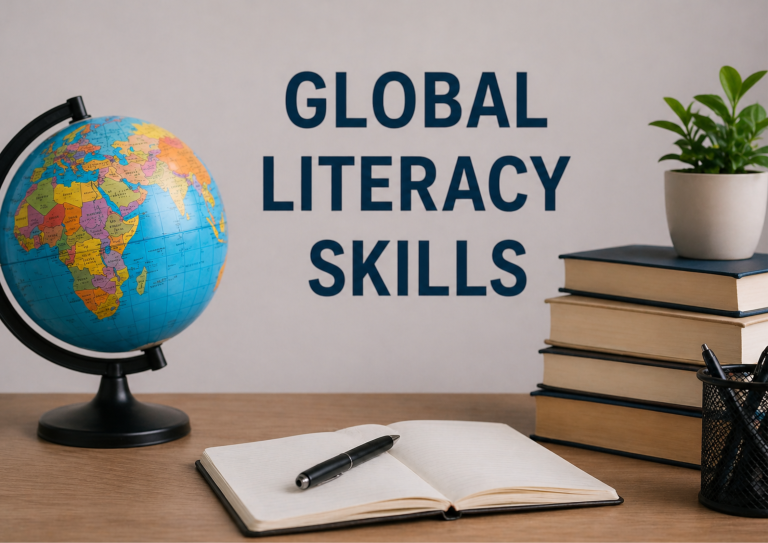
Simply put, global literacy skills refer to a broad set of competencies that prepare students to thrive in a connected, diverse, and rapidly evolving world. They go far beyond reading comprehension or language proficiency.
These skills typically include:
- Cultural awareness — understanding and respecting perspectives from other countries and communities
- Digital fluency — navigating technology responsibly and critically
- Media literacy — evaluating sources, spotting misinformation, and consuming content thoughtfully
- Multilingual communication — the ability to engage across language barriers
- Critical thinking — analysing problems from multiple angles before drawing conclusions
- Environmental and civic awareness — understanding global challenges like climate change and inequality
Why Global Literacy Skills Matter for Students Today
Consider what today’s students will face as adults. Job markets are international. Social media connects them to billions of people. Climate, health, and economic issues don’t respect borders. The ability to navigate this complexity — confidently and ethically — starts in school.
Research consistently shows that students who develop strong global literacy skills are better communicators, more adaptable problem-solvers, and more engaged citizens. They’re also more likely to succeed in higher education and professional environments that increasingly prize cross-cultural competence.
The Role of Early Education
Foundations matter enormously. Children are natural learners, and the habits of curiosity, empathy, and critical thinking form early. This is why preschool education has become a key focus for educators working to embed global awareness from the very beginning.
When young children are introduced to stories from different cultures, songs in multiple languages, and diverse characters in their learning materials, they begin to see the world as something rich and inclusive rather than narrow and familiar. These early experiences lay the groundwork for lifelong global literacy.
How Schools Are Responding
Across the country — and indeed, around the world — schools are integrating global competency frameworks into their curricula. From project-based learning that explores real-world issues to international exchange programmes and collaborative digital projects with schools in other countries, the classroom is expanding well beyond its four walls.
Some institutions have taken this even further. Boarding schools in India, for instance, have long offered immersive, multicultural environments that naturally cultivate global literacy — students live and learn alongside peers from different states, backgrounds, and sometimes even different countries. The residential model encourages collaboration, independence, and cultural exchange in ways that day schools often cannot.
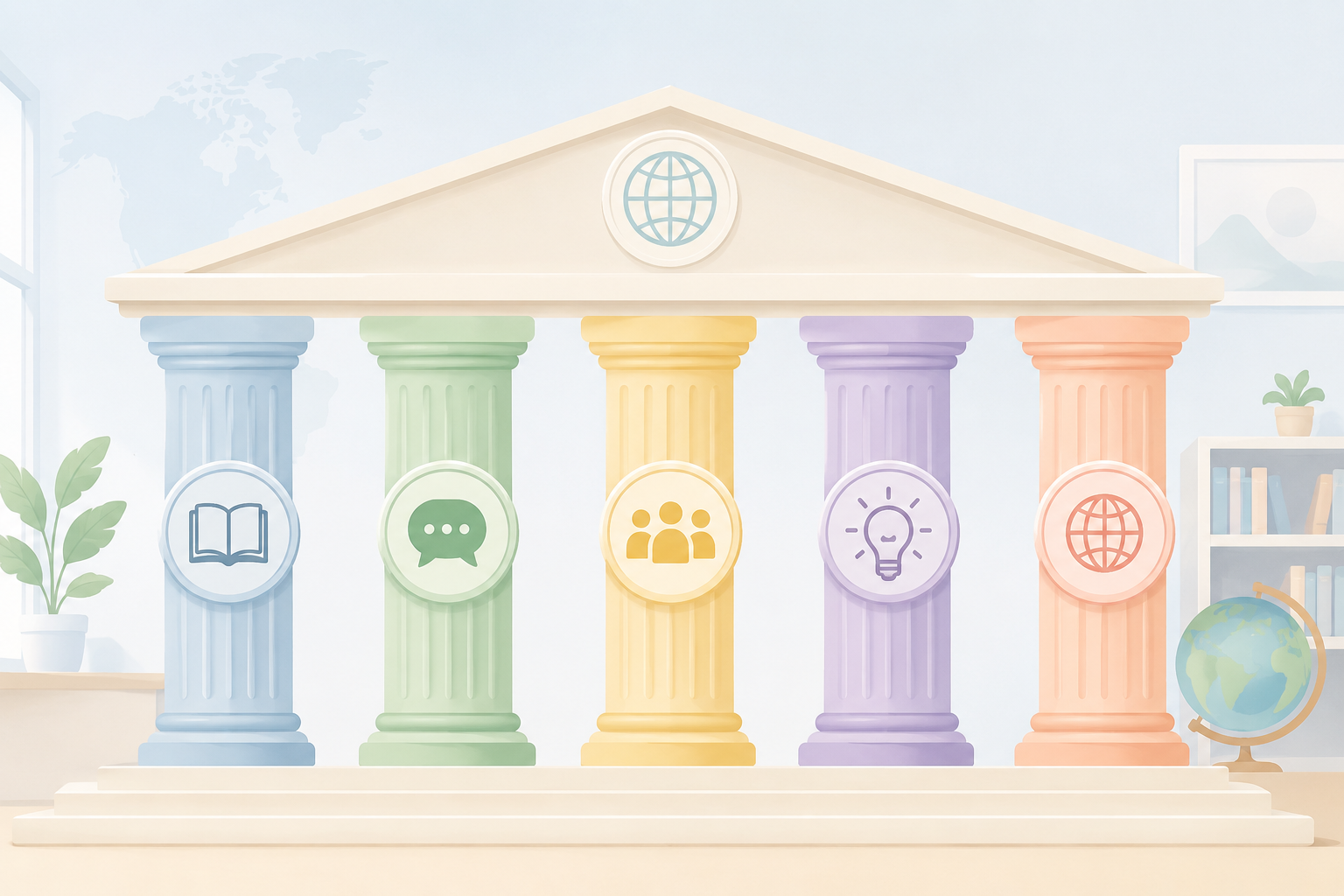
Core Pillars of Global Literacy Skills in the Classroom
1. Language and Communication
Language is the most direct gateway to another culture. Learning a second or third language isn’t just a cognitive exercise — it rewires the brain to hold multiple perspectives simultaneously. Schools that prioritise multilingual education give students an enormous advantage in global communication and empathy.
2. Digital and Media Literacy
In a world flooded with content, the ability to critically assess what we read and watch is essential. Teaching students to identify credible sources, question narratives, and understand how media shapes opinion is a non-negotiable part of modern education. This aspect of global literacy skills is perhaps the fastest-growing in relevance.
3. Intercultural Competence
This goes beyond tolerance. Intercultural competence means genuinely engaging with cultures different from one’s own — celebrating differences, recognising shared humanity, and collaborating effectively across cultural boundaries. It’s a skill that employers, universities, and communities actively seek.
4. Environmental and Social Responsibility
Global literacy isn’t only about language or media. It also includes understanding our shared global responsibilities. Students who grasp the realities of climate change, poverty, and inequality are better positioned to be thoughtful participants in shaping solutions.
How Parents Can Support Global Literacy at Home
Teachers can’t do it alone. Parents play a critical role in reinforcing global literacy outside the classroom. Here are some practical ways to help:
- Read books and watch films from different cultural backgrounds together
- Explore world cuisines and discuss where dishes originate
- Encourage your child to follow global news in age-appropriate formats
- Support language learning apps or classes beyond what school offers
- Talk openly about current global events and your own values
The Long-Term Benefits of Building Global Literacy Skills
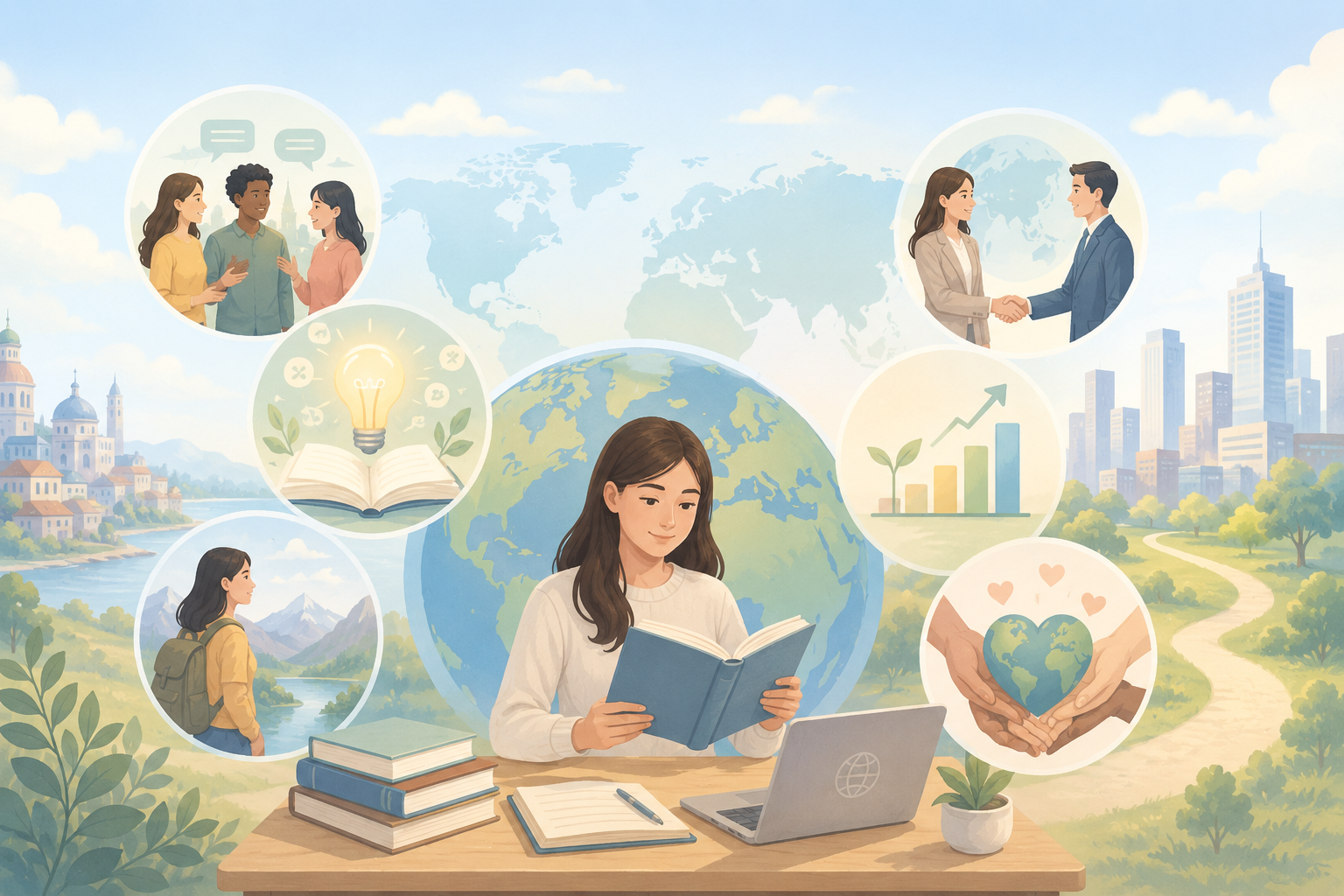
Students who graduate with well-rounded global literacy skills don’t just find better jobs — they live richer, more connected lives. They’re able to form friendships across cultures, handle complexity with grace, and contribute meaningfully to communities both local and global.
For educators, the opportunity is immense. Every lesson, every project, and every conversation is a chance to help a young person see the world a little more clearly and engage with it a little more bravely.
Final Thoughts
Education has always been about preparing children for the world ahead. But the world ahead is more interconnected, more fast-paced, and more demanding than ever before. Global literacy skills are no longer a bonus — they are the baseline.
Whether you’re a parent wondering how to help your child, an educator redesigning your curriculum, or a student beginning to ask bigger questions — the journey toward global literacy is one of the most worthwhile you can take.
The future belongs to those who understand it. Start building that understanding today.
FAQS
Q1. What are global literacy skills?
Ans. They are skills that help students understand the world — like thinking critically, using technology wisely, and respecting different cultures.
Q2. Why do students need these skills?
Ans. Because the world is connected. Students who understand different cultures and ideas do better in school, work, and life.
Q3. When should children start learning them?
Ans. As early as possible. Even young children can learn through stories, songs, and activities from different parts of the world.
Q4. How can parents help at home?
Ans. Read books from different cultures, watch world documentaries together, and talk openly about current events in simple terms.
Q5. Do these skills help with future jobs?
Ans. Yes. Employers love people who can communicate well, work with others, and adapt to change — all part of global literacy.