

Communication skills are one of the most important life skills that students need for academic success, personal growth, and future careers.
Strong communication skills help students express their thoughts clearly, build relationships, participate in group activities, and become confident leaders.
Boarding schools in Dehradun, like many others, follow this traditional system where classrooms are designed to impart academic learning, with less emphasis on communication skills or emotional intelligence.
Boarding schools in Dehradun have recognized this shift, and many are adapting their curriculums to focus more on empowering students with the right tools for effective communication.
What Are Communication Skills?
Communication skills are the abilities used to share ideas, information, feelings, and opinions with others.
Good communication involves:
- Speaking clearly
- Listening carefully
- Writing effectively
- Understanding body language
- Expressing thoughts with confidence
Students with strong communication skills are better able to perform in school, make friends, and prepare for future opportunities.
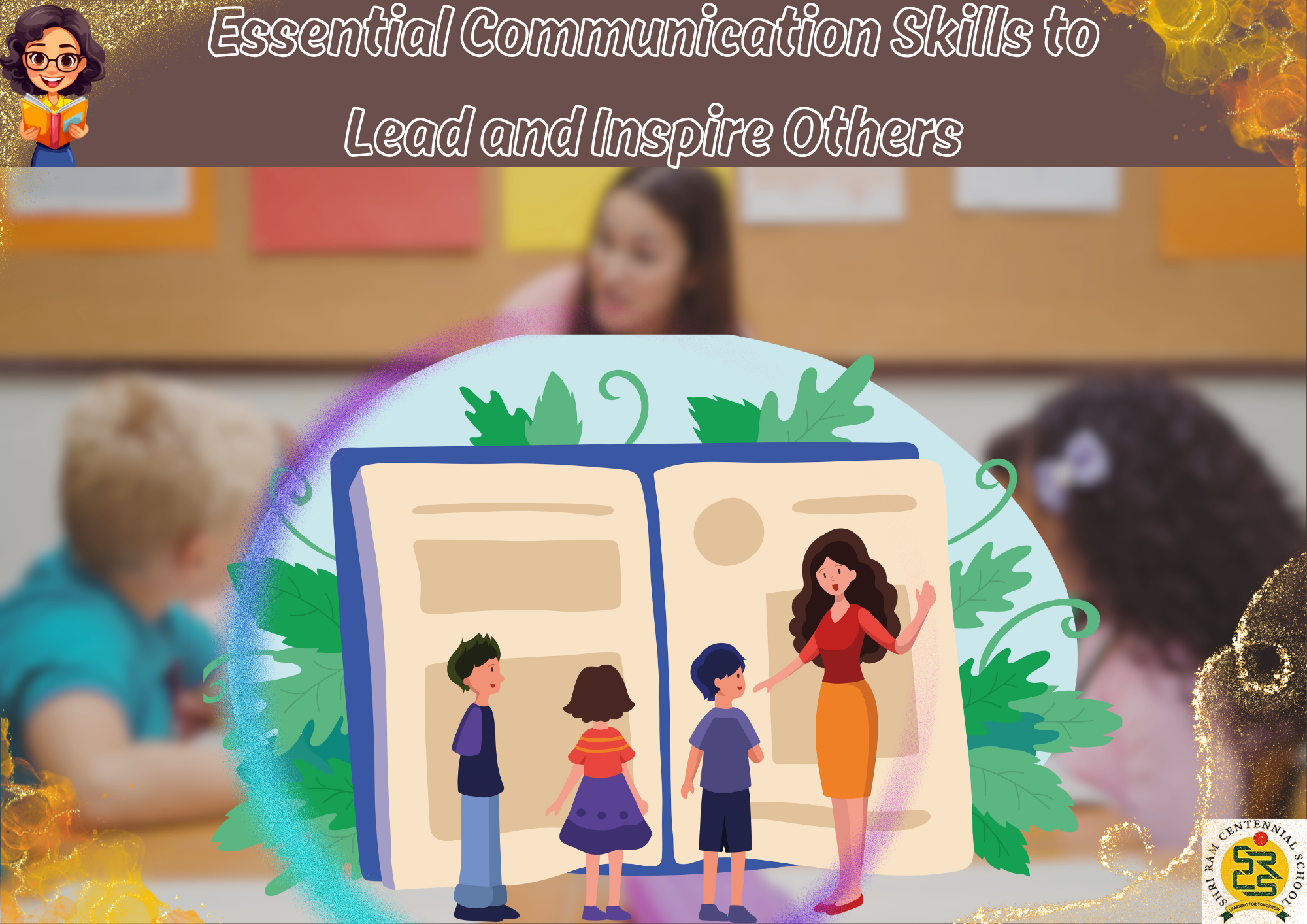
Essential Communication Skills to Lead and Inspire Others

In today’s fast-paced and interconnected world, the importance of communication skills cannot be overstated. Whether you are a student, teacher, or parent, the ability to communicate effectively is fundamental to success.
For students, developing communication skills is not only important for academic achievement but also for personal growth and leadership. These skills are key to building relationships, influencing others, and making an impact on the community. As future leaders, students must learn how to communicate effectively to lead and inspire others.
1. Active Listening: A Foundation of Effective Communication
Effective communication begins with active listening. The ability to listen attentively and respond thoughtfully is a crucial communication skill. In classrooms or boarding schools in Dehradun, students are often encouraged to engage in discussions where active listening is vital. By truly understanding the perspectives of others, students can respond more empathetically, fostering a positive learning environment. Active listening shows respect and builds trust, which are essential qualities for any leader.
2. Non-Verbal Communication: Expressing Through Actions
While words are important, non-verbal communication often speaks louder than what is said. Body language, facial expressions, and tone of voice are all essential aspects of communication skills that can influence how messages are received.
For students in boarding schools in Dehradun, becoming aware of their non-verbal cues can help them express confidence, establish rapport, and create meaningful connections with their peers and teachers. Leaders who excel in communication skills understand the power of non-verbal signals and use them to reinforce their message and motivate others.
3. Clarity and Conciseness: Making Your Message Count
In today’s world, information overload is a common challenge. Therefore, clarity and conciseness are key communication skills that every student should master. Whether in a classroom setting or in everyday interactions, being able to convey ideas simply and effectively makes communication more impactful.
Leaders who are able to express their thoughts clearly are more likely to inspire and motivate others. Boarding schools in Dehradun are increasingly focusing on helping students develop the ability to present their ideas succinctly, both in writing and speaking.
This ensures that students can effectively convey their thoughts, leading to greater influence in group settings.
4. Emotional Intelligence: Connecting with Others on a Deeper Level
Another essential aspect of communication skills is emotional intelligence (EI). EI is the ability to recognize, understand, and manage emotions in oneself and others. It plays a critical role in fostering strong relationships and building trust, which are necessary for leadership.
Students in boarding schools in Dehradun are encouraged to hone their emotional intelligence, as it helps them navigate complex social situations and resolve conflicts in a healthy manner. Leaders who possess high emotional intelligence are able to connect with others on a deeper level, making them more effective communicators and inspirational figures.
5. Adaptability: Tailoring Your Message to the Audience
Effective communicators are adaptable and able to tailor their messages to suit different audiences. This requires understanding the needs, preferences, and emotional states of the people you are communicating with.
For students, this is an essential communication skill that can make a big difference when interacting with teachers, peers, or parents. In a leadership context, adaptability allows a leader to connect with diverse groups of people, inspiring them with messages that resonate with their values and experiences.
Boarding schools in Dehradun often promote the development of this adaptability through various activities, such as group projects and leadership training, where students learn how to communicate effectively in diverse environments.
6. Confidence: Speaking Up and Leading the Way
Confidence is one of the most important communication skills that students need to develop in order to lead and inspire others. When students have confidence in their ideas and abilities, they are more likely to express themselves clearly and assertively.
This confidence is contagious and can inspire others to follow their lead. Boarding schools in Dehradun often provide students with opportunities to take on leadership roles in extracurricular activities, where they can practice speaking in front of groups, leading discussions, and making decisions with confidence.
Students who develop this skill will be better equipped to face challenges and inspire others to take action.
Types of Communication Skills
1. Verbal Communication
Verbal communication means speaking clearly and confidently.
This includes:
- Classroom discussions
- Public speaking
- Group presentations
- Conversations with teachers and friends
Good verbal communication helps students express their thoughts and ideas effectively.
2. Non-Verbal Communication
Non-verbal communication includes body language, eye contact, facial expressions, posture, and gestures.
Students should learn how to use positive body language because it shows confidence and respect.
3. Listening Skills
Listening is one of the most important communication skills.
Students who listen carefully understand instructions better and respond more effectively.
Active listening means:
- Paying attention
- Not interrupting
- Understanding the speaker
- Asking relevant questions
4. Written Communication
Written communication includes essays, emails, assignments, and notes.
Students with good writing skills can explain their ideas more clearly.
5. Emotional Communication
Emotional communication means understanding feelings and responding in a respectful way.
Students with emotional intelligence can build stronger relationships and handle conflicts more effectively.
Conclusion
Communication skills are essential for students because they help them express themselves, build relationships, and become confident individuals.
In every school in India, students should be encouraged to improve their speaking, listening, writing, and presentation skills.
At Shri Ram Centennial School Dehradun, communication development is considered an important part of student success.
By developing strong communication skills from an early age, students can prepare themselves for a brighter future and become better leaders.
Frequently Asked Questions
Why are communication skills important for students?
Communication skills help students express ideas clearly, build confidence, and improve academic performance.
What are the main types of communication skills?
The main types are verbal, non-verbal, written, listening, and emotional communication.
How can students improve communication skills?
Students can improve communication skills through reading, public speaking, listening, and participating in group activities.
Why is listening important in communication?
Listening helps students understand others better and respond more effectively.
How do communication skills help in future careers?
Strong communication skills help students perform better in interviews, teamwork, leadership roles, and professional life.