
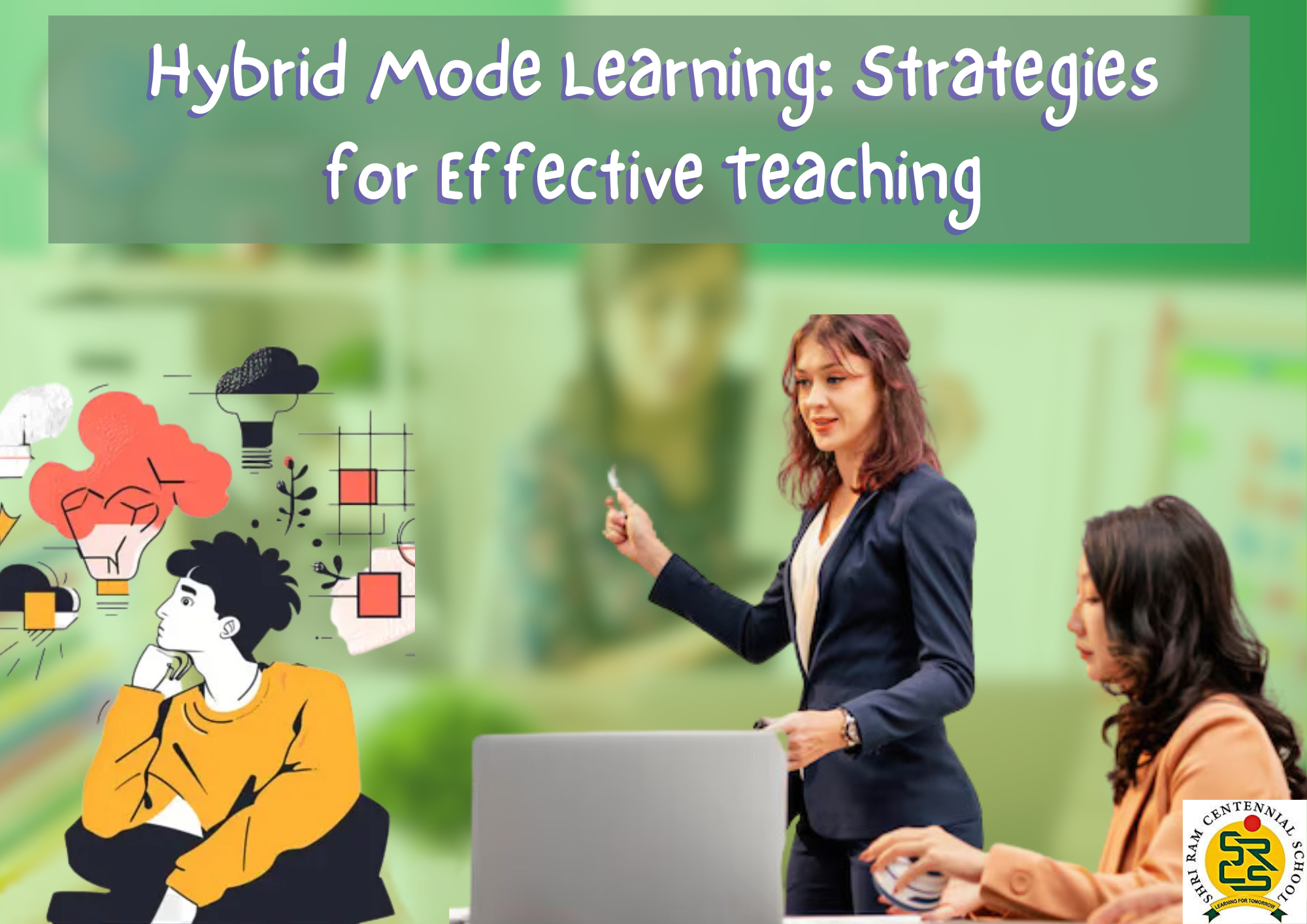
Hybrid Mode Learning has become one of the most important changes in modern education. It combines online learning with traditional classroom teaching, giving students the flexibility to learn both digitally and in person.
This innovative model offers students the flexibility to access educational content digitally while benefiting from face-to-face interaction in a traditional classroom setting.
Hybrid learning integrates technology into teaching, allowing students to learn at their own pace without compromising the value of personalized guidance from educators.
Particularly in boarding schools in Dehradun, this model is gaining traction for its ability to cater to diverse learning needs and provide a holistic education.
What Is Hybrid Mode Learning?
Hybrid Mode Learning is a teaching method that combines online education with classroom-based learning.
In this model, students learn through:
- Physical classroom sessions
- Live online classes
- Recorded video lectures
- Digital assignments
- Virtual group discussions
- Online assessments
This approach gives students more control over how and when they learn while still maintaining teacher support and classroom interaction.
Why Is Hybrid Mode Learning Important?
Hybrid learning is important because it creates a flexible and inclusive educational experience.
Students today need more than traditional classroom teaching. They also need digital skills, self-discipline, and the ability to learn independently.
Hybrid Mode Learning helps students:
- Learn at their own pace
- Access study materials anytime
- Improve technology skills
- Balance academics and extracurricular activities
- Continue learning during emergencies
- Build self-confidence and independence
It also allows teachers to use a wider range of teaching methods to improve student understanding.
Strategies for Effective Teaching in Hybrid Mode Learning

The success of Hybrid Mode Learning depends heavily on well-thought-out strategies that ensure an optimal balance between online and offline teaching methods. Here are some key strategies educators can employ to make hybrid learning effective for students:
1. Plan and Structure Lessons Effectively
A well-structured lesson plan is crucial for the seamless execution of hybrid classes. Teachers should define clear objectives for each session and decide which parts of the curriculum are better suited for online learning and which require in-person attention.
Using digital tools like interactive whiteboards, video conferencing platforms, and learning management systems can streamline the process.
For instance, many boarding schools in Dehradun are leveraging technology to deliver well-organized hybrid lessons that maintain a balance between academic rigor and engagement.
2.Foster Engagement Through Interactive Methods
Engagement is key to successful learning, particularly in a hybrid model. Teachers should incorporate interactive elements such as quizzes, polls, and breakout rooms in online sessions to keep students actively involved.
Similarly, in physical classrooms, activities like group discussions and hands-on experiments can make learning more impactful. Combining these methods ensures that students remain attentive and motivated throughout the learning process.
3. Use Technology to Enhance Learning
Leveraging the right technological tools is essential in Hybrid Mode Learning. Virtual reality (VR), augmented reality (AR), and gamified learning platforms can enrich the educational experience, making even the most complex concepts easier to grasp.
Platforms like Google Classroom and Zoom, coupled with collaborative tools like Padlet and Kahoot, enable teachers to create an engaging and interactive environment for their students.
4. Personalize the Learning Experience
One of the biggest advantages of hybrid learning is the ability to cater to individual learning styles. Teachers should utilize data from online assessments and participation to identify areas where students excel or need additional support.
Personalized feedback and one-on-one mentoring can help students achieve their full potential. Many boarding schools in Dehradun are adopting this approach to ensure that every student’s unique needs are met.
5. Ensure Seamless Communication

Effective communication is vital in a hybrid learning setup. Teachers should establish clear channels for communication, ensuring that students and parents are well-informed about schedules, assignments, and expectations.
Regular check-ins, virtual parent-teacher meetings, and collaborative platforms can bridge the gap between the online and offline components of learning.
6. Promote Self-Discipline and Time Management
Hybrid learning places significant responsibility on students to manage their time effectively. Educators should guide students in developing self-discipline and organizational skills.
By providing tools like digital planners and reminders, teachers can help students stay on track and complete their tasks on time. Encouraging accountability ensures that learners make the most of their hybrid education.
7. Create an Inclusive Learning Environment
Inclusivity is a cornerstone of Hybrid Mode Learning. Teachers must ensure that all students, regardless of their location or access to resources, can participate actively in hybrid classes.
Providing recorded sessions, accessible study materials, and additional support for students with learning challenges can create an equitable learning experience.
The Role of Parents in Supporting Hybrid Learning

Parents play a pivotal role in the success of Hybrid Mode Learning, particularly for younger students.
By creating a conducive learning environment at home, monitoring their child’s progress, and maintaining open communication with teachers, parents can significantly enhance the learning experience.
Many boarding schools in Dehradun are actively engaging parents through regular updates and feedback sessions to ensure a collaborative approach to education.
Key Benefits of Hybrid Mode Learning
| Benefit | Impact on Students |
|---|---|
| Flexibility | Allows students to learn at their own pace |
| Technology Skills | Improves digital literacy |
| Personalized Learning | Supports different learning styles |
| Better Engagement | Makes lessons more interactive |
| Continuity | Ensures learning during emergencies |
| Parent Involvement | Improves communication with schools |
| Self-Discipline | Encourages responsibility and time management |
Conclusion
Hybrid Mode Learning is not just a trend; it is the future of education. By combining the strengths of online and in-person teaching, this model offers unparalleled flexibility, inclusivity, and engagement.
Although there are challenges, the right teaching strategies, technology, and support systems can make hybrid learning highly effective. Boarding schools in Dehradun are already leading this change by using innovative teaching methods and digital tools to create a better learning experience. For students and parents alike, understanding and embracing Hybrid Mode Learning is essential in navigating the evolving educational landscape.
With the right strategies in place, this model not only ensures academic excellence but also equips learners with the skills they need to thrive in a rapidly changing world.
Frequently Asked Questions (FAQs)
1. What is Hybrid Mode Learning?
Hybrid Mode Learning is a teaching method that combines online learning with traditional classroom teaching.
2. What are the benefits of Hybrid Mode Learning?
Hybrid learning offers flexibility, better technology skills, personalized learning, and improved student engagement.
3. What are the challenges of Hybrid Mode Learning?
Common challenges include internet issues, lack of digital devices, technical problems, and difficulty maintaining attention online.
4. How can teachers make hybrid learning effective?
Teachers can improve hybrid learning by planning lessons well, using technology, encouraging interaction, and providing personalized support.