





Good nutrition supports both physical growth and brain development. Students need the right mix of proteins, carbohydrates, vitamins, minerals, and healthy fats to stay focused during classes and maintain their energy throughout the day. Many boarding schools in Dehradun prioritize balanced meal plans to promote students’ physical and mental growth.
In this blog, we will explain why healthy eating habits are important for students, the best foods to include in a balanced diet, and simple nutrition tips to build a healthy lifestyle.
Why Are Healthy Eating Habits Important for Students?
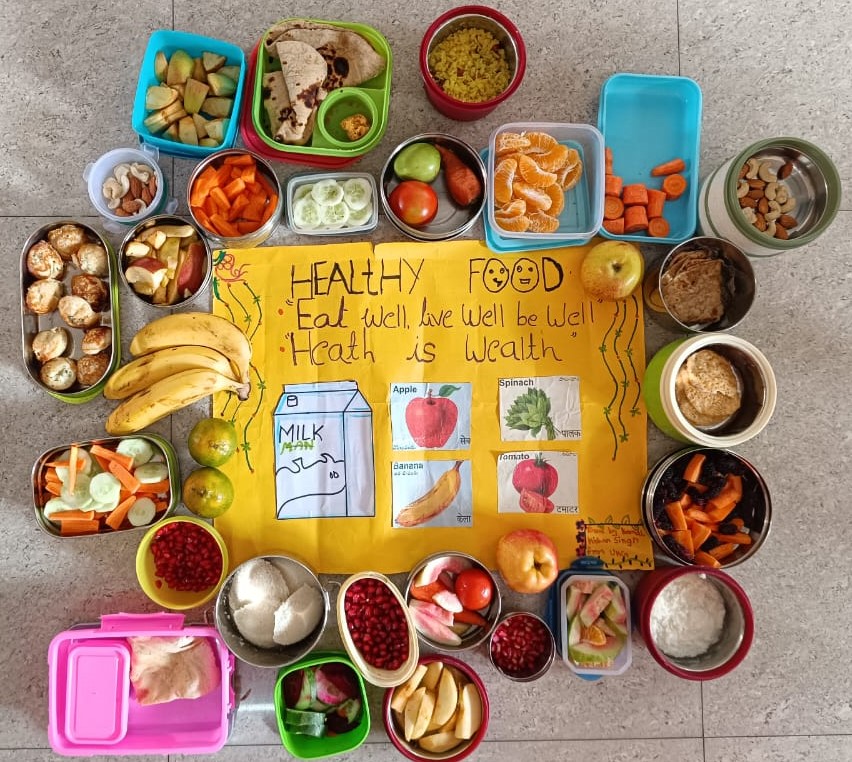
Healthy eating habits play a major role in a student’s academic and physical development.
Students who eat healthy foods can:
- Improve concentration and memory
- Stay energetic during school hours
- Perform better in exams
- Strengthen their immune system
- Support healthy growth and development
- Maintain a healthy body weight
- Reduce the risk of illness
Poor eating habits, on the other hand, can lead to tiredness, low concentration, weak immunity, and poor academic performance.
Essential Healthy Eating Habits for Students

1. Never Skip Breakfast
Breakfast is one of the most important meals of the day because it gives the body and brain the energy needed to start the day.
A healthy breakfast can include:
- Oats or whole grain cereal
- Eggs
- Milk or yogurt
- Fruits
- Whole wheat bread
- Nuts and seeds
Students who skip breakfast often feel tired, lose focus easily, and may struggle to perform well in school.
2. Drink Enough Water
Staying hydrated is important for brain function and overall health.
Students should:
- Drink 6 to 8 glasses of water daily
- Carry a water bottle to school
- Drink more water during sports and exercise
- Avoid sugary soft drinks and packaged juices
Proper hydration helps students stay active, focused, and alert during the day.
3. Eat a Balanced Diet
A balanced diet gives students all the nutrients they need for growth and energy.
A healthy meal should include:
- Proteins like eggs, fish, chicken, lentils, and beans
- Whole grains like brown rice, oats, and whole wheat bread
- Fruits and vegetables
- Healthy fats like nuts, seeds, and avocados
- Dairy products like milk, cheese, and yogurt
Eating different types of foods helps students get the vitamins and minerals needed for better health.
4. Choose Healthy Snacks
Healthy snacks can help students maintain their energy levels between meals.
Good snack options include:
- Fruits
- Nuts
- Yogurt
- Whole grain crackers
- Peanut butter sandwiches
- Roasted seeds
Students should avoid snacks such as:
- Chips
- Candy
- Sugary biscuits
- Soft drinks
- Packaged junk food
Healthy snacks provide long-lasting energy and prevent overeating.
5. Eat More Fruits and Vegetables
Fruits and vegetables are rich in vitamins, minerals, and fiber.
Students should try to eat at least five servings of fruits and vegetables every day.
Some healthy options include:
- Apples
- Bananas
- Oranges
- Carrots
- Spinach
- Tomatoes
- Cucumber
- Broccoli
Colorful fruits and vegetables help strengthen the immune system and improve digestion.
6. Limit Sugar and Junk Food
Eating too much sugar and junk food can affect both physical health and concentration.
Too much junk food can lead to:
- Weight gain
- Low energy
- Poor focus
- Mood swings
- Health problems later in life
Students should reduce the intake of:
- Fast food
- Chocolates
- Cakes
- Sugary drinks
- Fried snacks
Choosing homemade food more often is a healthier option.
7. Eat Meals on Time
Skipping meals can make students feel tired and less focused.
Students should eat:
- Breakfast in the morning
- Lunch during the day
- Healthy evening snacks
- Dinner at a proper time
Eating meals at regular intervals helps maintain energy levels and supports better digestion.
Best Foods for Brain Development and Concentration
Certain foods are especially useful for improving memory, focus, and brain health.
These include:
- Almonds
- Walnuts
- Eggs
- Fish
- Oats
- Dark chocolate
- Berries
- Green leafy vegetables
- Milk
- Yogurt
These foods can help students stay focused during studies and improve academic performance.
Common Unhealthy Eating Habits Students Should Avoid
Many students develop poor eating habits that can affect their health.
Common unhealthy habits include:
- Skipping breakfast
- Eating too much junk food
- Drinking soft drinks regularly
- Eating late at night
- Not drinking enough water
- Skipping fruits and vegetables
- Eating while watching television or using a phone
Avoiding these habits can improve both physical health and concentration.
How Schools Can Promote Healthy Eating

Schools play a major role in shaping students’ eating habits. At Shri Ram Centennial School Dehradun, efforts are made to:
✔ Provide balanced meals with fresh, wholesome ingredients.
✔ Educate students on nutrition and healthy food choices.
✔ Encourage an active lifestyle through sports and fitness programs.
✔ Create a positive eating environment with designated meal times.
By instilling healthy eating habits, schools help students develop lifelong wellness practices.
Conclusion
Developing healthy eating habits is crucial for students to maintain high energy levels, improve concentration, and support overall health. By eating nutritious foods, staying hydrated, and avoiding junk, students can perform their best academically and physically.
At Shri Ram Centennial School Dehradun, students are encouraged to adopt healthy eating habits and lead a balanced lifestyle. Good nutrition is the key to a successful academic journey and a healthier future.
Start making smart food choices today for a brighter and healthier tomorrow!
Frequently Asked Questions (FAQs)
1. Why are healthy eating habits important for students?
Healthy eating habits improve concentration, memory, energy levels, and overall physical growth.
2. What is the best breakfast for students?
A healthy breakfast can include eggs, oats, fruits, milk, yogurt, and whole grain bread.
3. How much water should students drink daily?
Students should drink around 6 to 8 glasses of water every day.
4. Which foods improve concentration in students?
Foods like almonds, walnuts, eggs, oats, berries, and green vegetables can improve concentration.
5. Why should students avoid junk food?
Junk food can cause tiredness, poor concentration, weight gain, and long-term health problems.