
The Quality of Education refers to the overall standard and effectiveness of educational programs, including the content being taught, the teaching methods, the resources available, and the level of student engagement. It encompasses everything from the learning environment to the outcomes students achieve.
Whether it’s a traditional classroom, online courses, or even Boarding Schools in Dehradun, the Quality of Education should ensure that students receive a comprehensive, well-rounded education. It goes beyond test scores, aiming to equip students with critical thinking skills, emotional intelligence, and a deep understanding of the subject matter.
As the education landscape has evolved, especially with the growing influence of technology, ensuring the Quality of Education in various learning settings, including remote learning environments, has become a top priority for educators, students, and parents alike.
The shift towards digital learning has made it essential for schools and educational institutions to adapt to new methods that still prioritize learning outcomes.
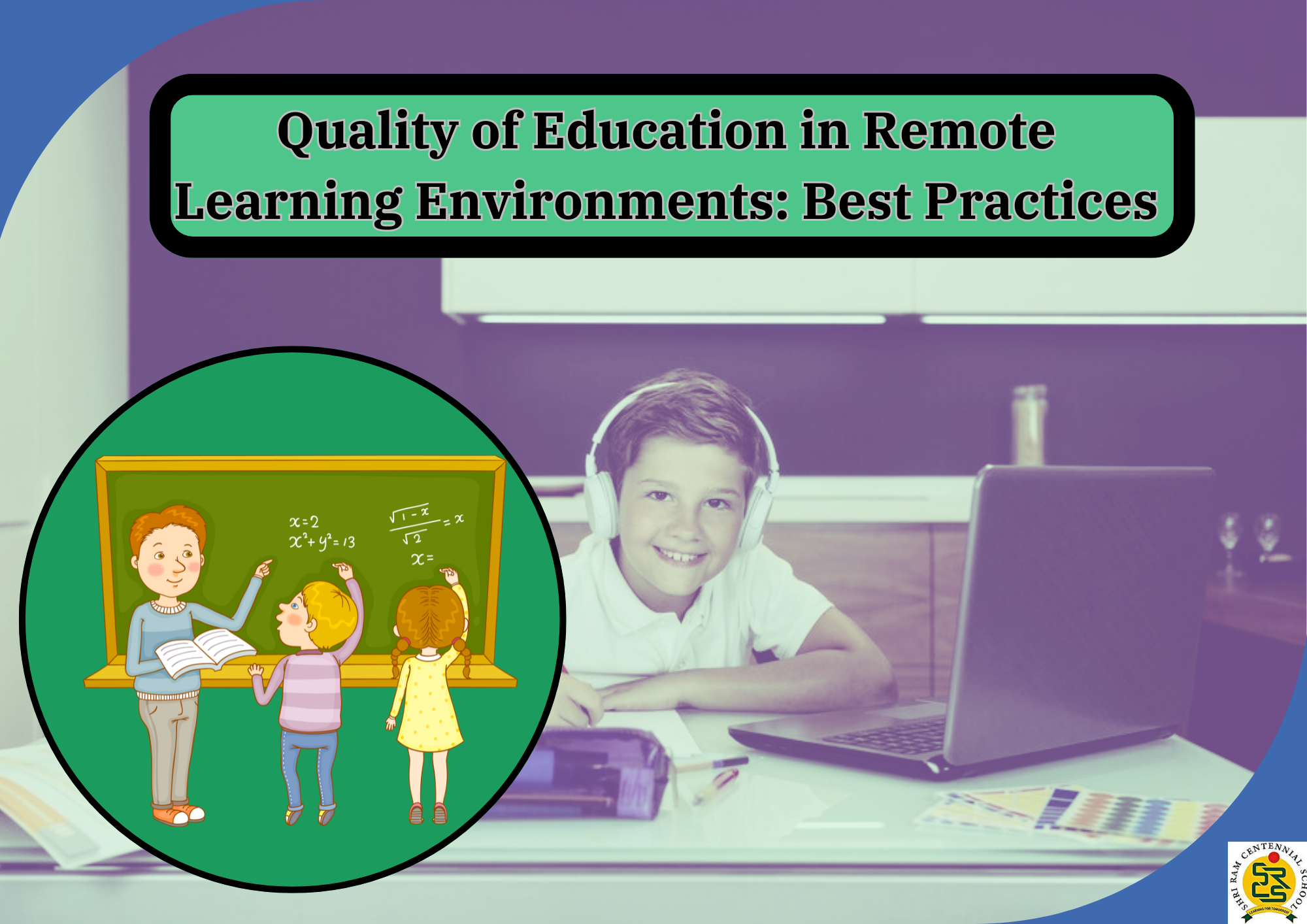
Quality of Education in Remote Learning Environments: Best Practices
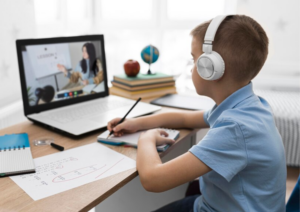
As the world transitions towards more digital and remote learning options, ensuring the Quality of Education in remote environments is becoming increasingly important.
In remote learning settings, students may face unique challenges like limited interaction with peers and teachers, distractions at home, and the need for self-discipline. However, with the right strategies in place, remote learning can offer students a flexible, personalized, and effective education experience.
To maintain the Quality of Education in remote learning, it’s crucial to implement best practices that cater to the specific needs of both students and educators. Here are some best practices that can ensure high-quality remote learning:
1. Interactive and Engaging Content
In a traditional classroom, students can directly interact with teachers and classmates, making learning more dynamic. In remote learning, ensuring Quality of Education means finding ways to keep students engaged.
One of the best practices is to use interactive content, such as live webinars, quizzes, and discussion forums. Incorporating multimedia such as videos, infographics, and podcasts also ensures that students remain engaged and absorb information more effectively.
2. Clear Communication Channels

In a remote learning environment, students need easy access to their teachers for clarification and support. Open communication is essential for maintaining the Quality of Education. Schools must set up efficient channels for communication, whether through email, live chat, or video conferencing.
Teachers should have regular office hours for one-on-one sessions, and students should be encouraged to ask questions freely. Clear and open communication leads to improved understanding and academic success.
3. Flexible Learning Schedules
Unlike traditional learning, remote learning offers more flexibility in terms of scheduling. To ensure the Quality of Education is maintained, schools should offer asynchronous learning options.
This allows students to study at their own pace while still receiving the necessary guidance and resources. Flexibility in remote learning is especially beneficial for students balancing academic work with personal responsibilities.
4. Personalized Learning Experiences
Every student learns differently, and remote learning platforms should cater to these individual needs. Adapting content and assessments based on each student’s learning style helps to maintain the Quality of Education. For example, some students may prefer visual learning, while others might excel in auditory or kinesthetic learning environments. Providing personalized learning paths ensures that all students have an equal opportunity to succeed.
5. Regular Assessments and Feedback
Assessing students’ progress in remote learning is crucial to maintaining the Quality of Education. Frequent assessments—whether through quizzes, assignments, or tests—help monitor progress and identify areas where students may need additional help. Moreover, timely and constructive feedback from teachers enables students to improve and stay on track.
6. Emphasizing Student Well-Being
While Quality of Education is important, the well-being of students should never be overlooked. Remote learning can lead to feelings of isolation, stress, and anxiety. It’s essential to create a supportive environment where students feel comfortable and motivated. Schools can host virtual wellness sessions, create peer support groups, and ensure that students have access to mental health resources.
7. Teacher Training and Professional Development
To ensure the Quality of Education remains high, teachers must be well-trained in using digital tools and online teaching strategies. Ongoing professional development is necessary to ensure teachers can effectively deliver lessons in a remote setting. With the proper training, teachers can adapt to new teaching methods, employ innovative technologies, and foster a positive learning experience for their students.
8. Technological Support and Infrastructure
The Quality of Education in remote environments heavily relies on technology. It’s crucial for educational institutions to have reliable tech infrastructure, such as a stable internet connection and user-friendly platforms. Schools should also provide technical support for students and teachers to resolve any tech-related issues quickly. Investing in proper digital tools is a key factor in ensuring students receive the best education, even when learning remotely.
Challenges in Maintaining Quality of Education in Remote Learning
While remote learning offers many benefits, schools may face challenges such as:
- Limited access to devices or internet connections
- Lack of student motivation
- Reduced face-to-face interaction
- Difficulty in maintaining classroom discipline
- Technical issues during online sessions
Recognizing these challenges helps schools develop better strategies to overcome them and improve learning outcomes.
Role of Parents in Supporting Remote Learning
Parents play a vital role in ensuring the success of remote learning. They can support students by creating a quiet study space, encouraging regular study routines, and monitoring academic progress.
Parents should also maintain communication with teachers and schools to stay informed about assignments, deadlines, and student performance.
When parents, teachers, and students work together, the quality of education improves significantly.
Conclusion
Maintaining the quality of education in remote learning environments is essential in today’s digital world. By using interactive content, clear communication, flexible schedules, personalized learning, regular feedback, and strong technology support, schools can create meaningful learning experiences for students.
Whether in online classes or schools in Dehradun, the goal should always be to provide students with an education that supports both academic growth and personal development.
Remote learning does not have to reduce educational standards. With the right strategies and commitment, it can become an effective, flexible, and valuable way for students to learn and succeed.
Frequently Asked Questions (FAQs)
1. What is the quality of education?
The quality of education refers to the effectiveness of teaching methods, learning resources, student engagement, and academic outcomes.
2. Why is quality education important in remote learning?
Quality education ensures that students continue learning effectively, stay engaged, and achieve academic success even in online environments.
3. How can schools improve remote learning quality?
Schools can improve remote learning by using interactive content, clear communication, personalized learning, and regular assessments.
4. What are the biggest challenges in remote education?
Some common challenges include internet issues, lack of motivation, reduced interaction, and digital distractions.
5. How do parents support remote learning?
Parents can help by creating a positive study environment, encouraging routines, and staying involved in their child’s education.